
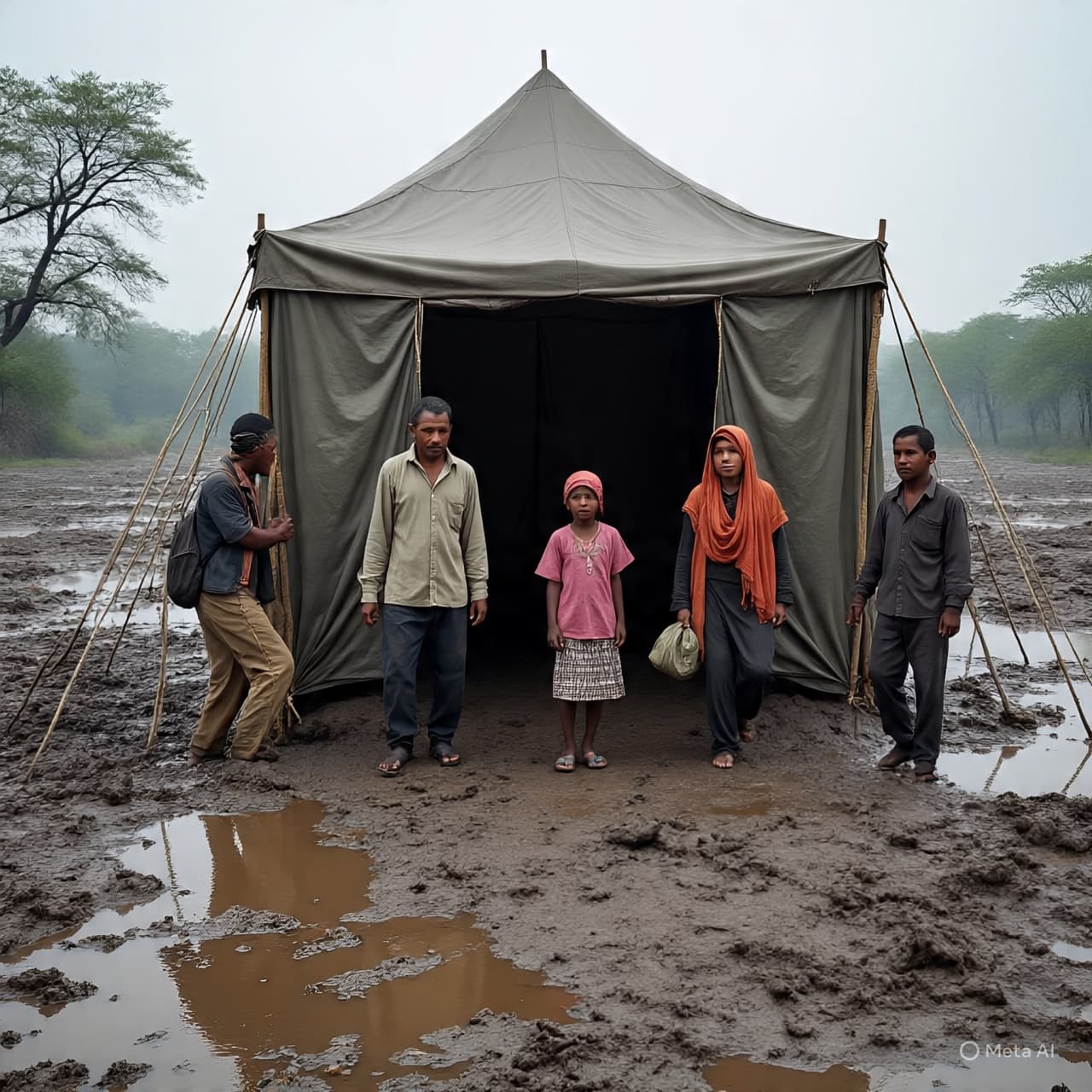
In the dim light of early morning, the land — once familiar and safe — lies transformed. Villages half-submerged, roads erased, rivers turned from life-giving streams into destructive torrents. On Sumatra, the deluge has not only reshaped landscapes: it’s turned communities into waiting rooms of fear and sorrow. Amid this devastation, the search for hundreds of missing people has become a grim vigil for the living.
Authorities now place the estimated death toll at over 440. Yet death is only one thread in the tapestry of loss: hundreds more remain unaccounted for. In West Sumatra’s ravaged districts, and across hard-hit regions such as North Sumatra and Aceh, families wait as rescue teams comb through mud, collapsed homes, broken roads, and submerged villages.
The response effort is massive in scale and heart — drones fitted with thermal imaging scan the ground at night, attempting to detect life beneath debris; ships and boats ply waters that were once roads; helicopters deliver aid to isolated zones inaccessible by land. Government officials, disaster-relief agencies, police, military, and volunteers work day and night.
For the survivors, the immediate crisis is only the beginning. Thousands are displaced, sheltering in temporary camps. Essential supplies — food, clean water, medicine — are scarce. Some, driven by desperation, have reportedly resorted to looting just to survive. The emotional toll — trauma, loss of home, uncertainty — weighs heavily on communities already reeling from shock.
Beyond the human tragedy, the disaster exposes deeper vulnerabilities: in infrastructure unprepared for extreme weather, in communication networks that collapsed under pressure, in remote communities made nearly unreachable once the rains came. As rescuers crawl through mud and waterways, the catastrophe asks not only where people went — but how to prevent such ruin when the skies open again.
Yet even in despair there are glimmers of solidarity: neighbours helping neighbours, first responders renewing their resolve, and a nation’s collective breath held — in hope that those still unaccounted for might yet be found, alive. The roads may be gone, but the human bonds remain.
For now, the search continues. As more remote areas come within reach, as more debris is cleared, the tally may shift — upward. But whatever the numbers, each name matters. Each life lost or found is a reminder of the fragile balance between calm and calamity, between seasons of plenty and the sudden sweep of disaster.
Whether this tragedy marks a turning point — in disaster preparedness, in environmental stewardship, in community resilience — depends not only on how many are recovered, but how deeply we learn from what’s been lost.
AI image disclaimer Visuals are created with AI tools and intended only for representation, not actual photographs.
Sources The Guardian, Al Jazeera, ANTARA News, Reuters, The Times of India
Published by Banx Network. This article is part of the Banx decentralized media programme, powered by the BXE token on the XRP Ledger.

.jpg&w=3840&q=75 "Man Tapes Ears to His Head in Bizarre Attempt to Enter Poland With False Passport")