Key Highlights
- Tasmania's Invasive Species Action Plan aims to unify management efforts.
- The plan acknowledges significant economic costs from invasive species.
- Concerns arise over funding cuts and lack of measurable targets.
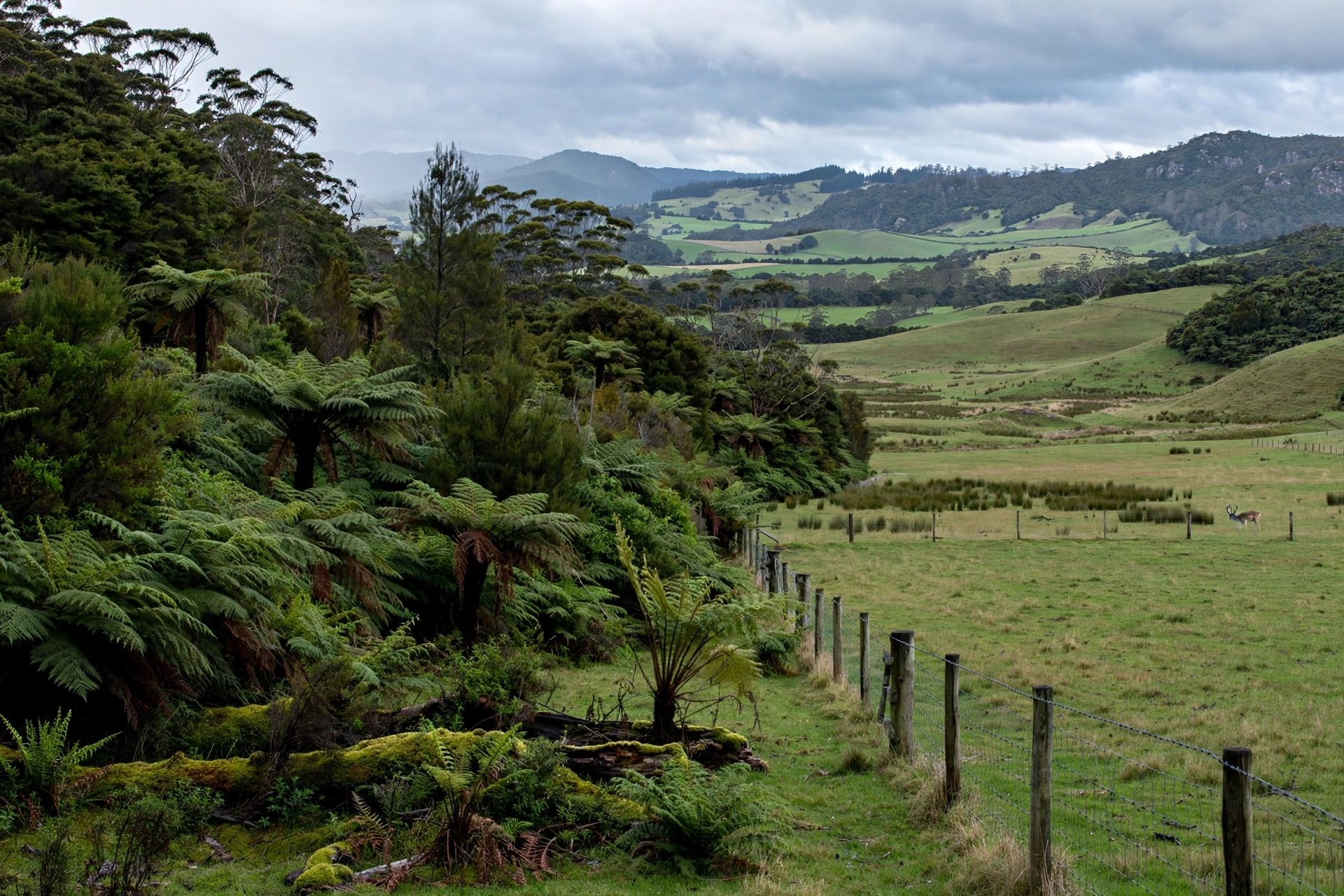
Tasmania, known for its pristine environment, has recently taken a significant step in addressing ecological threats with the release of its first Invasive Species Action Plan. This comprehensive document aims to consolidate the management of invasive animals, plants, and aquatic pests under a unified framework. The plan recognizes that invasive species, such as feral deer and various weeds, do not adhere to administrative boundaries, posing a threat to both the environment and the economy.
The economic implications of invasive species are staggering, costing Tasmanians hundreds of millions of dollars each year. This figure encompasses agricultural losses and the gradual degradation of natural ecosystems, which often go unquantified in monetary terms. The Invasive Species Council has welcomed the plan, viewing it as a crucial acknowledgment of the challenges posed by invasive species. However, they have also highlighted significant vulnerabilities within the plan that warrant attention.
One of the primary concerns is the absence of measurable targets and a commitment to public reporting on progress. This lack of accountability raises questions about the plan's effectiveness in practice. Additionally, recent budget papers reveal a troubling trend: biosecurity funding is projected to decrease from $40.9 million in 2024–25 to $27.6 million by 2029–30. This reduction has been characterized by the Council as a step backward in the fight against invasive species, suggesting that a framework without adequate resources may ultimately be ineffective.
The urgency of the situation is underscored by the ongoing threats posed by diseases like bird flu and the proliferation of feral deer, which do not wait for funding cycles to align with policy ambitions. The loss of key personnel, including specialists at the Tasmanian Herbarium and those leading feral deer control efforts in World Heritage Areas, further exacerbates the issue. In biosecurity, proactive measures are always more cost-effective than reactive ones, and delaying investment can lead to exponentially higher costs in the future.
The political landscape surrounding biosecurity is complex. Governments often struggle to promote preventive measures because their successes are largely invisible. The plan outlines allocations for pest control programs and additional funding for deer management, which are positive steps. However, these measures exist within a broader context of budget contraction, raising concerns about the disconnect between the commitment to stronger border protections and the simultaneous reduction in necessary resources.
Minister for Primary Industries and Water Gavin Pearce has characterized the plan as establishing clear frameworks and principles, emphasizing prevention and early detection. While this description aligns with the goals of effective biosecurity management, the critical question remains: will the framework be supported by sustained investment and accountability? The Invasive Species Council argues that these elements are essential for safeguarding Tasmania's unique wildlife. On an island, the delicate balance between vigilance and loss hinges on addressing this very gap.
In conclusion, Tasmania's Invasive Species Action Plan represents a significant step forward in addressing ecological threats. However, without adequate funding and measurable targets, its effectiveness remains in question. The ongoing challenges posed by invasive species necessitate a robust and well-resourced response to protect Tasmania's unique environment.
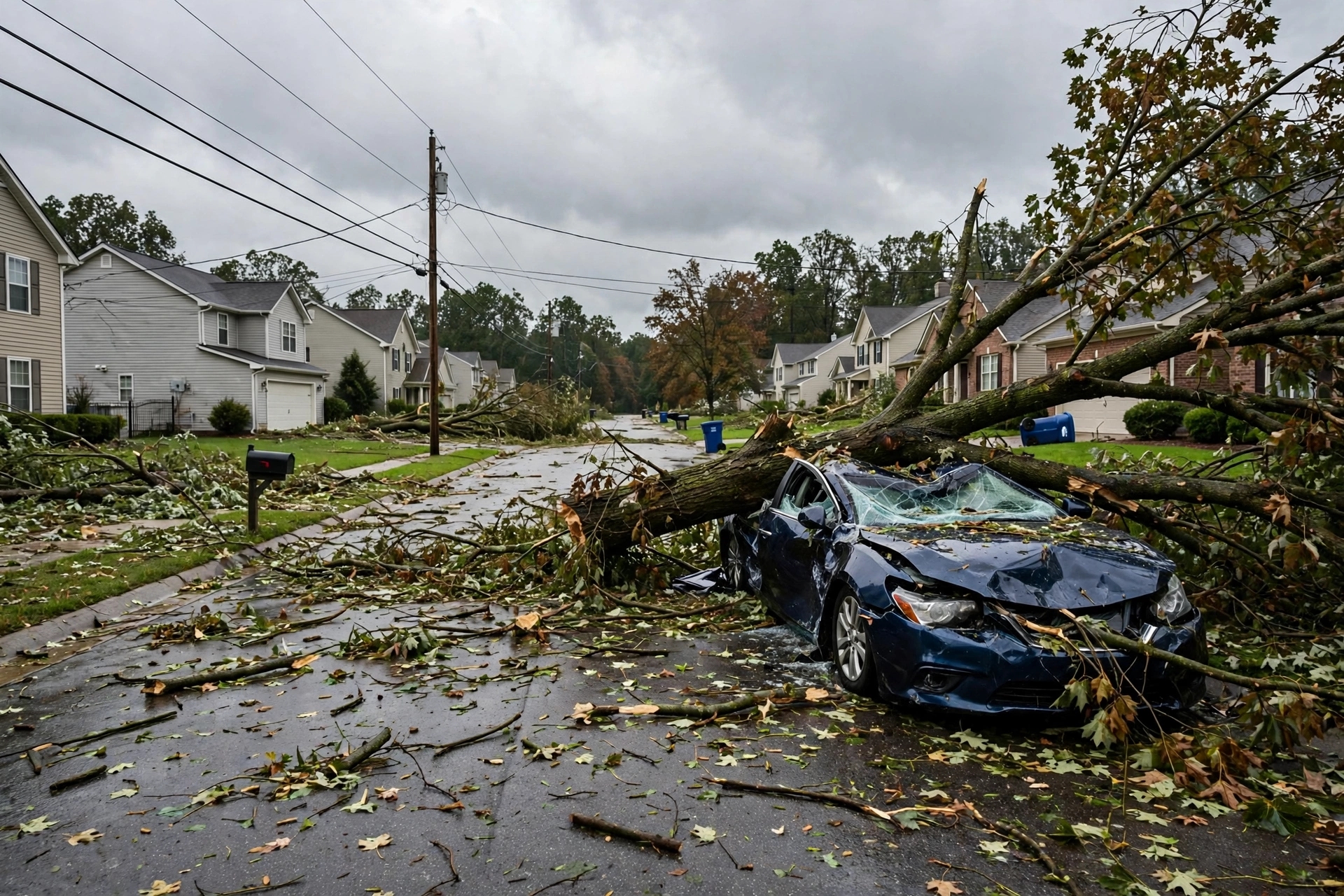
AI Image Disclaimer: The visual elements accompanying this article are AI-generated illustrations, not documentary photographs.
Published by Banx Network. This article is part of the Banx decentralized media programme, powered by the BXE token on the XRP Ledger.