
At the edge of the Persian Gulf, where wavering light meets water and wind, a passage once humbly marked on nautical charts became, for a few hours, the quiet focus of a world on edge. Fishermen tending nets near Hormuz watched distant drills ripple through the blue morning haze, an echo of something both ancient and urgent: the lived reality of geography meeting geopolitics.
The Strait of Hormuz, that slender ribbon of sea linking the Gulf waters to the Arabian Sea, is no stranger to global imagination. Through it flows nearly one‑fifth of the world’s seaborne oil, a silent artery for energy that stirs markets and policy alike. Yet on Tuesday, it was not the gentle sweep of tankers or tugs that defined the day, but the thrum and flash of live‑fire exercises, announced by Tehran as its delegation began another round of indirect nuclear negotiations with the United States.
Iran’s state media spoke of the move in measured phrases: a temporary closure, a matter of “safety and maritime concerns” while its Revolutionary Guard held drills firing missiles toward the waters commonly tread by merchant fleets. It was a rare public declaration, the first of its kind in decades, that parts of that strategic strait would be closed for hours under the banner of military readiness.
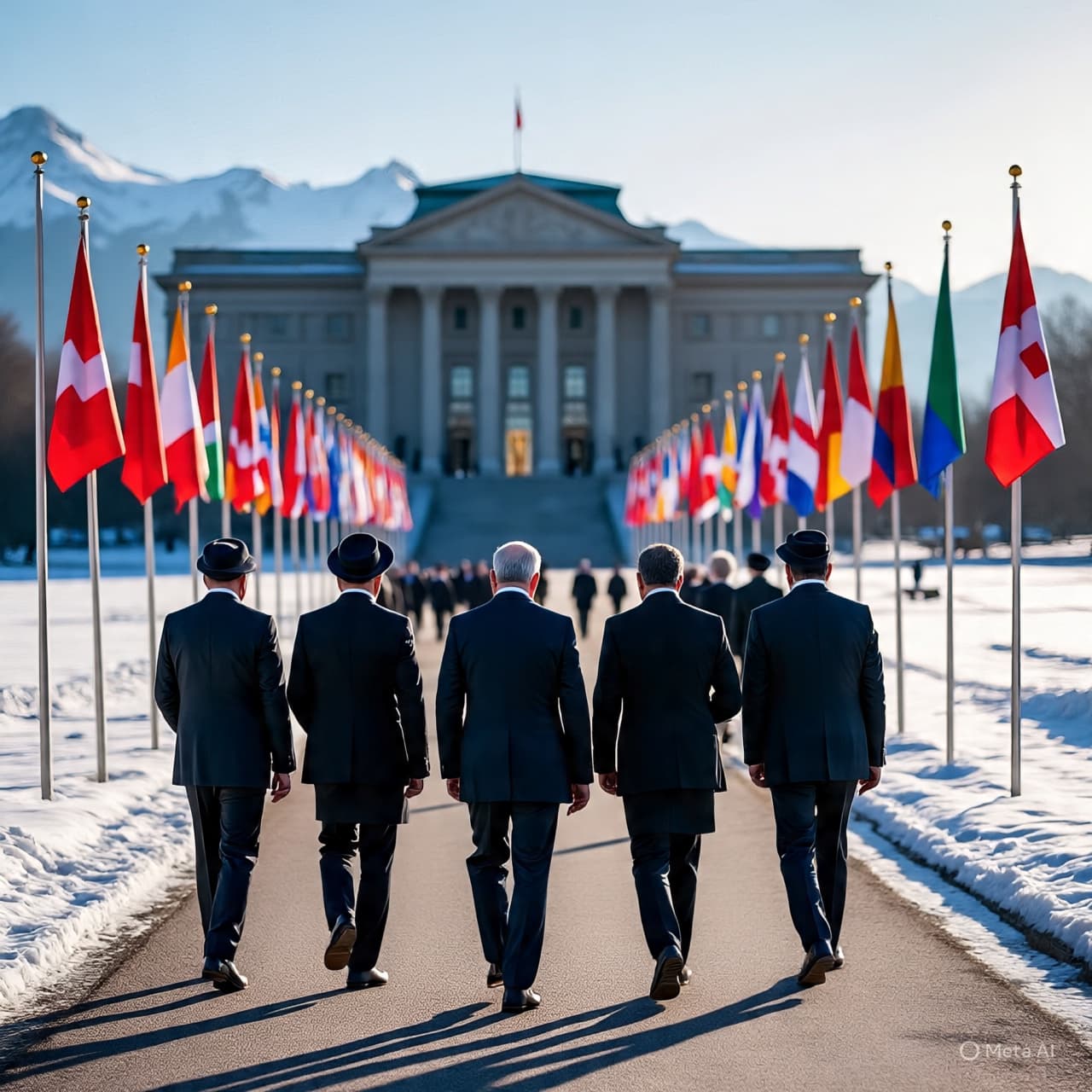
But the rhythm of the announcement carried with it the cadence of broader currents. In Geneva, negotiators from Tehran and Washington sat once more, seeking common ground on a nuclear program long at the center of contention. Though neither side claimed a breakthrough, there was talk of agreed “guiding principles” — a phrase earnest in intent though muted in specificity. The juxtaposition was distinct: dialogue in cold halls, and loud drills upon open waters.
On both sides of the diplomatic table, words and gestures bore weight. Iran’s top cleric spoke in tones that blended rhetoric with resolve, suggesting that even the mightiest army might find itself humbled by forces it underestimates. Meanwhile, the Iranian foreign minister, after the Geneva talks, spoke of a “new window” in the quest for a durable accord — a contrast of language that reflected the uneasy tempo of the times.
The closing of such a critical strait is more than a moment on a map. It is a reminder of how geography and politics intertwine, how narrow waters can widen the distance between futures imagined and futures realized. Traders watch oil prices dip and rise like distant tides responding to unseen moons; diplomats navigate a different tide of language and concession; sailors chart courses around temporary restrictions, mindful of the expanse yet attentive to the immediate horizon.
And as the sun dipped toward evening, the drills concluded and the waters resumed their traffic. Yet beyond the bustle of departing vessels lay the quiet impression of the day’s dual narrative: that of forces converging towards negotiation even as displays of strength reminded all that beneath fragile agreements lies a deeper web of anxieties.
In this landscape, conversation and caution walk together across shorelines at once hospitable and fraught. And the Strait of Hormuz, in its slender reach, remains a place where the motions of diplomacy, deterrence, and daily life merge — a passage of waters that reflects, perhaps better than most, the shifting tides of a restless world.
AI Image Disclaimer Visuals are AI‑generated and serve as conceptual representations.
Sources Associated Press Reuters Financial Express Euronews PBS NewsHour
نُشر بواسطة Banx Network. هذا المقال جزء من برنامج الوسائط اللامركزية من Banx، مدعومًا برمز BXE على شبكة XRP Ledger.


