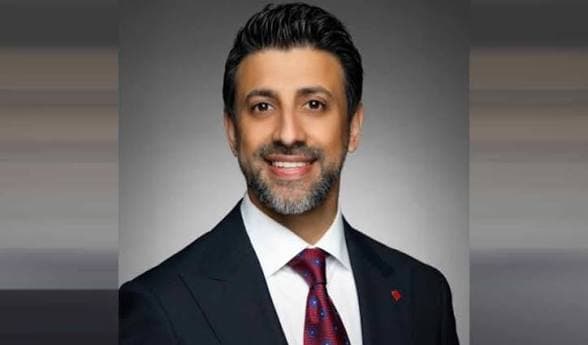
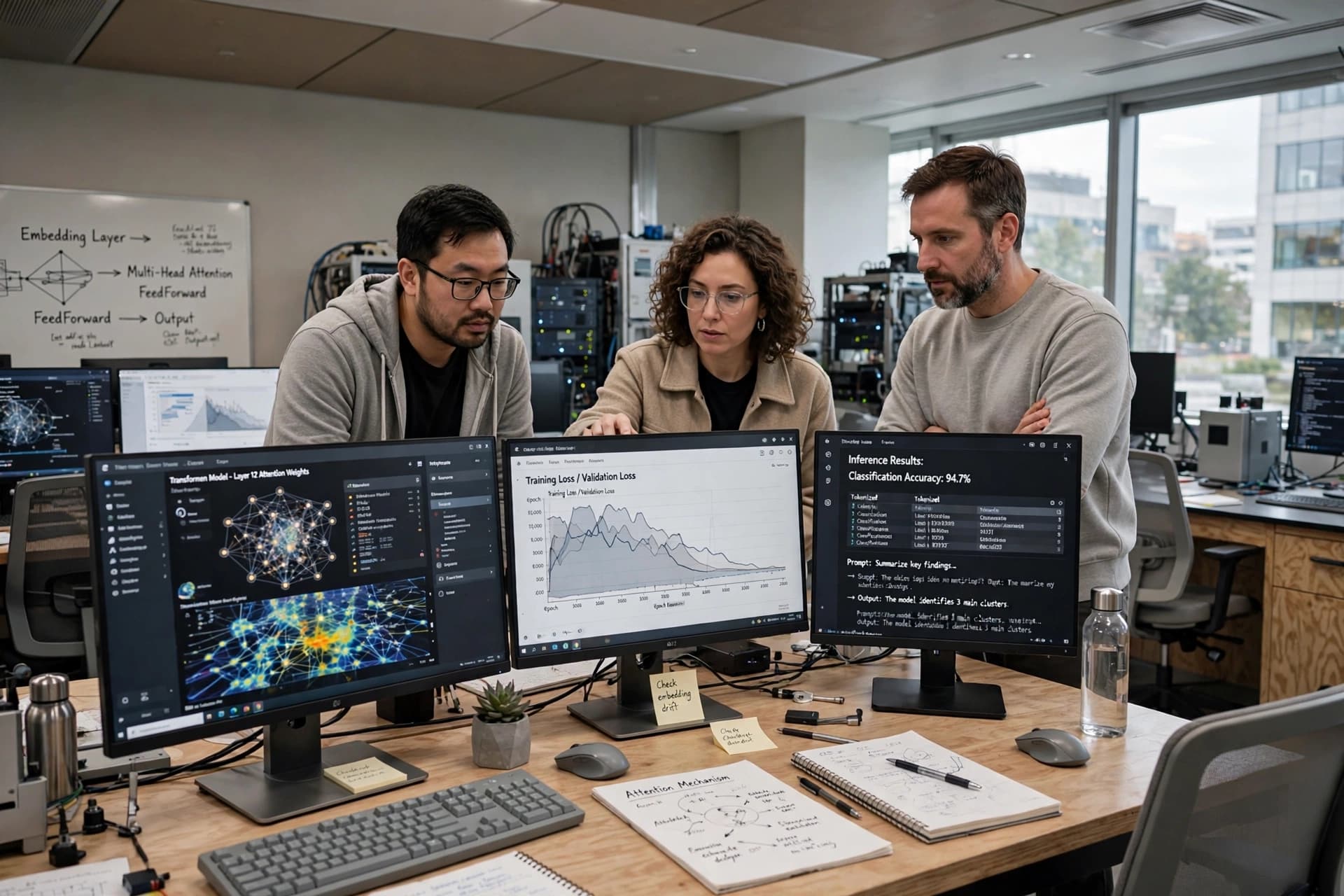
In the quiet hum of a laboratory, machines move with a precision that feels almost organic. Sensors flicker, joints articulate, and rows of prototype robots perform rehearsed motions under the soft glow of fluorescent lights. Yet even in this world of calculated motions, the human element remains unpredictable. Last week, OpenAI’s head of robotics hardware chose to step away, a decision that resonates far beyond the lab’s metallic walls.
The resignation follows a landmark collaboration between the company and the U.S. Department of Defense, a partnership that has prompted reflection about the boundaries between innovation, responsibility, and national interest. Those familiar with the decision describe it as a mixture of personal principles and professional considerations, a moment where individual vision meets institutional priorities. Leadership changes in high-tech ventures often ripple quietly at first, but in a field as delicate and influential as robotics, the implications are broader than a simple personnel shift.
OpenAI has, over recent years, been at the forefront of artificial intelligence research and its application to physical systems. Its robotics program blends complex algorithms with tangible hardware, exploring autonomy, dexterity, and learning. The collaboration with the Department of Defense introduced both new resources and new ethical questions. For engineers and executives alike, navigating these waters is as much about philosophical alignment as technical execution.
Within the corridors of OpenAI, conversations have taken on a reflective tone. Teams recalibrate priorities, balancing the excitement of accelerated funding and access to unique operational environments with the nuances of mission alignment and moral compass. Industry observers note that leadership transitions at this stage of technological development often mark inflection points, moments where direction, culture, and external partnerships converge to shape future trajectories.
For those following the broader arc of AI and robotics, this departure underscores the human dimension in a landscape dominated by code and hardware. The choices made by individuals at the helm influence not only research paths but also public perception, investor confidence, and ethical frameworks. In the coming months, OpenAI’s robotics team will continue its work, yet the absence of its former leader will be felt as both a personal void and a signal of the complex interface between innovation and accountability.
In the quiet rhythm of labs and conference rooms, the story is not merely about resignation, but about the ongoing dialogue between progress and principle, between invention and oversight. As the company adjusts to its new leadership, the broader robotics community watches, aware that the decisions of today ripple into the capabilities and responsibilities of tomorrow.
AI Image Disclaimer Illustrations were created using AI tools and are not real photographs.
Sources Associated Press Reuters Bloomberg TechCrunch The Verge
Published by Banx Network. This article is part of the Banx decentralized media programme, powered by the BXE token on the XRP Ledger.