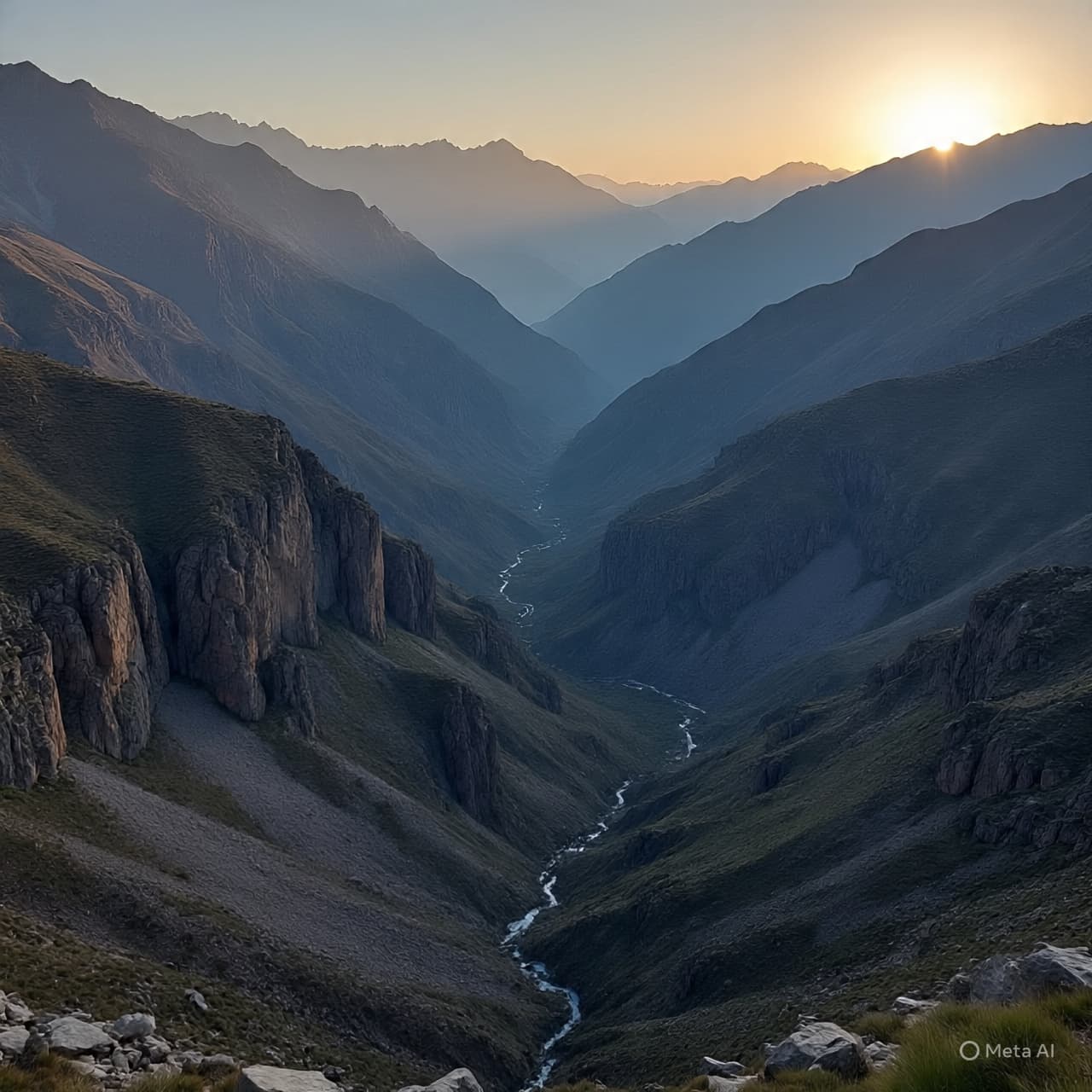
In the highlands where the sun first brushes the rugged ridges that crisscross the Pakistan–Afghanistan frontier, morning light often comes quietly, as if reluctant to disturb a land long accustomed to both stillness and strain. Yet on a recent night, that tranquility was broken by the distant roar of engines and the flash of fire across the horizon — a reminder how even the quietest corners of the world can be swept up in forces beyond their control.
From Islamabad came a clear and determined message: the Pakistani military had carried out airstrikes along the shared border, targeting what its leaders described as militant hideouts believed to be linked to groups that had recently struck within Pakistan itself. In a statement delivered with the measured cadence of official address, authorities said at least 70 militants were killed in the operations, with state media later suggesting the toll might have reached 80.
For generations, these borderlands have been threaded with paths walked by shepherds, traders, and families whose lives turn not on lines drawn on maps, but on seasonal changes and shared histories. But in recent months and years, those paths have been shadowed by a different kind of passage — militants, security forces, accusations, and counter-accusations that ripple across valleys and villages alike.
Pakistan’s officials framed the strikes as a necessary response to a wave of militant violence, including deadly suicide attacks on its own soil that have claimed the lives of soldiers and civilians. By their account, these campaigns were intended to protect the lives and property of Pakistani citizens, seeking out camps and hideouts used by insurgent groups.
Across the border, however, the view was less sanguine. Afghan authorities — under the Taliban administration — condemned the strikes as violations of sovereignty and reported that civilian homes, a religious seminary, and other non-combatant structures had been struck, leaving at least 18 people, including women and children, dead and others wounded.
Villagers in parts of Nangarhar and Paktika provinces spoke in muted tones of loss and disbelief as they gathered around shattered walls and collapsed roofs, digging through rubble with shovels and heavy equipment in the fading light. Their voices, soft yet steady, carried the weight of stories too often repeated in this region where the line between domestic life and geopolitical conflict is perilously thin.
In Kabul, officials summoned Pakistan’s ambassador, delivering a formal protest and warning of a “calculated response” at a time they deemed appropriate, affirming what they called their duty to protect their land and people.
While Islamabad insists its operations were “intelligence-based” and targeted at militant leadership, the broader backdrop remains one of distrust, punctuated by previous clashes, interrupted ceasefires, and repeated efforts at mediation. The fragile truce that once held promise now feels like a distant echo to neighbors who see each dawn with both hope and caution.
In places where children once played in open courtyards and families tended flocks amid the whisper of wind through tall grass, the aftertaste of conflict lingers, reminding observers that peace is not merely the absence of violence, but the presence of understanding and trust — elements still scarce along these ancient borders.
AI Image Disclaimer (Rotated Wording) “Visuals are created with AI tools and are not real photographs.”
Sources Associated Press (AP News); Reuters; Al Jazeera; Arab News (AFP); Geo TV.
نُشر بواسطة Banx Network. هذا المقال جزء من برنامج الوسائط اللامركزية من Banx، مدعومًا برمز BXE على شبكة XRP Ledger.