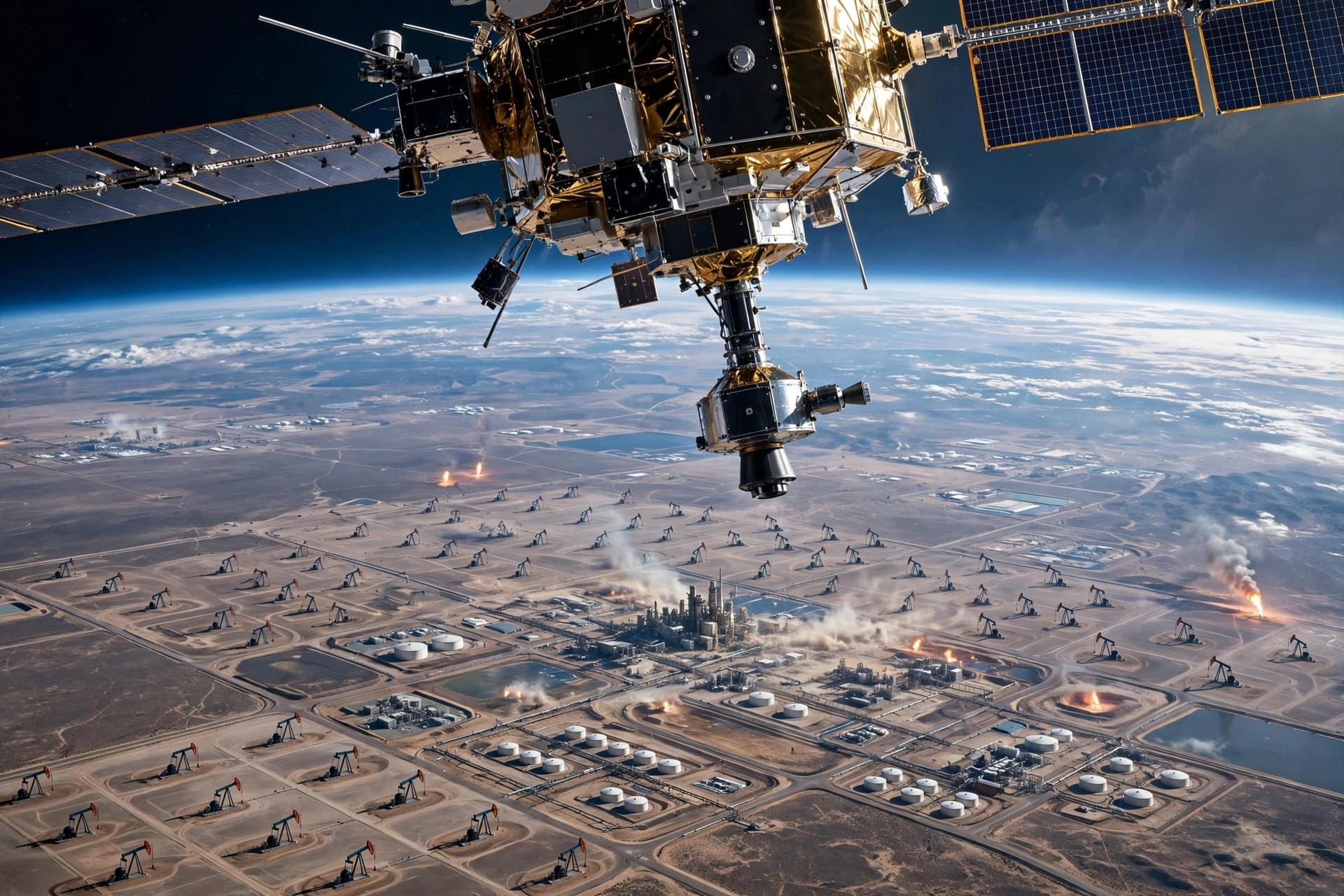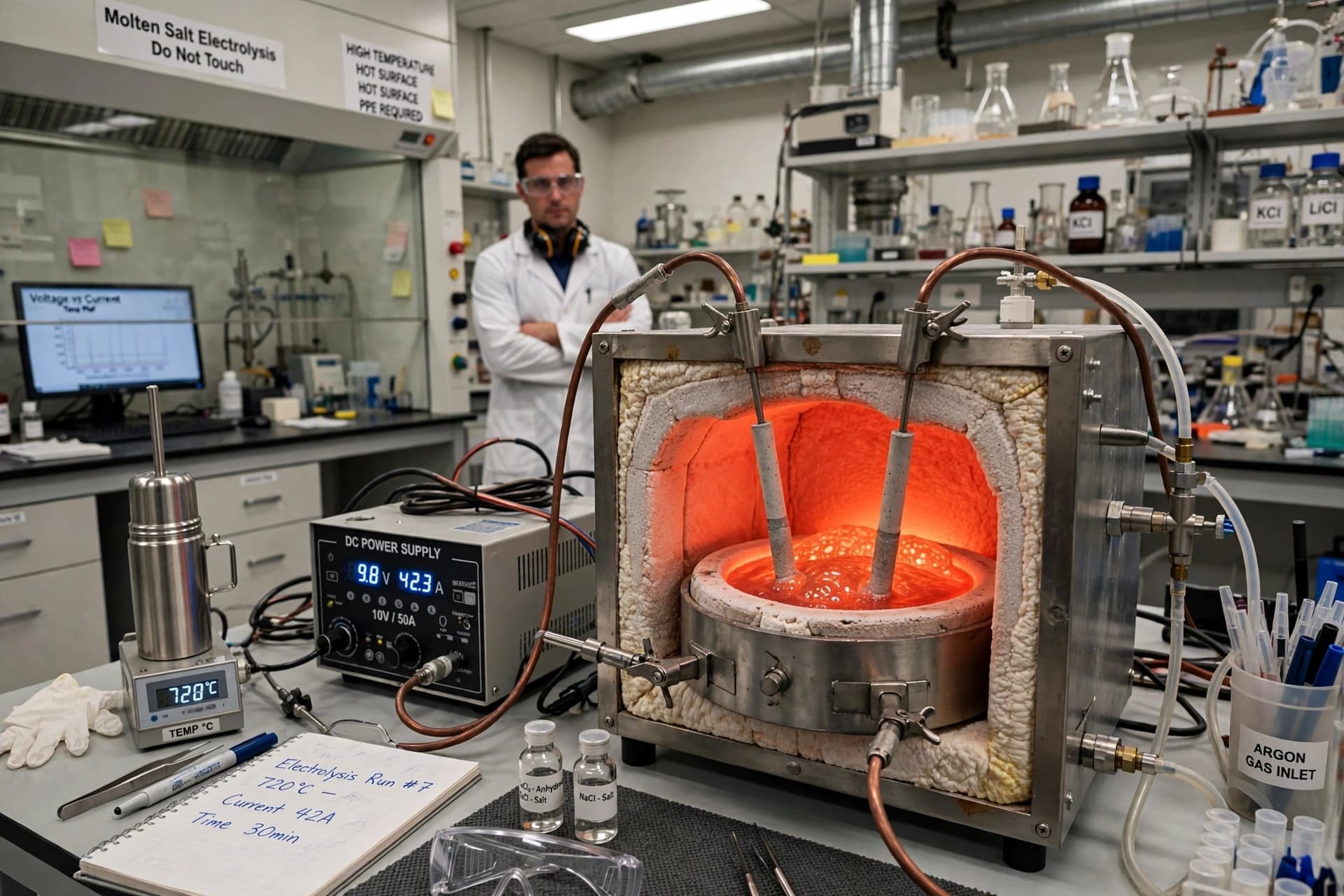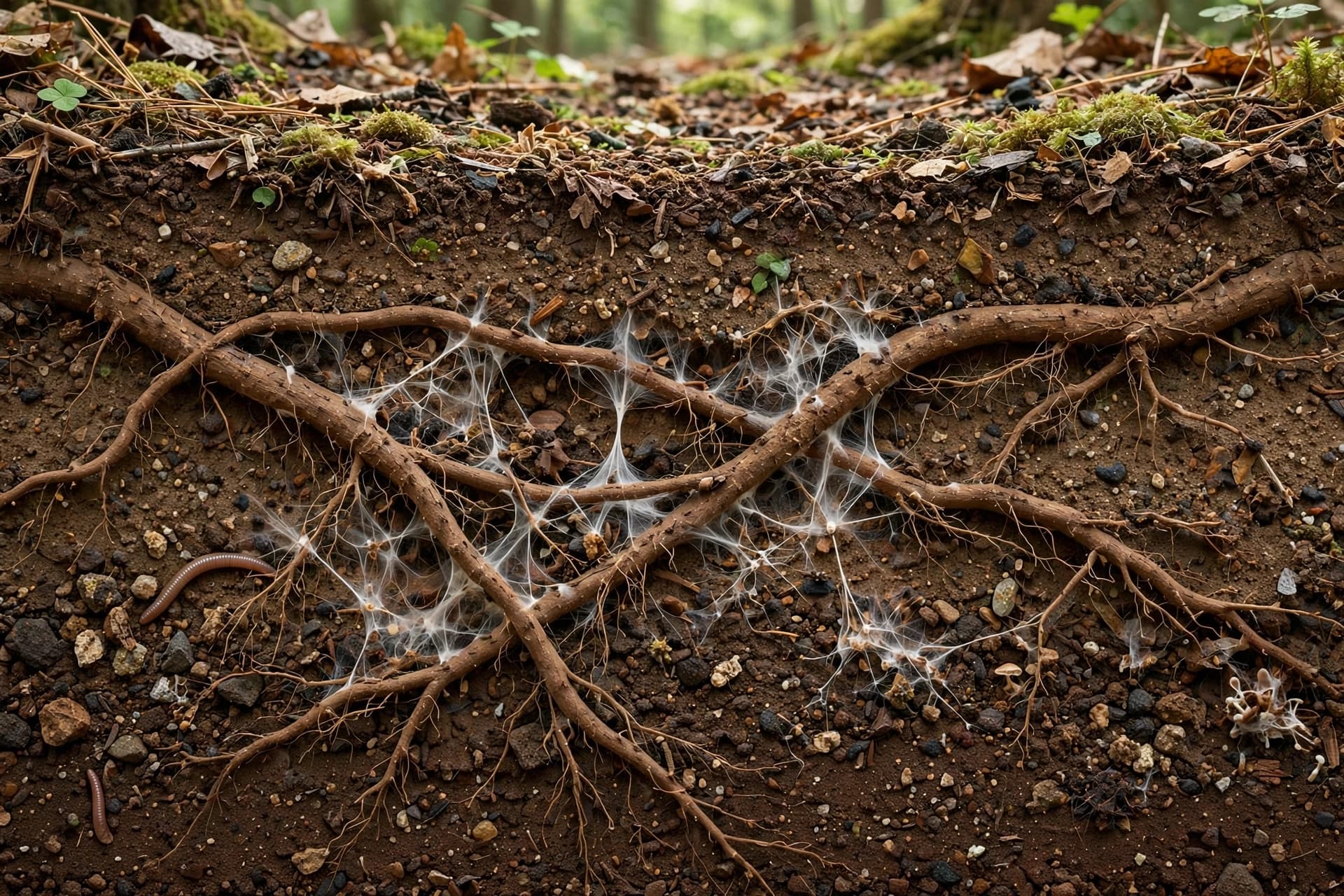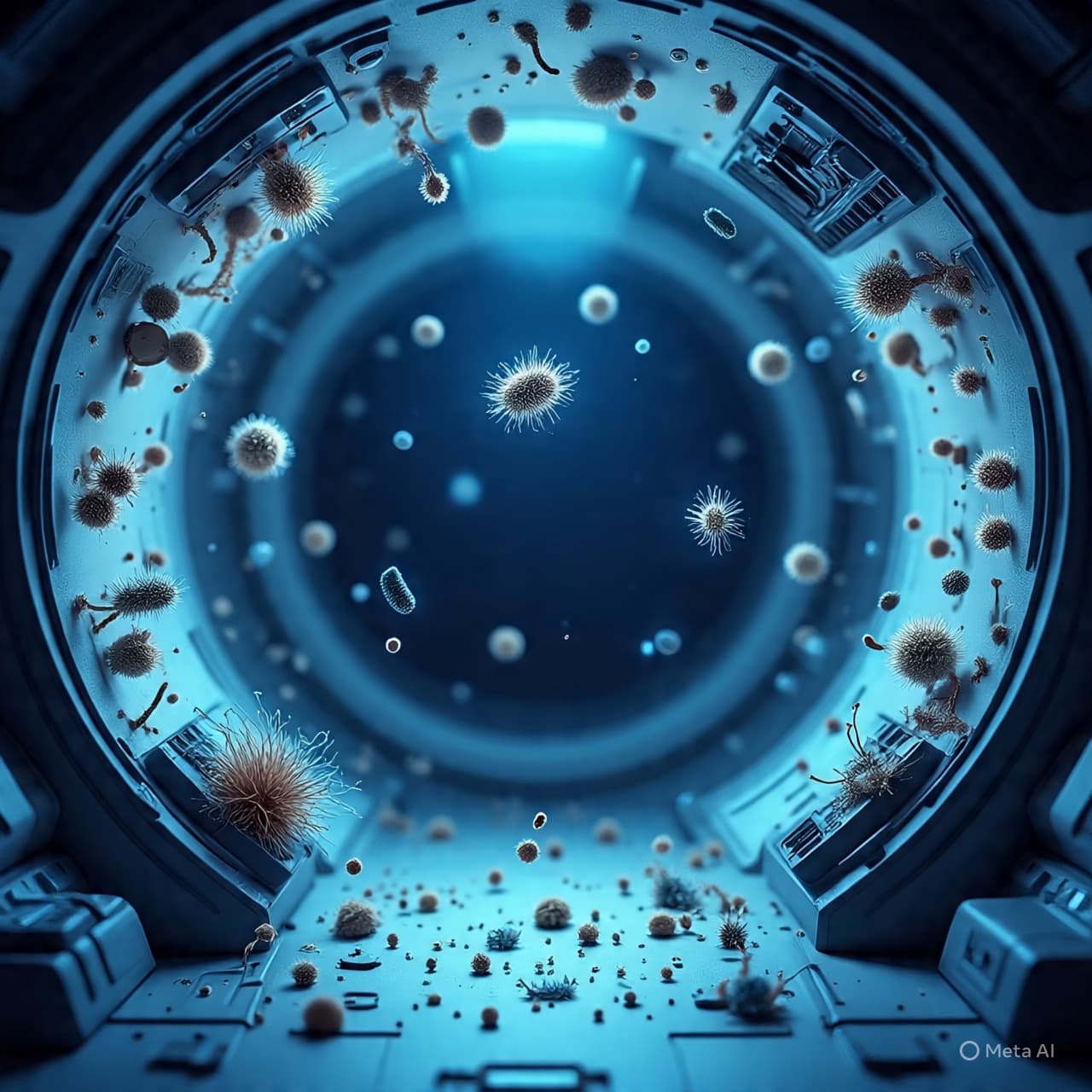
High above Earth, where gravity loosens its familiar grip and metal surfaces hum with recycled air, life persists in unlikely forms. The International Space Station, often imagined as a realm of polished alloys and precision engineering, has quietly become a habitat not only for astronauts, but for microorganisms. In this orbiting laboratory, even fungi find a way to grow — and, as it turns out, to work.
Recent studies have shown that certain fungi aboard the demonstrate an unexpected ability: extracting metals from surrounding materials. The findings, supported by research linked to and collaborating scientists, suggest that microgravity may influence how these organisms interact with minerals and metallic compounds.
On Earth, fungi are already known for their biochemical versatility. Some species can leach metals from rocks in a process called bioleaching, a method sometimes used in mining to recover valuable elements. In space, however, the environment is markedly different. Microgravity alters fluid behavior, nutrient distribution, and cellular growth patterns. What emerges in orbit is not simply a repeat of terrestrial biology, but a subtle variation shaped by weightlessness.
Researchers observed that fungi cultivated on the station were able to mobilize and extract trace metals from substrates in ways that surprised scientists. The process involves organic acids and enzymes produced by the fungi, which interact chemically with mineral surfaces. While the phenomenon is not entirely new in principle, the efficiency and adaptability demonstrated in space have drawn particular attention.
The implications are both scientific and practical. In long-duration missions, such as those envisioned for lunar bases or journeys to Mars, the ability to harness biological systems for resource extraction could prove valuable. Instead of transporting every material from Earth, astronauts might one day rely on microorganisms to help process local resources. Fungi capable of extracting metals could assist in recycling spacecraft materials or processing extraterrestrial regolith.
At the same time, the research carries environmental considerations for the station itself. Microbial growth in closed habitats requires careful monitoring. Understanding how fungi behave in orbit — including their interactions with structural materials — is essential to maintaining spacecraft integrity. What appears promising for bio-mining applications must also be evaluated in terms of containment and long-term safety.
The study also contributes to a broader understanding of how life adapts beyond Earth. Microgravity does not simply suspend bodies in space; it reshapes biological processes at microscopic levels. By observing fungi in orbit, scientists gain insight into cellular resilience, metabolic flexibility, and the potential for biotechnology in off-world environments.
There is a quiet poetry in the notion that humble fungi — organisms often associated with forest floors and damp soil — are now participating in humanity’s exploration of space. They remind us that innovation does not always arrive in gleaming metal; sometimes it grows softly, filament by filament, adapting where it is placed.
In straightforward terms, scientists report that fungi aboard the International Space Station have demonstrated notable metal-extraction capabilities under microgravity conditions. The findings may inform future space resource utilization strategies, while ongoing research continues to assess both opportunities and risks.
AI Image Disclaimer Visuals are created with AI tools and are not real photographs.
Sources (Media Names Only)
NASA Space.com Live Science ScienceAlert The Guardian
Published by Banx Network. This article is part of the Banx decentralized media programme, powered by the BXE token on the XRP Ledger.