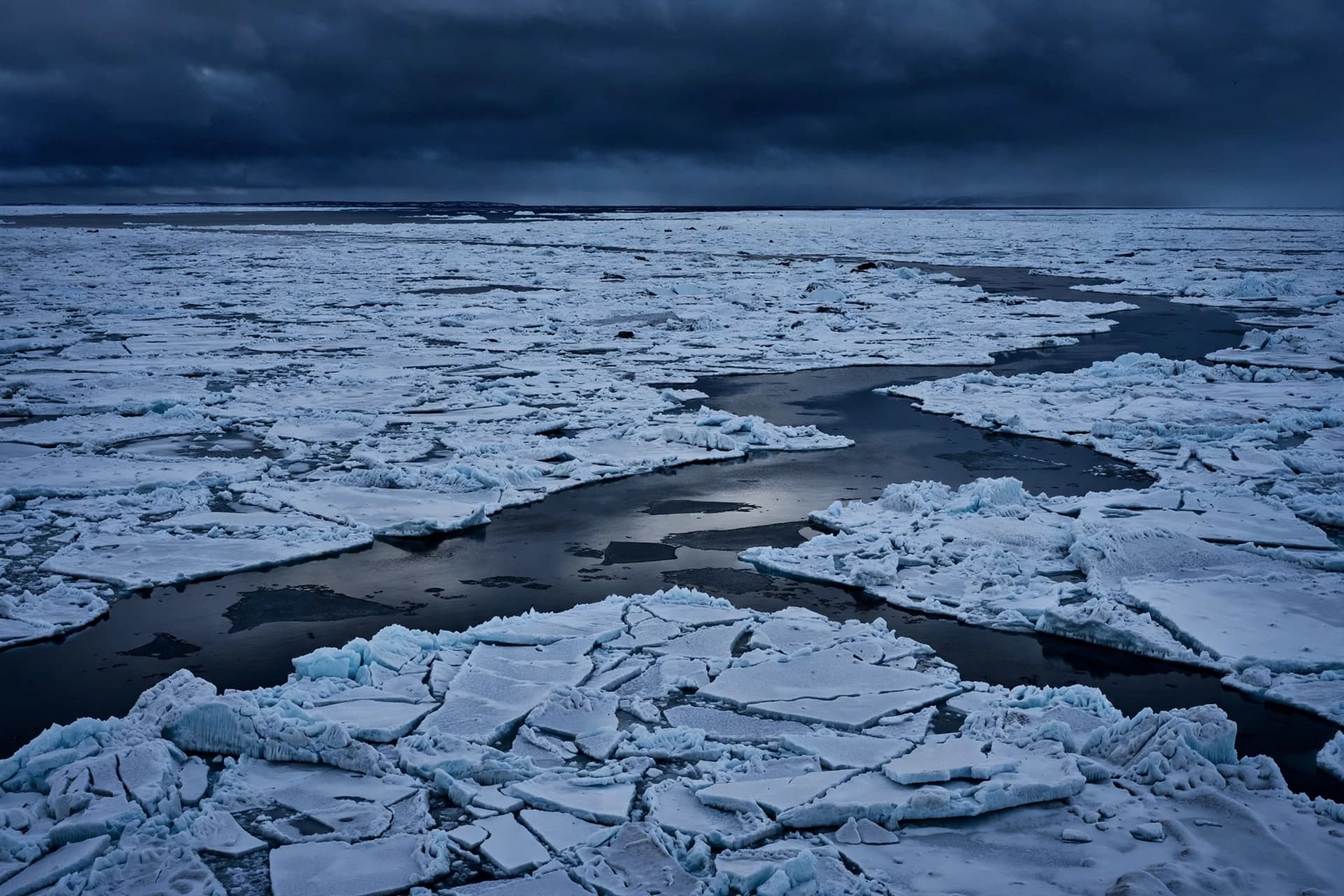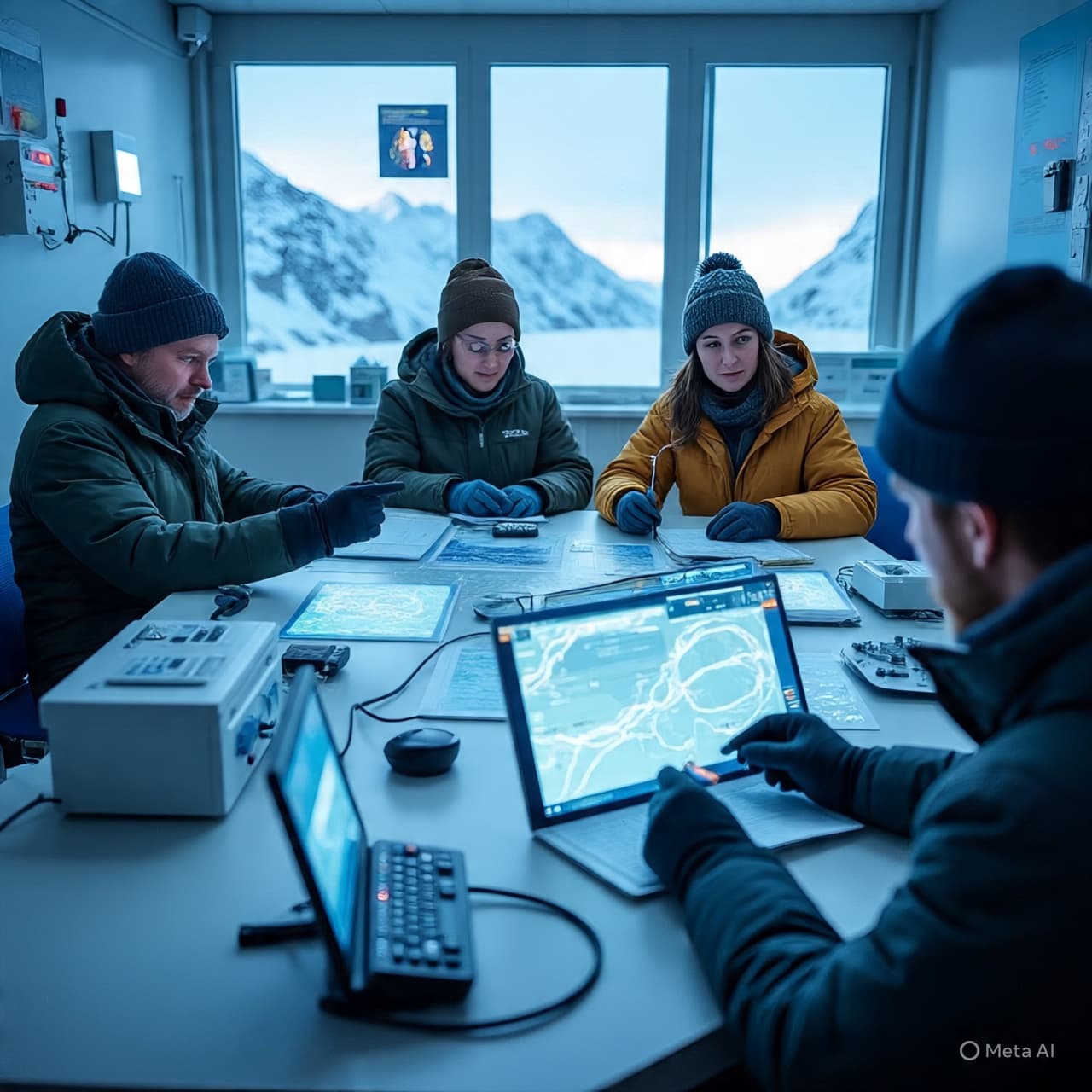
On the southernmost edge of our spinning world, where wind and snow conspire to make daylight seem fragile, scientists have turned their attention not to the surface, but to what lies hidden far beneath the ice. Like an old, half‑forgotten story unearthed in an attic, this place had waited beneath mile upon mile of frozen white — untouched since long before human history and preserved in the cold hold of deep time. Now, with tools that think in pulses of radar and patterns of gravity, researchers have glimpsed a landscape that last saw sunshine some 34 million years ago, when Antarctica was a very different place.
This buried terrain — an expanse of ridges, valleys, and ancient riverbeds — was formed long before ice sheets buried its contours. In those distant ages, flowing water carved channels into the earth, and the climate was warmer, shaping a world that may have resembled the temperate forests of modern Patagonia or the lush edges of Gondwana, a supercontinent that once bound together far‑flung lands.
For decades, scientists have known that Antarctica’s frozen exterior conceals more than a simple sheet of ice. Radio‑echo sounding and satellite measurements — ways of seeing through ice by listening with waves rather than looking with light — have revealed that the grounded surface beneath holds hills and valleys vast in scale, a hidden record of Earth’s changing face. What’s new is not that these features exist, but the level of detail now emerging as researchers peer deeper, refining a picture of a world long sealed from view.
To the researchers involved, this is more than a mere map‑making project. It is a chance to study a prehistoric environment preserved in near‑pristine condition — to read a chapter of Earth’s story that was thought to have been lost. Sediments, ancient formations and erosion patterns hold clues to the climate shifts that accompanied the growth of the Antarctic ice sheet, offering insights into how our planet’s systems responded tens of millions of years ago.
Yet as with many discoveries, this one has sparked spirited debate. Some scientists argue passionately that careful drilling to recover sediment cores or microscopic fossils from beneath the ice could help answer pressing questions about past climate transitions, and in turn improve predictions for the future. Others urge caution, concerned that any intrusion into a time‑capsule environment could irreversibly alter or contaminate what may be the best preserved record of Earth’s distant past.
There are legal and ethical questions as well. The Antarctic Treaty System, a decades‑old framework for preserving the continent as a realm of peaceful science, did not anticipate the discovery of a “lost world” hidden beneath kilometres of ice. How to balance scientific inquiry with protection of an untouched environment — and whether economic interests might someday press for access to mineral wealth in these buried lands — remains unclear.
Still, in laboratories and observatories around the globe, the hum of computers and quiet discussion continue. There is a sense that what lies beneath the ice is not simply an inert relic, but a source of knowledge that may illuminate patterns of ecological and atmospheric change far beyond this icy realm. In contemplating these ancient soils and valleys, scientists are reminded that even the most remote corners of the world have stories to tell — if we take the time to listen beneath the surface.
All Visuals are AI‑generated and serve as conceptual representations.
Sources (Media Names Only)
Journals Of India The Jerusalem Post The Jakarta Post The Times of India LBC
Published by Banx Network. This article is part of the Banx decentralized media programme, powered by the BXE token on the XRP Ledger.