On the dusty roads that lead from Mali’s war-torn villages into the uncertain safety of refugee settlements, many women carry more than a worn blanket or a child’s hand. They carry memories of violence so profound that silence seems easier than telling them aloud. In makeshift camps just inside Mauritania’s border, some have begun to share fragments of those experiences — stories of rape, assault, and terror inflicted during their flight.
In one temporary health clinic courtyard, a 14-year-old girl lay gravely ill, her vitality drained after days of untreated infection following a sexual assault, local medical staff said. Her family recounted how fighters from a foreign-aligned military unit known as Africa Corps burst into their tent, and the girl was raped before they fled toward the border.
This account, and others like it, emerged as journalists spoke with refugees who had just arrived, adjusting scarves over their faces and hesitating at the thought of speaking openly. One woman described her attackers stripping her inside her home, and how she survived only by “the grace of Allah.” Another, her voice trembling, recounted seeing armed men drag her 18-year-old daughter inside — an image she could not bear to explore further.
These personal testimonies paint a harrowing picture of conflict-related sexual violence that affects women and girls on multiple fronts. International aid workers and United Nations sources say that throughout Mali’s prolonged conflict, such violence — including gang rape and sexual slavery — has been committed by various armed actors, from extremist fighters to government-aligned forces.
Yet beneath these documented accounts lies a much larger and largely hidden reality. In conservative, patriarchal societies, the shame attached to sexual violence often traps survivors in silence. As one clinic manager explained, many women who have suffered attacks do not seek medical care until complications have already taken root — and even then, only a few come forward.
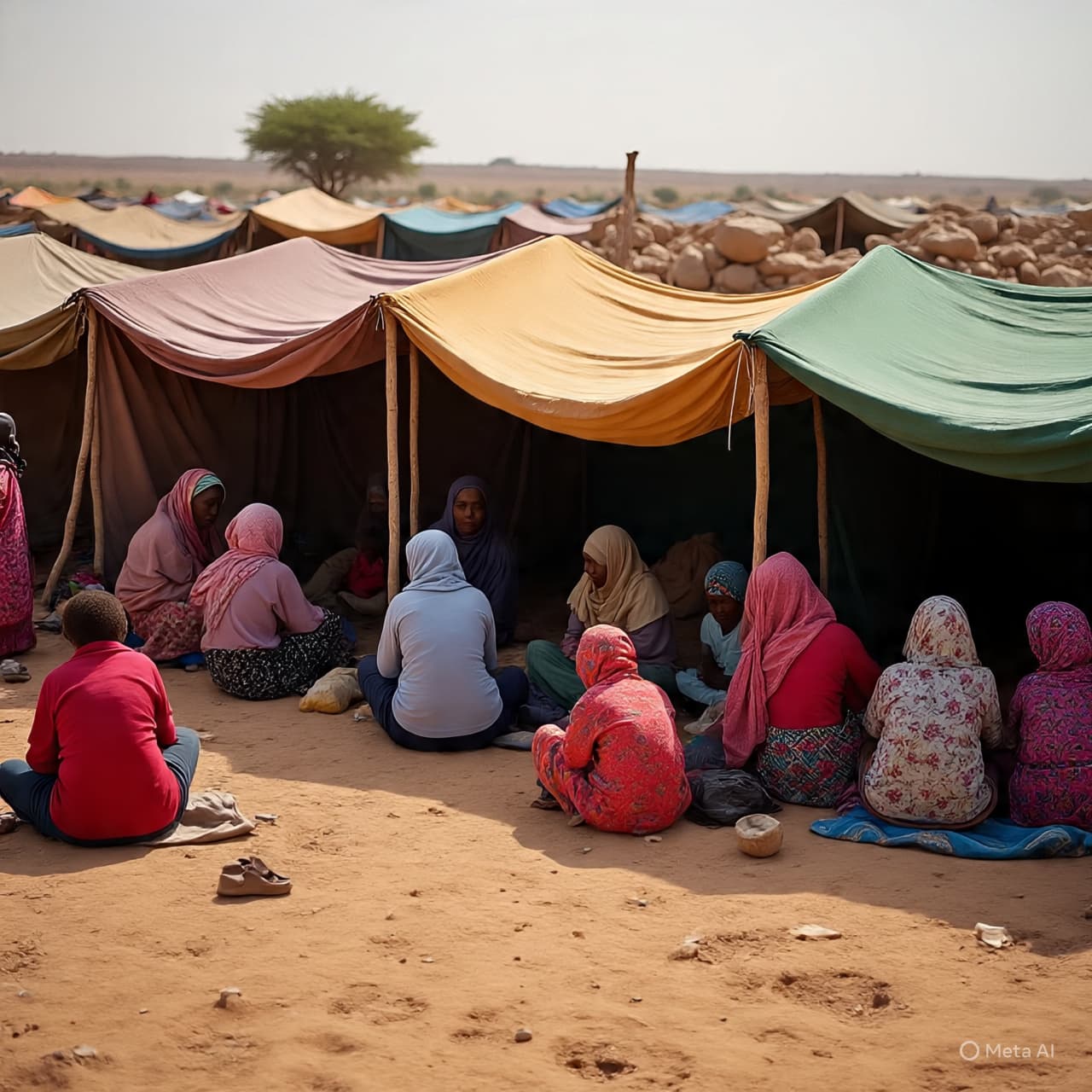
At another camp, medical workers described how many refugees, mostly women and children, now live under simple fabric shelters with limited access to basic services. The nearest formal refugee site is full, and stretched resources mean that even fewer survivors can receive trauma-informed care or psychosocial support.
Several women who did speak up told journalists that speaking out felt dangerous — and that fear of retaliation or rejection by family or community left them reluctant to share their experiences beyond a select few listeners. “We are still terrified by what we went through,” one woman said quietly, her tears a testament to the cumulative trauma of conflict and flight.
Even where aid agencies have arrived, they encounter deep cultural barriers to reporting. Some survivors decline even to discuss their ordeals with trained workers, fearful of community stigma or unwanted attention. This silence, while understandable, obscures the full magnitude of sexual violence across the region, making accountability and justice ever harder to pursue.
The narratives emerging from Mali’s refugee crisis reveal not only the brutality of war but also the profound human cost carried quietly within the hearts of those who survived — and fled — the violence. Their stories, once shrouded in fear and stigma, now challenge the world to listen, support, and confront the silent suffering that continues long after the guns fall silent.
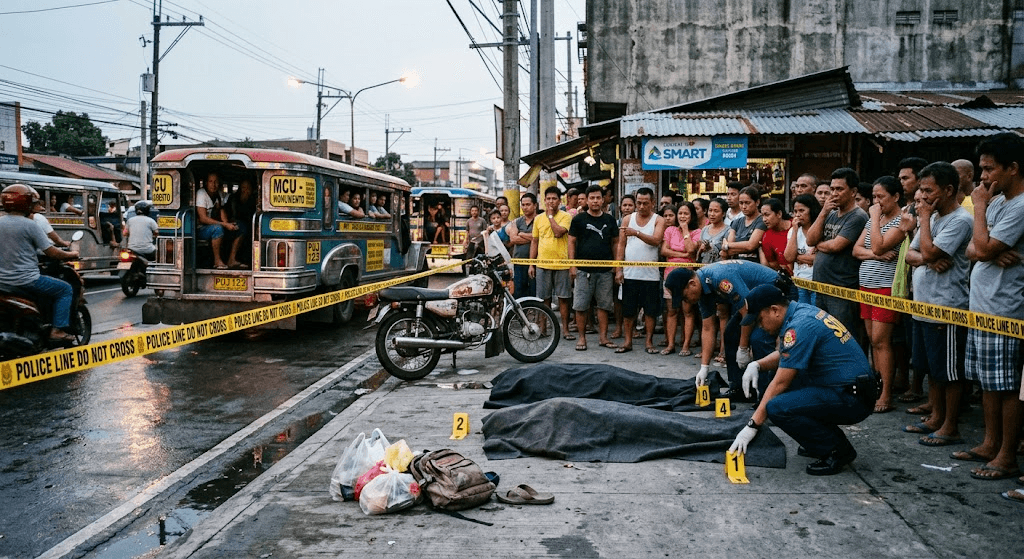
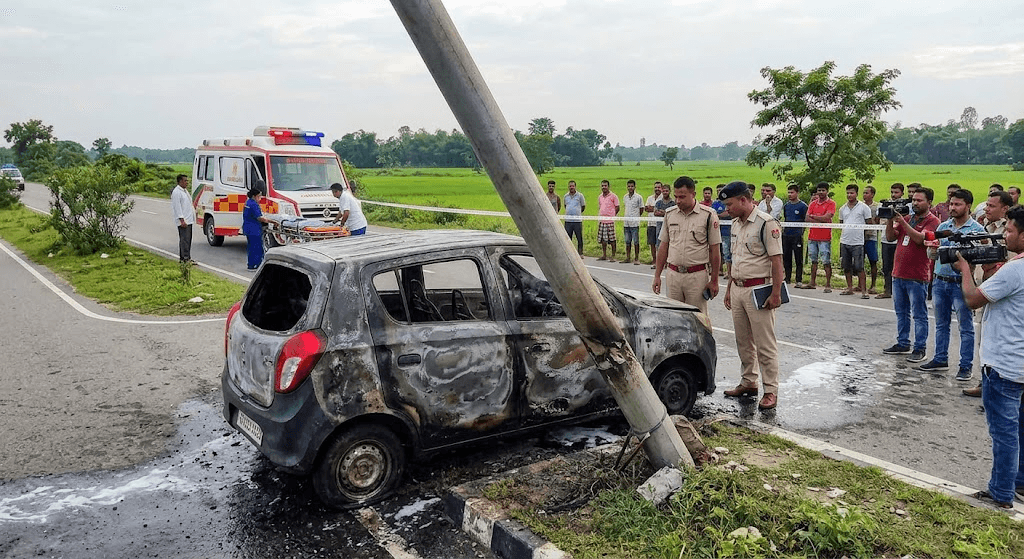
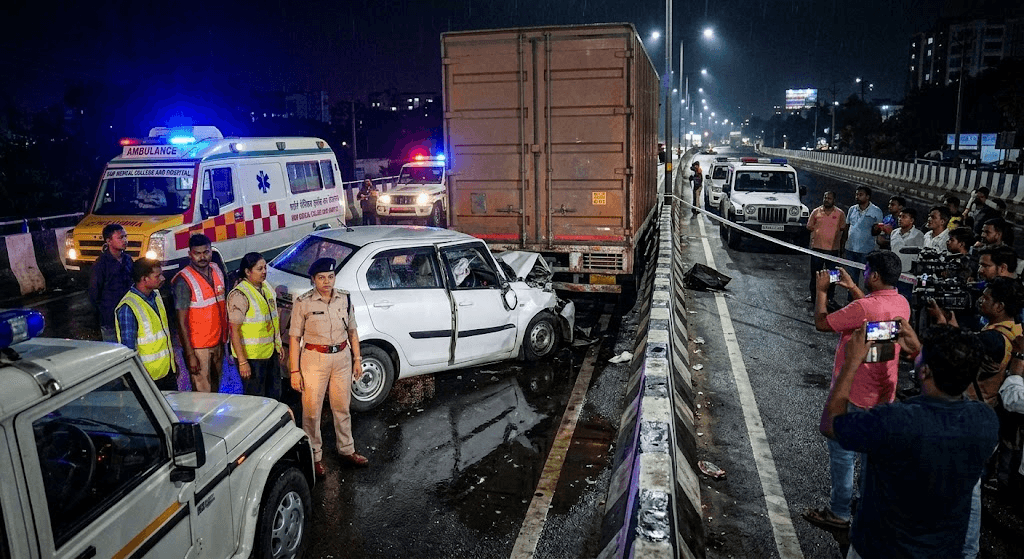
AI Image Disclaimer “Images in this article are AI-generated illustrations, meant for concept only.”
Sources Associated Press reporting on sexual violence among women fleeing Mali’s conflict and silence surrounding many cases. Additional AP-based reports highlighting harrowing refugee accounts and barriers to reporting sexual violence.
Published by Banx Network. This article is part of the Banx decentralized media programme, powered by the BXE token on the XRP Ledger.