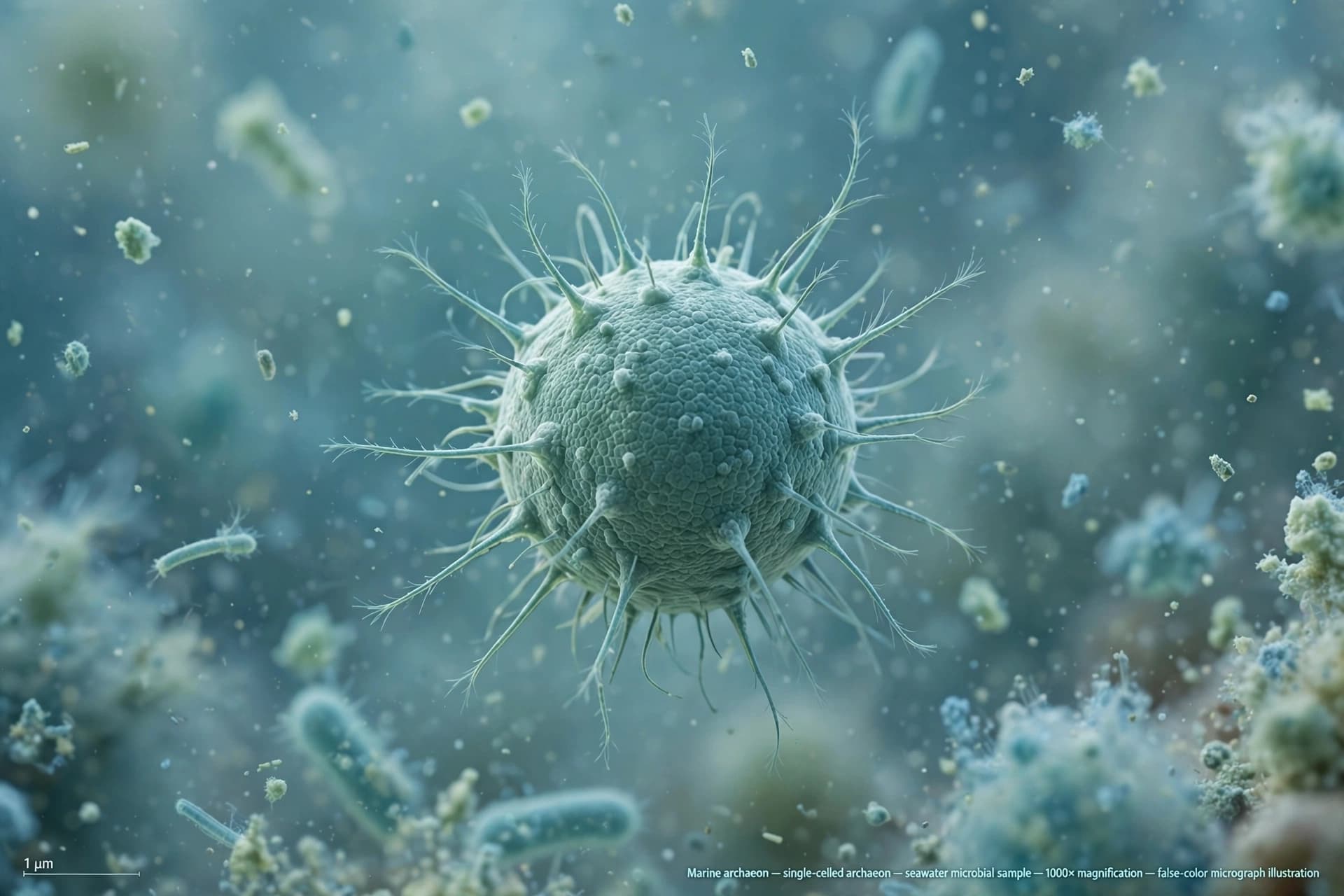
There are places on our planet where colour, texture and context combine to create a kind of geological poetry: midnight-blue mud oozing from a volcanic vent in the deep ocean, a cocktail of minerals and chemistry that whispers of extremes. In that vivid tableau, scientists have now detected what may be signs of life. Beneath nearly 3,000 metres of sea, from a mud volcano near the Mariana Trench, researchers have retrieved sediment core samples of startlingly blue volcanic goo — and within that alien-hued matrix they have found molecular evidence of microbial life.
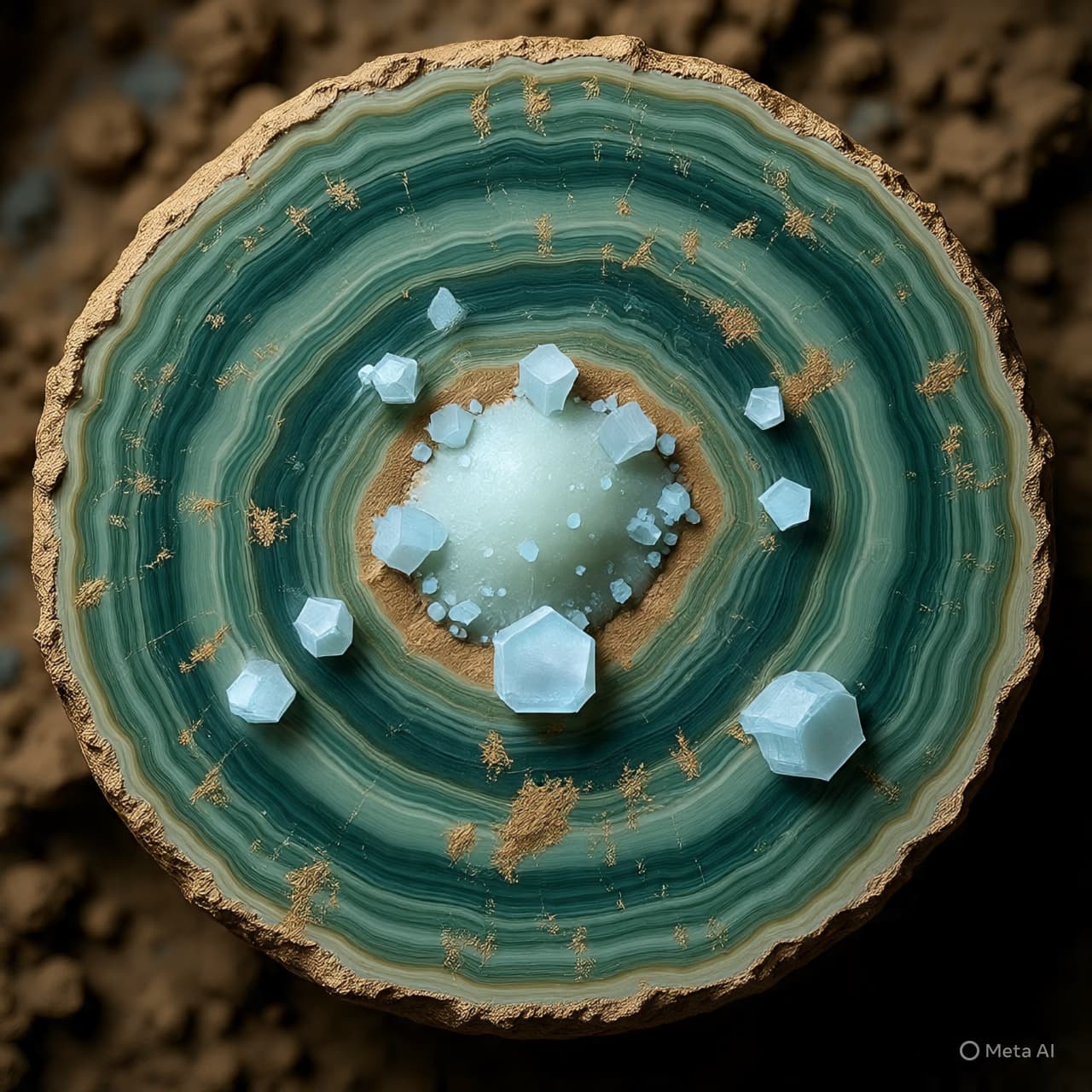
The site — known as the Pacman mud volcano (part of the expedition labelled SO292/2) — yielded cores dominated by serpentinite and brucite, a rare mineral assemblage in mud volcanoes, all striking in their blue-green hues. Among the rock and mud were intact lipids (fat molecules) of bacterial and archaeal membranes — molecules that survive when life forms attempt to thrive in extreme conditions. The researchers interpret these as the “first line of defence” of organisms living in high-pH, nutrient-poor, deep subsurface mud.
What makes this discovery especially compelling is the harshness of the environment. The mud has a pH around 12 — one of the highest pH levels ever recorded in a natural ecosystem. It is cold, dark, and deprived of easy organic carbon, yet the microbes appear to eke out existence there. “It is simply exciting to obtain insights into such a microbial habitat because we suspect that primordial life could have originated at precisely such sites,” says one of the study authors.
The mechanism seems rooted in chemosynthesis rather than photosynthesis. The serpentinite mud appears to drive the generation of hydrogen and methane through a process of serpentinization — when ultramafic rocks interact with water and produce hydrogen gas and other energy carriers. The microbes then consume methane and sulfate, producing hydrogen sulfide as a by-product. This kind of metabolic pathway is a known survival strategy in some deep-sea hydrothermal systems and may reflect conditions that existed on the early Earth.
Beyond the biology, this discovery carries grander implications. It suggests that life can persist under far harsher conditions than previously understood. If microbes can thrive in blue volcanic mud that is alkaline, limited in nutrients, and far from sunlight — then perhaps life may exist in comparable places: deep beneath the ocean floor, in icy moons, or even in volcanic mud elsewhere. The researchers explicitly note that these findings may inform our search for life beyond Earth.
Of course, caution remains. While the lipid biomarkers are strong indicators of life, they are not the same as directly isolated living cells, nor do they yet provide full genome sequences. The environment is complex and the interpretation of data from such extremes demands care. As with any claim of life in extreme environments, verification — repeat sampling, culture attempts, genomic reconstruction — is the next step.
Still, in the frozen blue mud of a deep-sea volcano, nature pushes a little further the boundary of where life is possible. The image of life thriving in an alien-looking goo under kilometres of water is a reminder that our planet still holds secrets, and that life’s tenacity continues to surprise.
AI Image Disclaimer “Visuals are created with AI tools and are not real photographs.”
Sources ScienceAlert; CSIRO News; IFLScience.
Published by Banx Network. This article is part of the Banx decentralized media programme, powered by the BXE token on the XRP Ledger.