
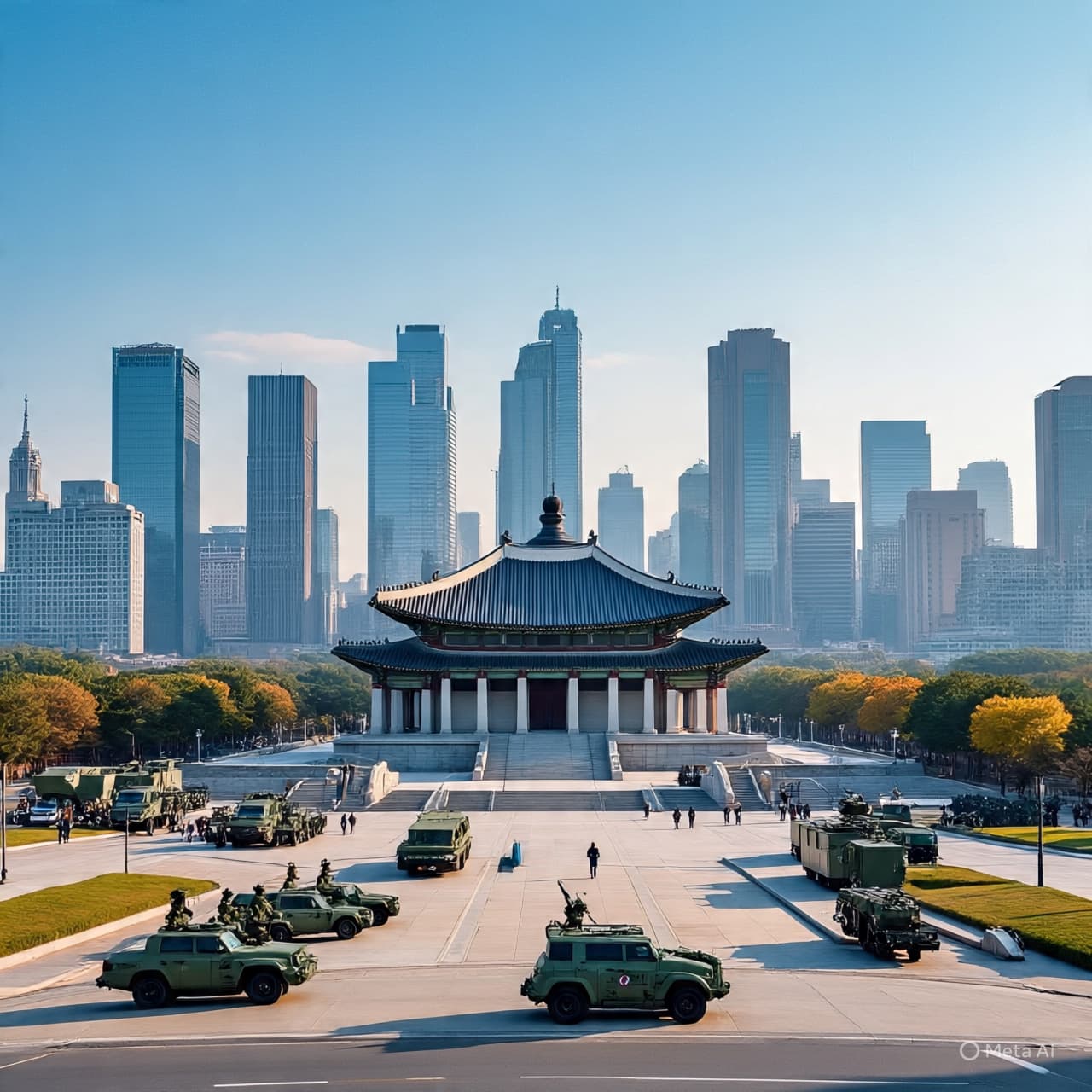
In the autumn of political uncertainty that swept Seoul last year, a whisper in the chamber of power grew into a thunderous scandal that now quiets rooms far from the courtroom. Former South Korean President Yoon Suk Yeol—once the nation’s highest officeholder—stands accused, not merely of political grandstanding, but of orchestrating a calculated strategy to beckon conflict from across the Demilitarized Zone. Prosecutors allege that Yoon sought to provoke North Korea into military aggression to create a justification for his controversial declaration of martial law in December 2024.
The special prosecutor’s investigation, spanning six months, concluded that Yoon’s maneuvers dated back to late 2023 and involved a series of what were described as “abnormal military operations” intended to pressure Pyongyang into a hostile response. Central to this allegation were alleged covert drone missions into North Korean territory aimed at inflaming tensions—maneuvers that, if true, represent an extraordinary use of military force for political ends.
The indictment paints a vivid picture of a leader who, confronted with a fractious political landscape and persistent clashes with parliament, saw martial law as both sword and shield. Prosecutors say Yoon and several senior aides hoped that a North Korean counterattack would provide the national emergency needed to justify suspending legislative authority, consolidating executive power, and curtailing political opposition.
Yet, the gambit appears to have faltered. Pyongyang did not respond with the expected military aggression, leaving the administration without the pretext it had sought. Undeterred, prosecutors allege, Yoon proceeded with a short‑lived declaration of martial law on Dec. 3, 2024—an act swiftly invalidated by a parliament led by the Democratic Party, which argued it was unconstitutional absent any genuine crisis.
The broader legal reckoning has been profound. Yoon was impeached in April 2025 and now faces trial on insurrection charges that carry severe penalties under South Korean law, including possible life imprisonment or more. Alongside him, more than two dozen aides and former officials have been indicted for their roles in the scheme the special prosecutor describes as a calculated bid to “monopolize and maintain power.”
For many South Koreans, the saga has pierced the nation’s modern democratic narrative. As prosecutors and courts grapple with the evidence, the headlines reflect not just a political controversy, but a deeper conversation about the limits of presidential power, the fragility of constitutional order, and the ever‑present tension between security and liberty in a divided peninsula.
AI Image Disclaimer Visuals are AI‑generated illustrations and are not real photographs.
Sources (News): Reuters
• Al Jazeera
• NK News
• AP News
• The Japan Times
Published by Banx Network. This article is part of the Banx decentralized media programme, powered by the BXE token on the XRP Ledger.


.jpg&w=3840&q=75 "Zelensky Warns China Is Helping Russia Develop a Starlink Rival")