There are moments in international affairs when the horizon darkens suddenly, as if a distant storm has shifted course without warning. The air feels heavier, conversations quieter, and nations—large and small—pause to measure their footing. In such moments, clarity is not loud. It does not pound the table or chase headlines. It speaks carefully, aware that words can travel farther than intended.
As tensions rise following strikes involving Iran, New Zealand has found itself once again in the familiar position of watching global powers recalibrate their moves. The distance from the Middle East may be measured in thousands of miles, yet the tremors of instability ripple outward in markets, diplomacy, and collective unease. Against this backdrop, Foreign Minister Winston Peters has chosen a tone that reflects both caution and steadiness.
Peters has emphasized that New Zealand’s focus must remain on what it can realistically influence. It is an approach grounded less in spectacle and more in proportion. While larger nations weigh retaliation and deterrence, Wellington’s concern rests with safeguarding New Zealanders abroad, reinforcing diplomatic channels, and reaffirming longstanding commitments to international law. There is an understanding that small states do not shape global storms, but they can decide how firmly they anchor themselves when winds grow unpredictable.
New Zealand’s foreign policy tradition has often leaned on multilateralism and principled restraint. In times of conflict, its leaders have tended to avoid rhetorical escalation, preferring to call for de-escalation and dialogue. Peters’ recent remarks reflect that continuity. Rather than framing the strikes in dramatic terms, he has underscored the importance of stability, the safety of citizens, and coordination with partners. It is a reminder that diplomacy is often most effective when it resists the pull of emotional reaction.
There are practical considerations as well. Rising tensions in the Middle East can influence global oil prices, shipping routes, and broader economic confidence. For a trade-reliant nation like New Zealand, these shifts are not abstract. They touch exporters, consumers, and policymakers alike. By focusing on preparedness rather than prediction, the government signals that it understands the interconnectedness of today’s crises.
Yet beneath the policy language lies something more subtle: a recognition of scale. New Zealand does not command aircraft carriers or regional alliances capable of reshaping the Middle East overnight. What it possesses instead is a diplomatic voice shaped by decades of advocating for rules-based order and peaceful resolution. Peters’ comments suggest that maintaining that voice—clear, measured, and consistent—may be the most meaningful contribution available.
In uncertain times, there is often pressure to declare firm alignments or dramatic positions. But steadiness can itself be a stance. By concentrating on what New Zealand can control—its citizens’ welfare, its diplomatic messaging, its economic resilience—the government avoids being swept into narratives driven by larger powers. It signals neither indifference nor alarmism, but attentiveness.
The global situation remains fluid. Events in the Middle East may evolve in ways that require further response. For now, however, New Zealand’s message is one of vigilance and composure. In a world where headlines flare quickly and fade just as fast, that measured clarity may offer its own quiet reassurance.
As tensions around Iran continue to unfold, New Zealand’s approach appears centered on caution, coordination, and the protection of national interests. Rather than projecting forceful rhetoric, officials have reiterated calls for stability and adherence to international norms. The coming days will determine how the wider geopolitical landscape shifts, but for now, the focus remains on steady diplomacy and pragmatic preparation.
AI Image Disclaimer
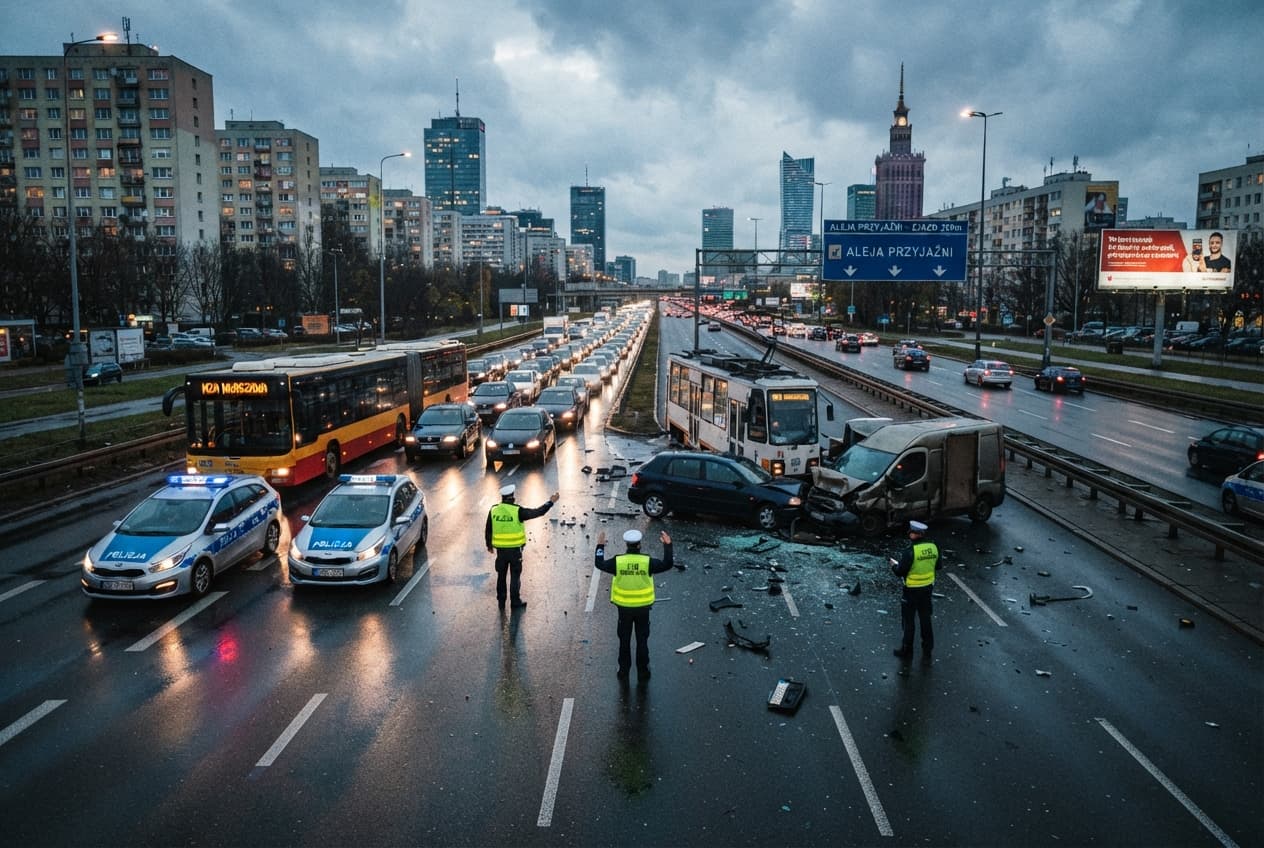
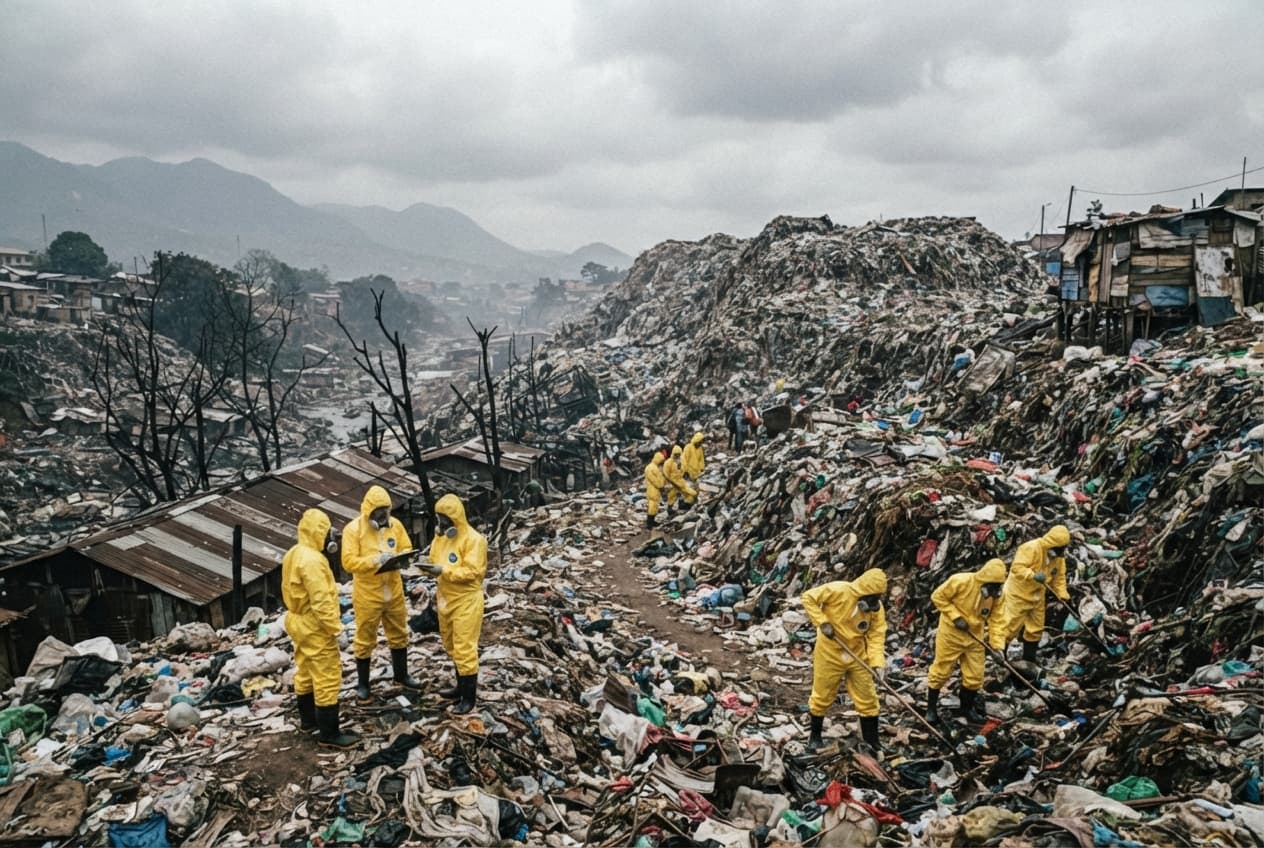
Visuals are created with AI tools and are not real photographs.
Source Check
Credible mainstream and national outlets covering Winston Peters’ remarks and New Zealand’s response to the Iran strikes include:
Radio New Zealand (RNZ) The New Zealand Herald Stuff Reuters The Guardian
Published by Banx Network. This article is part of the Banx decentralized media programme, powered by the BXE token on the XRP Ledger.