The dawn of a new era in human spaceflight is rarely quiet. Even as rockets rise in brilliant arcs against the deepening horizon, the unseen weight of precision and trust hums through every rivet and circuit. In the case of Boeing’s Starliner spacecraft, intended to ferry astronauts to the International Space Station, that hum became a prolonged resonance of uncertainty. A flight meant to last a week transformed into a months-long chapter for two astronauts who lingered beyond the expected confines of their mission, suspended not just in orbit but between intention and execution.
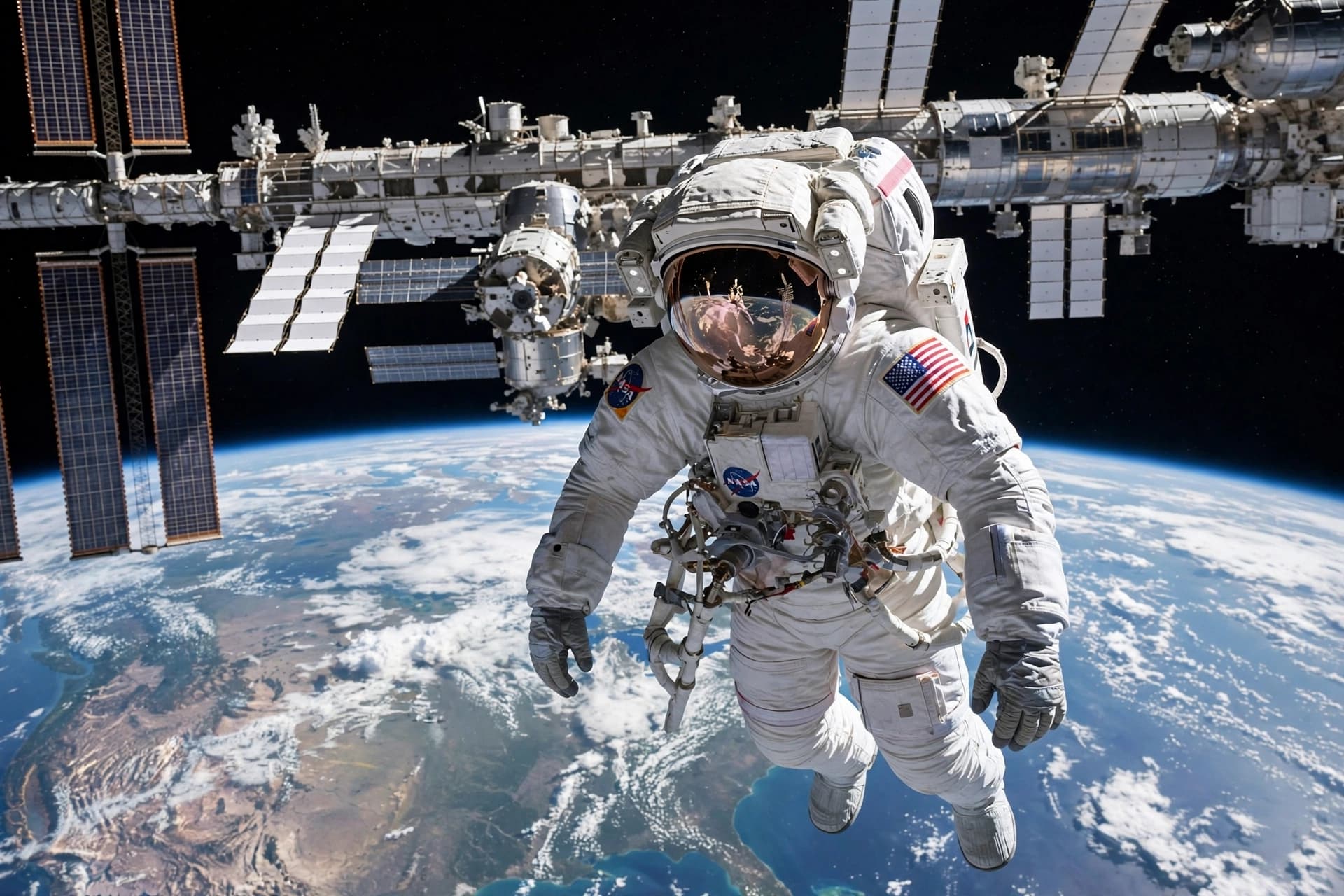
The mission, a testament to human ambition and the industrial reach toward the heavens, faltered when a combination of technical anomalies and oversight challenges prevented Starliner from completing its planned maneuvers. Thrusters misfired, systems hesitated, and schedules stretched into an unplanned liminality. In that stretched time, astronauts became both witnesses and participants in a rare choreography of patience, floating amid instruments, the Earth turning slowly beneath them, while teams on the ground worked to parse what went wrong.
Behind the hardware, the narrative of the mission reveals the delicate weave of leadership and communication. Reports from NASA’s internal review painted a picture not merely of mechanical failure, but of organizational tension: decisions made in haste, lines of accountability blurred, and the cadence of risk management falling out of rhythm with the urgent stakes of human life. The result was a mission extended, its timelines rewritten, and the clear arc of what was meant to be a smooth journey punctuated by months of improvisation and waiting.
Yet even in this disruption, there is motion. The astronauts eventually returned safely aboard a rival spacecraft, a testament to resilience and the layered redundancy of human spaceflight. And while the Starliner’s path to reliable service now rests on meticulous review and reform, the episode serves as a quiet meditation on the complexity of reaching beyond our world. Rockets and engineering, schedules and protocols, all interlace with the patience and vigilance of those who occupy the void between Earth and the stars.
The Starliner mission, now classified as a Type A mishap, stands as both caution and inspiration. It reminds us that venturing into orbit is not only a mechanical or logistical endeavor, but a human one — shaped by judgment, culture, and the fragile balance of trust. As NASA and Boeing plan corrective measures, the broader arc of space exploration continues, carrying with it lessons etched not in stone, but in the orbiting silence of a mission that did not unfold as intended.
AI Image Disclaimer
Illustrations were created using AI tools and are not real photographs.
Sources (Media Names Only)
Reuters NPR Associated Press CBS News AP News
Published by Banx Network. This article is part of the Banx decentralized media programme, powered by the BXE token on the XRP Ledger.