
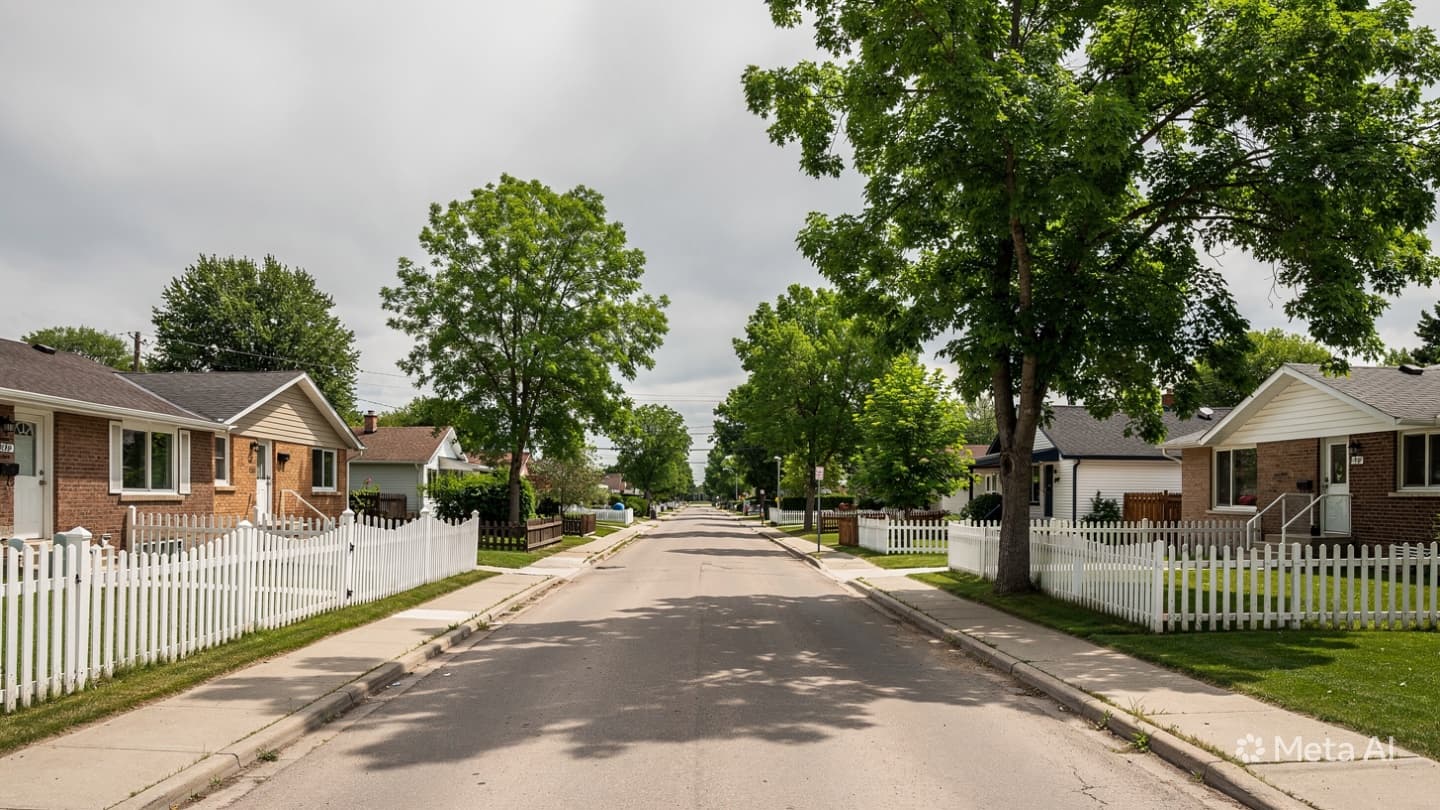
The release of information regarding individuals who have spent significant portions of their lives within the correctional system always introduces a complex note into the quiet routine of regional communities. In Manitoba, where the vastness of the landscape often contrasts sharply with the tightly knit nature of its settlements, such transitions are felt with a particular intimacy. The announcement of a high-risk individual returning to the public sphere creates a ripple of awareness that moves quietly through neighborhoods and local community centers.
The Winnipeg Police Service recently issued a formal notification regarding the release of a high-risk sex offender whose history within the justice system spans four decades. This administrative action, executed under specific public safety provisions, serves as a mechanism to balance individual legal status with the collective right to awareness. The document details a long past, inviting a somber reflection on the passage of time and the enduring nature of institutional oversight.
Public safety notices of this nature are rare, reserved primarily for instances where specialized behavioral units determine that the potential for future friction remains a matter of professional concern. The release into the Manitoba community is accompanied by a strict set of conditions managed by parole services and localized monitoring teams. These measures are designed to create a structured framework around the individual as they navigate the unfamiliar rhythms of contemporary civilian life.
The reaction within the affected residential areas is typically characterized by a quiet, watchful reservation rather than overt disruption. Families and local organizers review the details provided by the authorities, integrating the information into their daily routines with a practical sense of caution. This measured approach reflects the general character of a population accustomed to managing complex social realities without losing its fundamental sense of community cohesion.
From an editorial perspective, the situation highlights the delicate balance that modern societies must maintain between rehabilitation, legal finality, and public protection. The four-decade timeline of the individual's history speaks to a different era of correctional philosophy, making their reintegration a subject of interest for legal scholars and criminologists alike. The process underscores the continuous evolution of risk management practices within the Canadian judicial framework.
As the individual establishes a residence under the watchful eye of designated enforcement teams, the daily life of the surrounding neighborhood proceeds without immediate alteration. The presence of monitoring infrastructure, though largely invisible to the casual observer, provides an underlying layer of structure intended to mitigate potential risks. This systemic approach relies heavily on the seamless exchange of information between various levels of law enforcement and community agencies.
The role of the media in these instances is carefully circumscribed by legal protections and ethical considerations, aiming to inform without causing unnecessary alarm. By presenting the facts of the notification clearly and without embellishment, local outlets assist the public in understanding the scope of the conditions imposed by the court. This responsible dissemination ensures that vigilance remains grounded in accurate data rather than speculation.
In the long term, the successful management of high-risk releases depends on the durability of the supervision protocols and the responsiveness of the local support network. As the initial focus surrounding the announcement gradually subsides, the routine work of monitoring and reassessment will continue behind the scenes. The ongoing effort remains dedicated to ensuring that the peace of the Manitoba landscape is preserved through diligent administrative care.
Published by Banx Network. This article is part of the Banx decentralized media programme, powered by the BXE token on the XRP Ledger.


