Military bases in distant deserts rarely enter the everyday awareness of citizens thousands of kilometers away. They exist quietly on maps and in official briefings, places where aircraft land beneath wide skies and service members carry out routines far removed from the rhythm of life back home. Yet when something happens in those remote locations, the question often becomes not only what occurred—but when and how the public learns about it.
In recent days, that question has surfaced in Canada’s capital after revelations that an airbase in Kuwait hosting Canadian forces was reportedly targeted in an attack earlier this year. The incident itself did not immediately reach the public, and its delayed disclosure has prompted criticism from opposition lawmakers who say Canadians should have been informed sooner.
A member of the Conservative Party described the government’s handling of the situation as “shameful,” arguing that transparency about risks faced by Canadian personnel overseas should not be delayed. The criticism reflects a broader debate about how governments balance operational security with public accountability, particularly when troops are stationed in volatile regions.
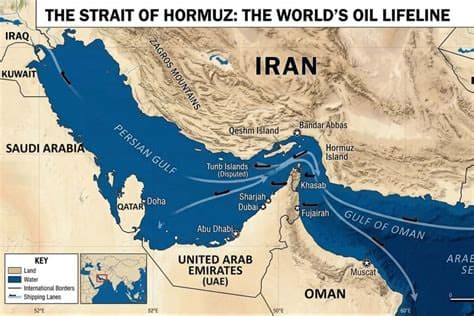
The base in question forms part of Canada’s ongoing military presence in the Middle East. Canadian Armed Forces personnel have been deployed to the region for years in support roles that include training missions, logistics operations, and coalition activities tied to regional security. Kuwait, positioned along the northern edge of the Persian Gulf, has long served as a staging ground for multinational military cooperation.
According to officials familiar with the situation, the attack involved projectiles or drones directed toward the installation. Reports indicate that the incident did not result in casualties among Canadian personnel. Military forces stationed at the base responded according to established defense procedures, and the situation was brought under control.
For some observers, the most striking element of the episode is not the attack itself—military installations in the region have occasionally faced threats during periods of heightened tension—but the delay before the incident became widely known.
Opposition members in Ottawa say the government should have informed Parliament and the public sooner, particularly given that Canadian troops were stationed at the facility. They argue that transparency is essential when military personnel are operating in areas where security risks remain unpredictable.
Government officials, however, have suggested that operational considerations often shape the timing of public disclosures. Military events in active regions can involve sensitive intelligence, coalition coordination, or security assessments that require careful handling before information is released publicly.
Such tensions between openness and caution are not new. Democracies with overseas military deployments frequently face the challenge of explaining complex security situations while protecting the safety of personnel and ongoing operations.
For the Canadian service members stationed in Kuwait, daily life continues much as it has before—routine flights, maintenance work, and coordination with allied forces. The airbase remains part of a broader network of installations that quietly support international military operations across the region.
Back in Ottawa, however, the discussion has taken on a different tone. Parliamentary debates, media scrutiny, and questions about transparency have turned a distant moment into a domestic political issue.
In the end, the episode illustrates how events unfolding in faraway deserts can ripple across political landscapes at home. What happens near a runway thousands of kilometers away can quickly become part of a national conversation about accountability, communication, and the responsibilities that come with sending troops abroad.
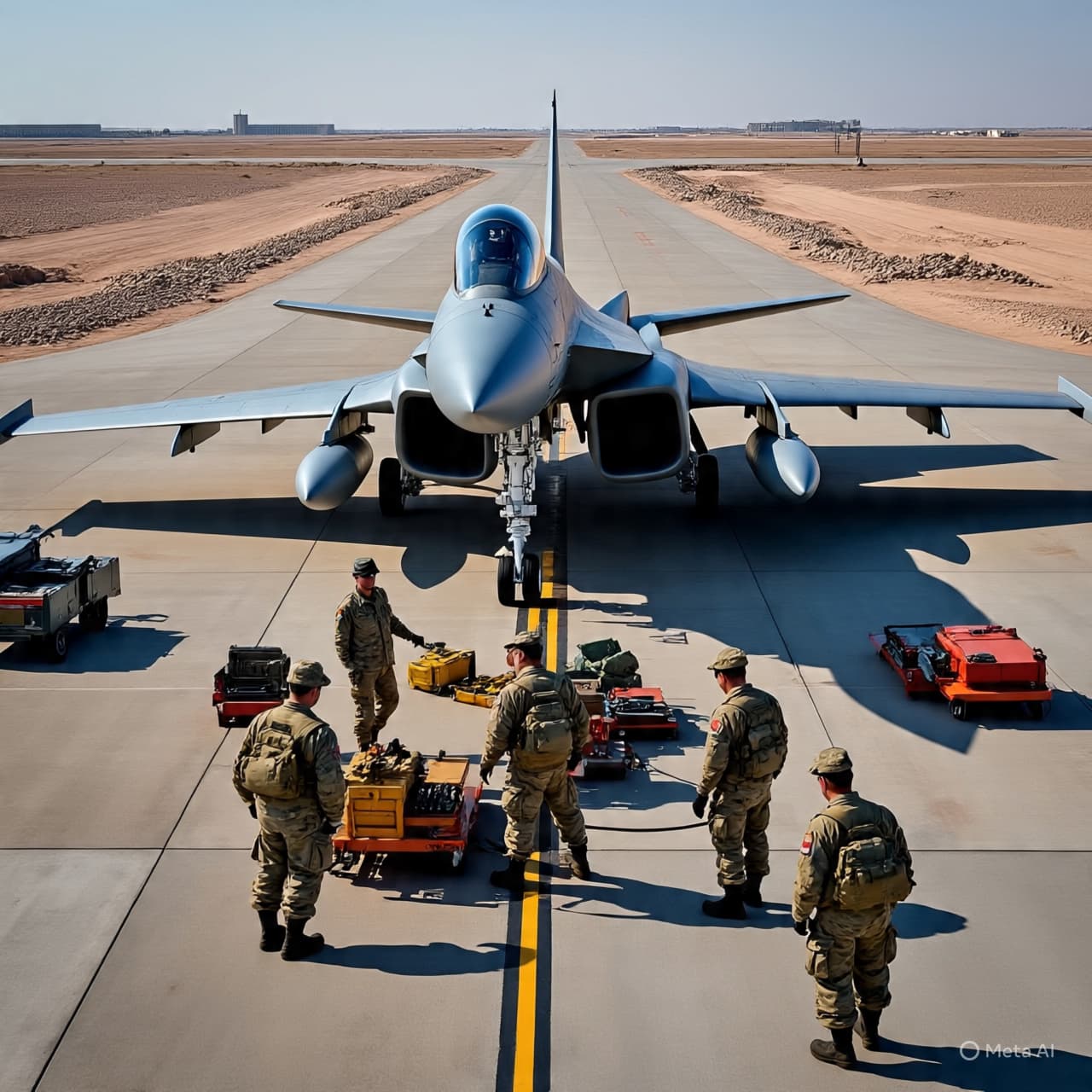
AI-generated illustrations are used for visual representation and do not depict real photographs.
Sources
CBC News
Global News
The Globe and Mail
National Post
Reuters
Published by Banx Network. This article is part of the Banx decentralized media programme, powered by the BXE token on the XRP Ledger.