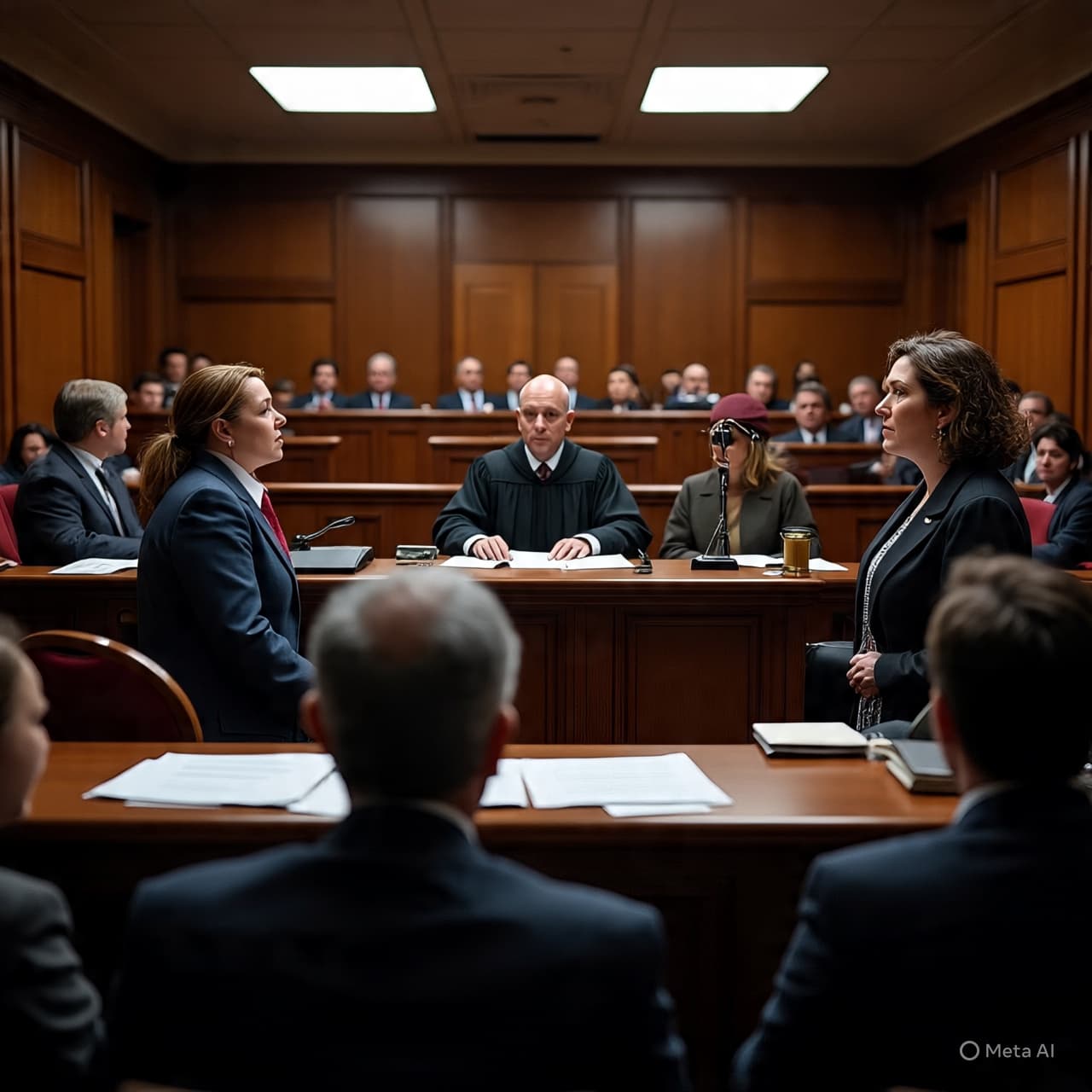
In a courtroom in Los Angeles, a jury delivered a verdict that resonates far beyond its immediate figures. On December 13, 2025, jurors ordered Johnson & Johnson to pay $40 million in damages to two women who argued that years of using the company’s talcum powder products — including Johnson’s Baby Powder and Shower to Shower — contributed to their development of ovarian cancer.
The case, heard in the Los Angeles Superior Court, reflects ongoing legal battles over allegations that talc-based body powders can be linked to serious cancers. The plaintiffs, Monica Kent and Deborah Schultz, each testified that they used J&J’s talc products for decades — in Kent’s case for more than 40 years — and later were diagnosed with ovarian cancer. The jury awarded $18 million to Kent and $22 million to Schultz and her husband, recognizing both the suffering the women endured and, in their view, the company’s failure to warn consumers about potential risks.
At the heart of the plaintiffs’ argument was the assertion that J&J knew for years about potential dangers associated with talc — including concerns about asbestos contamination, a known carcinogen — yet did not adequately disclose these risks to consumers. Plaintiffs’ attorneys told jurors that the women’s long-term use was rooted in trust and brand loyalty, a point underscored when one lawyer remarked that the only thing the plaintiffs “did was be loyal” to the company.
Johnson & Johnson, for its part, expressed strong disagreement with the verdict and said it plans to appeal. In statements released after the decision, company representatives noted that numerous health authorities and decades of scientific research do not support a causal link between talc use and cancer, and emphasized that the products did not contain asbestos. J&J also highlighted that it stopped selling talc-based baby powder globally in 2023 and had previously replaced talc with cornstarch in North America.
This latest verdict forms part of a long and complex series of talc-related lawsuits facing the healthcare giant — litigation that has spanned years and involved tens of thousands of plaintiffs. In past trials, some juries have returned large awards to plaintiffs alleging cancer caused by talc exposure, including a $966 million verdict in a separate mesothelioma case related to asbestos claims earlier in 2025.
However, not all outcomes have favored plaintiffs. J&J has also won numerous cases and has repeatedly denied that its talc products cause cancer, pointing to scientific reviews and regulatory positions that find no definitive causal link. The company’s ongoing legal strategy has included attempts to manage talc litigation collectively through bankruptcy mechanisms, though courts have rejected some of these efforts.
The human stories behind the figures are often stark. Both Kent and Schultz have endured extensive medical treatments, including surgeries and chemotherapy, as part of their battles with cancer. Their case — and the jury’s decision — underscores both the emotional and financial weight these longstanding claims carry for individuals and corporations alike.
As Johnson & Johnson prepares its appeal, this verdict adds another chapter to an already expansive legal saga that continues to shape perceptions of product safety, corporate accountability, and how science and law intersect in high-stakes lawsuits. Whether future juries will issue similar awards remains to be seen, but for the women at the center of this trial, the decision represents a hard-fought acknowledgment of their experiences.
AI Image Disclaimer “Visuals are created with AI tools and are not real photographs.”
Sources Jury awards Johnson & Johnson $40 million in talc cancer case — Associated Press via multiple outlets. Context on related talc litigation and company history.
Published by Banx Network. This article is part of the Banx decentralized media programme, powered by the BXE token on the XRP Ledger.