In the quiet expanses between stars, matter gathers and transforms with a patience that spans millions of years. Within these distant nurseries, even the most delicate molecular forms can emerge, shaped by light, pressure, and time. Among them are the so-called “buckyballs,” or Buckminsterfullerene—structures whose symmetry feels almost architectural, as if nature briefly turned to geometry for inspiration.
Astronomers have identified a striking cosmic environment where these carbon molecules appear to form, offering new clarity about their origins. Using infrared observations, researchers traced the presence of buckyballs to regions rich in dust and radiation, where conditions appear suitable for complex molecular assembly.
These molecules, composed of 60 carbon atoms arranged in a spherical pattern, were first discovered in laboratory settings before being detected in space. Their resilience in harsh cosmic conditions has made them an intriguing subject for scientists studying the chemistry of the universe.
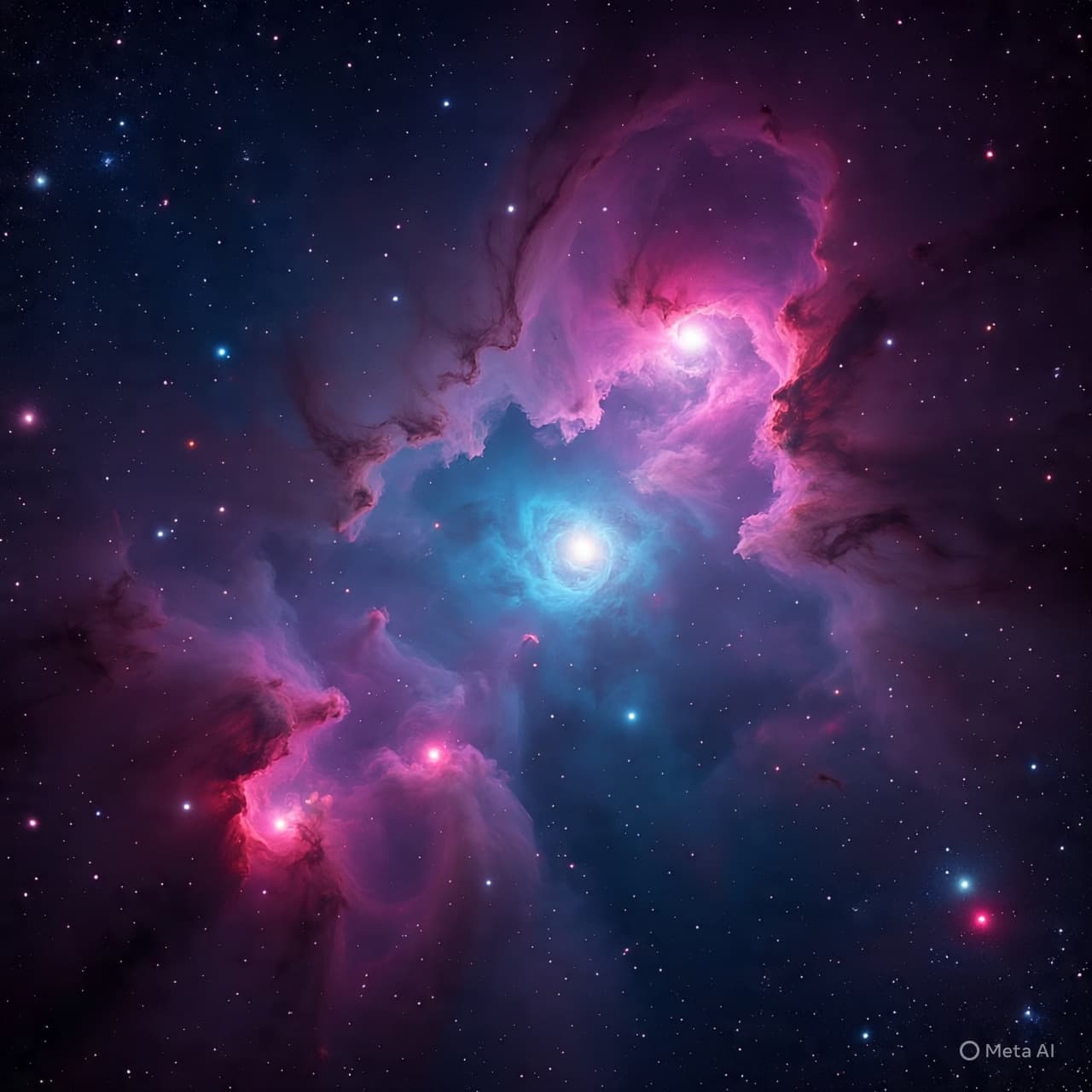
The newly identified formation site lies within a nebula-like region, where dying stars shed material into surrounding space. As this material cools and interacts with ultraviolet radiation, carbon atoms can reorganize into stable, cage-like structures.
Researchers note that such environments act as both endings and beginnings. While they mark the final stages of stellar evolution, they also provide raw materials for new molecular formations, including those as complex as buckyballs.
The findings contribute to a broader understanding of how organic molecules develop in space. While buckyballs themselves are not biological, their existence highlights the diversity of carbon chemistry beyond Earth.
Observations were made possible through advanced telescopes capable of detecting specific spectral signatures. These signatures act as molecular fingerprints, allowing scientists to identify substances across vast distances.
As studies continue, the presence of buckyballs in these stellar environments offers a quiet reminder that even in the aftermath of stars, structure and order can still emerge.
AI Image Disclaimer: Visuals related to this article include AI-generated interpretations based on astronomical data.
Sources: NASA, ESA, Nature Astronomy
Published by Banx Network. This article is part of the Banx decentralized media programme, powered by the BXE token on the XRP Ledger.