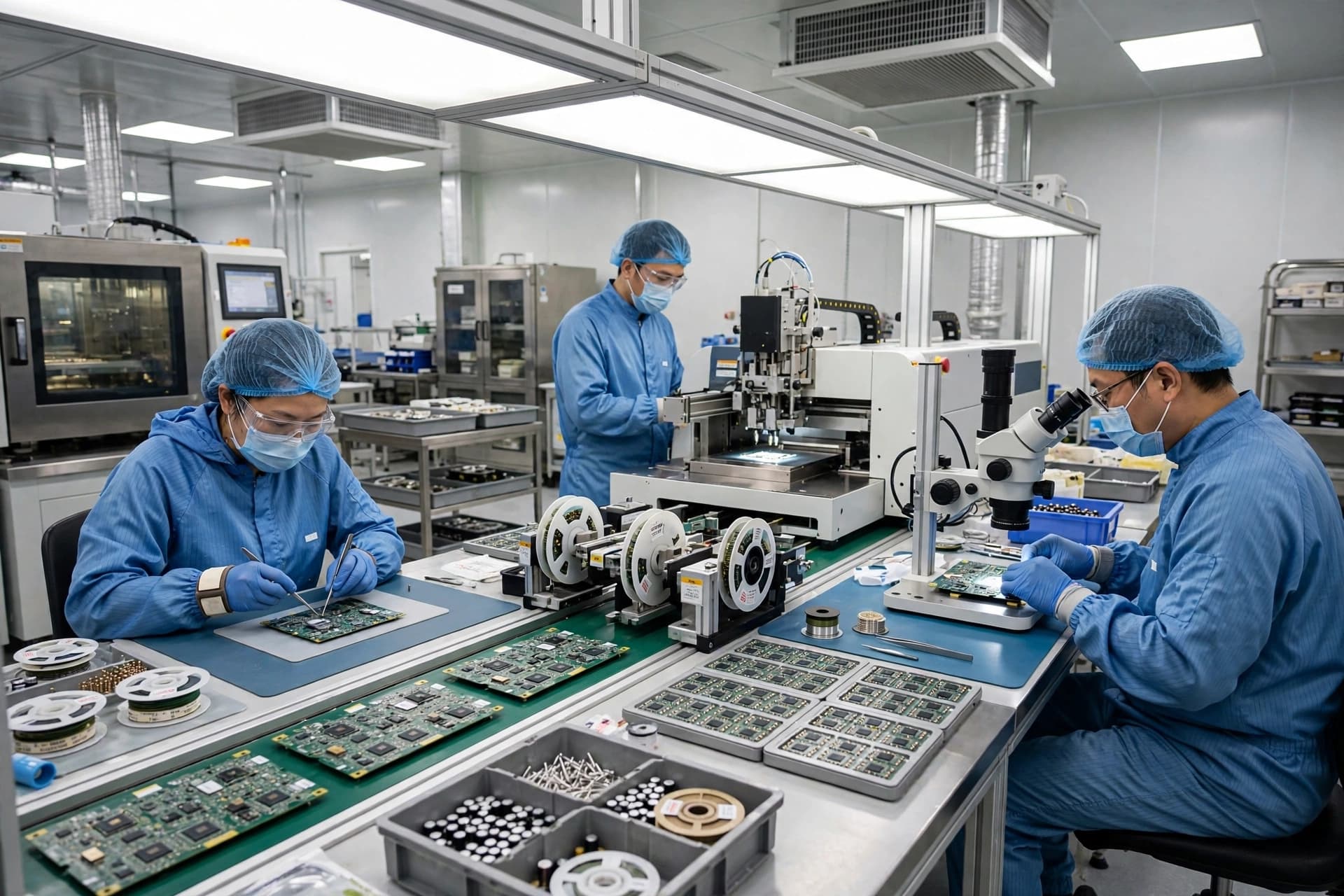
There are moments in economic rhythms that feel a bit like standing by a river in late winter: the surface may seem slow, the current subdued, yet beneath lies motion that suggests spring will come again. In late January, China’s manufacturing sector presented precisely such a picture — a slight contraction in headline data that invited both reflection and deeper attention. Official statistics showed that the purchasing managers’ index (PMI) for manufacturing dipped to 49.3 in January, a figure just below the 50 threshold that marks expansion versus contraction. Yet within that seemingly cool surface, parts of the industrial stream continued to flow with quiet strength.
The broader manufacturing PMI slip in January was attributed partly to seasonal factors and weaker overall demand, a phenomenon familiar to many factories emerging from the rhythm of the Lunar New Year and the natural lull that precedes the year’s new cycle. Analysts and statisticians alike noted that production, while softer than in December, did not collapse entirely; indeed, segments such as high-tech manufacturing maintained readings above 50, a sign of continued vitality in areas tied to innovation and long-term competitiveness.
Other measures, including equipment manufacturing, also stayed in expansionary territory, hinting that not all wheels turned slower in January. Even the expectations index — gauging how businesses see their future operations — remained comfortably above the midpoint. Such subtleties in the data suggest that while headline indicators softened, underlying confidence and pockets of activity may be more resilient than the surface number implies.
At the same time, the data remind us that the Chinese economy — like many others — moves to multiple rhythms at once. Weak domestic demand weighs gently on output figures, and export orders showed signs of cooling as well. These elements conjure an image of a broad landscape that is unevenly lit: some valleys soar with growth, others sit in shadow.
Yet the narrative of resilience is not simply a matter of optimism; it emerges from how different strands of the manufacturing tapestry weave together. High-tech industries and certain specialized equipment producers managed to sustain expansion, suggesting that parts of China’s industrial base may be better positioned for long-term adaptation even when cyclic factors temper aggregate numbers.
Viewed through this reflective lens, the story of January’s numbers becomes less a stark contraction and more a reminder of the distinct seasonal and structural dynamics that shape economic life. Market watchers, policymakers, and manufacturers themselves are likely to see this blend of softness and strength as they refine expectations for the coming months.
As investors and analysts absorb these readings, the headline will be the modest dip below the growth threshold — a fact on display in official PMI figures — but the broader context suggests a sector that still harbors steady currents under a cool January surface.
AI Image Disclaimer (rotated wording) *Graphics are AI-generated and intended for representation, not reality.*
Source Check — Credible Sources Found China Daily Reuters South China Morning Post Investing.com / Business Today
Published by Banx Network. This article is part of the Banx decentralized media programme, powered by the BXE token on the XRP Ledger.