There are moments when progress feels like watching the first light touch the horizon — gentle, reflective, and quietly powerful. In the lush, green expanses of northern Malaysia, the earth was recently stirred in just such a moment: shovels met soil with ceremonial purpose, marking the beginning of a new chapter in a story that bridges continents, cultures, and the ever-evolving world of energy. This ground-breaking is more than soil turned; it is symbolic of how technologies and materials that once seemed distant from everyday life are becoming grounded in new landscapes and communities.
For more than three decades, Shenzhen Capchem Technology — a company rooted in the chemistry of lithium-ion battery materials — has been building its expertise in electrolytes and other functional materials. These products, though unseen by most, are essential elements of the batteries that power phones, vehicles, and grid-scale storage — the pulsing hearts of a world increasingly attuned to renewable energy and electrified mobility. Capchem’s earlier facilities in China and abroad have helped it grow into a global supplier, but this latest step in Malaysia signifies a deeper engagement with a region that is itself fast becoming central to the future of clean energy and manufacturing.
In mid-January, Capchem held a ceremonial groundbreaking for its new battery electrolyte production base in Kulim Hi-Tech Park, located in the Malaysian state of Kedah. Among dignitaries from Malaysian investment and local government bodies were representatives of both Chinese and Malaysian stakeholders, underscoring how such projects are woven into a larger tapestry of international cooperation and economic development.
The choice of Malaysia for this investment reflects more than just geography. Southeast Asia has emerged as a strategic region for the broader battery supply chain, as companies seek to place production closer to growing markets and ecosystems of battery cell manufacturers and automotive partners. Analysts have noted that Chinese battery industry players are increasingly expanding across Southeast Asia so as to diversify operations and meet local demand more effectively.
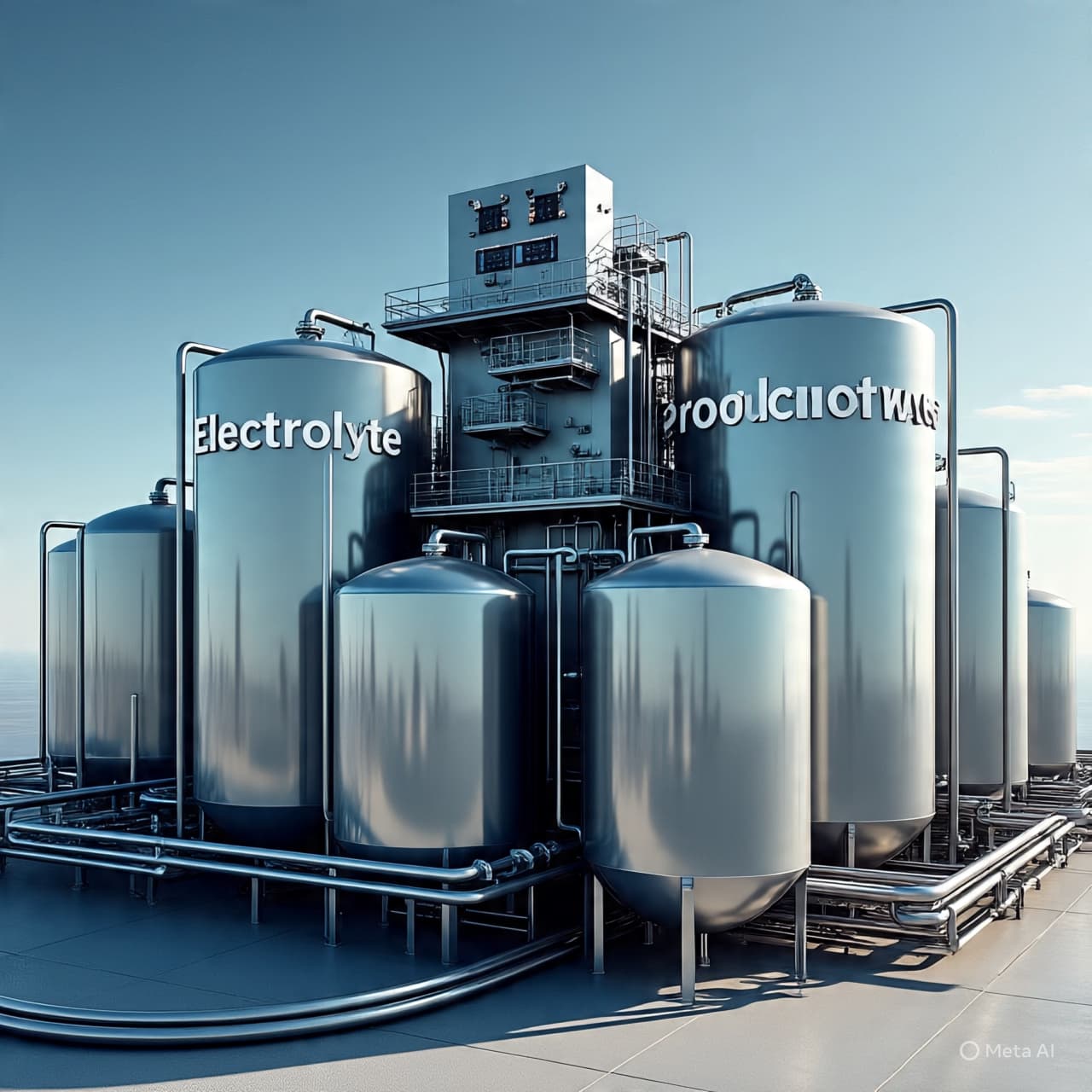
Capchem’s new base, set to begin operations in the fourth quarter of 2026, will initially have an annual production capacity of around 30,000 tonnes of battery electrolyte — a core liquid component that allows ions to move between electrodes in lithium-ion cells. This localized production is expected to support both the Malaysian domestic market and nearby regional customers, smoothing supply chains and mitigating some of the logistical challenges associated with long-distance transport of sensitive materials.
Within the global context of battery materials, the demand for high-quality electrolytes has grown alongside the adoption of electric vehicles, renewable energy storage systems, and portable electronics. Companies large and small are investing in expanded capacity and new technologies to meet this surge, and Capchem’s move into Malaysia is part of this broader trend toward regional manufacturing hubs.
But beyond the numbers and the capacities lies a thoughtful story about adaptation. For local workers, engineers, and supply-chain partners, the new facility promises opportunities for participation in a cutting-edge segment of the energy transition. Programs to cultivate talent and build up local industrial expertise were cited as part of the project’s long-term vision, suggesting that this is not merely an economic venture, but a contribution to the slower, steady cultivation of skills and knowledge that endure beyond bricks and mortar.
In these early days, as the steel and concrete plans are only just beginning to rise from the ground, there is a sense of quiet anticipation. The process from groundbreaking to production — from potential to reality — is measured in seasons and months rather than moments. Yet in this gradual unfolding, there is reflection on how technology travels, settles, and becomes part of new communities, connecting the aspirations of innovators in far-off labs to the everyday rhythms of life in a Malaysian high-tech park.
In straight news terms, Shenzhen Capchem Technology Co., Ltd., through its subsidiary Novolyte Technology Sdn. Bhd., held a groundbreaking ceremony on January 19, 2026, for a new battery electrolyte production base at Kulim Hi-Tech Park in Kedah, Malaysia. The plant is projected to begin operations in late 2026 with an initial capacity of 30,000 tonnes per year, aiming to serve the Malaysia and Southeast Asian new energy market and enhance regional supply chain resilience.
AI Image Disclaimer (Rotated Wording)
“Visuals are created with AI tools and are not real photographs.”
---
📚 Sources
Sina Finance
Mysteel
Capchem official newsroom
Industry context reporting (battery expansion) trend reporting on electrolytes
Published by Banx Network. This article is part of the Banx decentralized media programme, powered by the BXE token on the XRP Ledger.