Night has a way of compressing the world.
Cities become outlines. Voices fall into murmurs. Decisions, once debated under bright conference lights, move quietly through corridors where only a few know their weight.
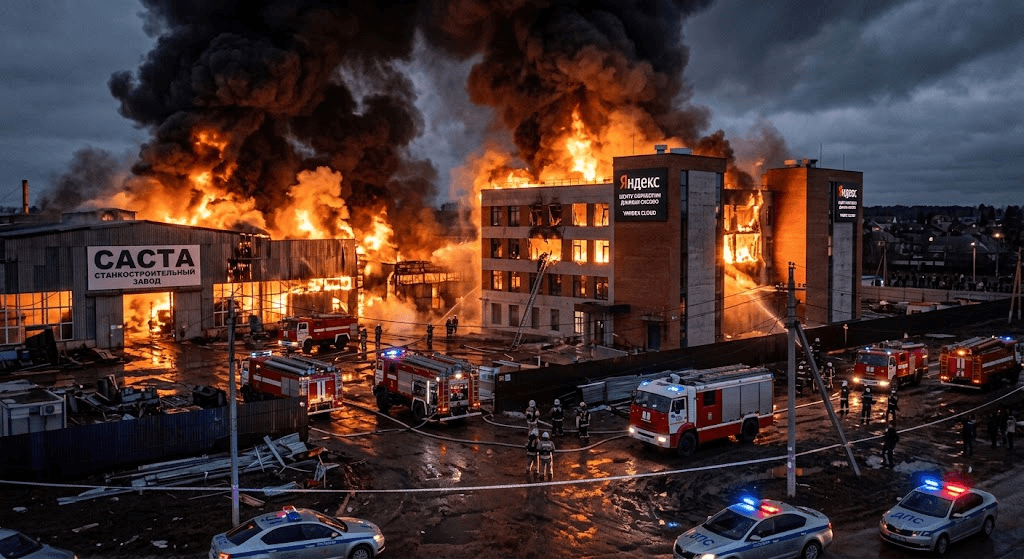
Somewhere inside those corridors, far from the streets of Caracas, lines of code were reportedly part of a chain of events that ended with violence, destruction, and a stunned international audience.
Recent reporting indicates that the United States military used an artificial intelligence model known as Claude during an operation aimed at capturing Venezuelan leader Nicolás Maduro. The operation involved strikes in the Venezuelan capital and resulted in dozens of deaths, according to accounts from Venezuelan authorities.
Claude is developed by Anthropic, a firm that has publicly emphasized safety-focused development and strict usage policies. Those policies prohibit the use of its models for violent wrongdoing, weaponization, or mass surveillance.
Yet modern warfare no longer lives solely on battlefields.
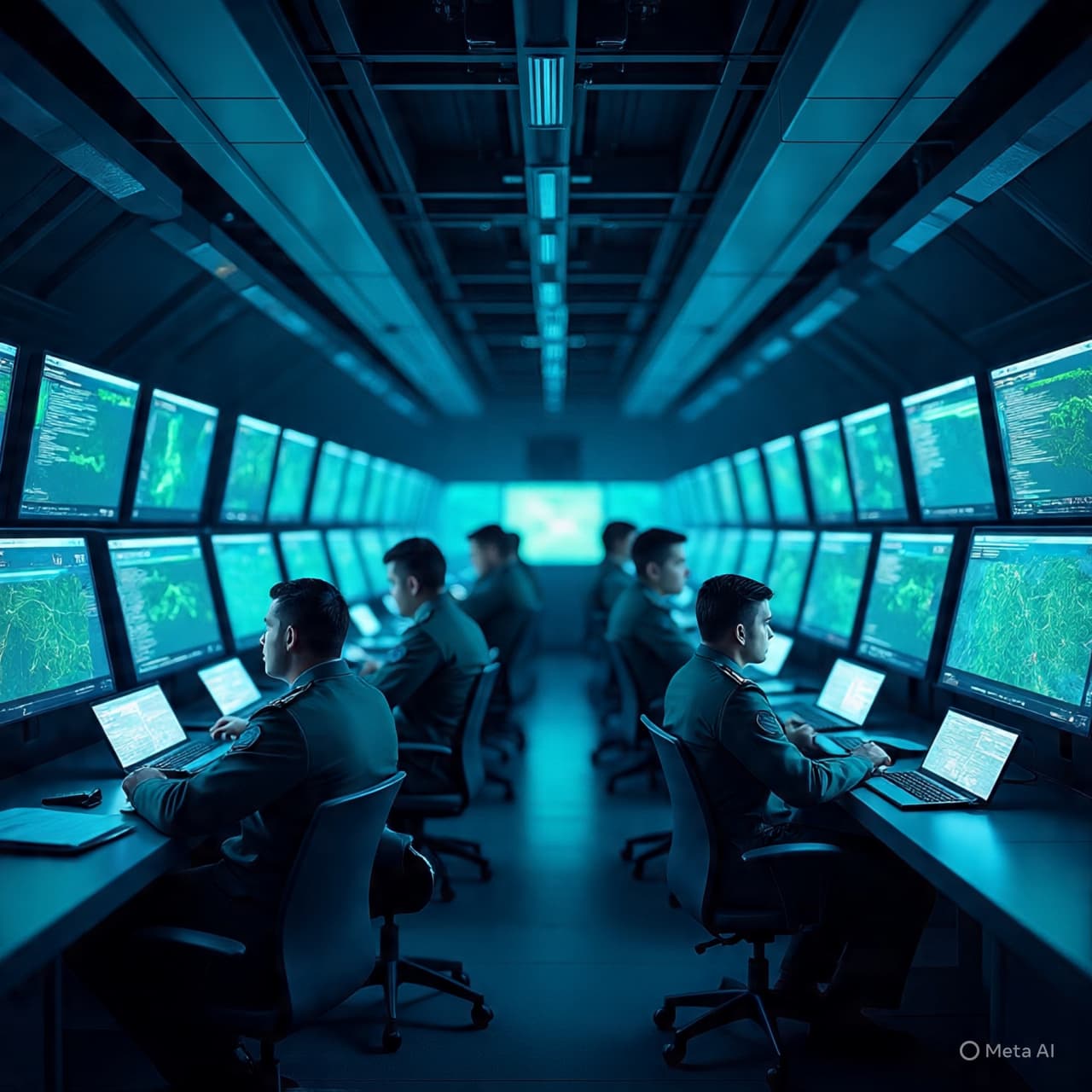
It lives in data centers, in encrypted channels, in the quiet collaboration between software platforms and defense infrastructure. In this case, the tool was reportedly accessed through a partnership between Anthropic and Palantir Technologies, a long-standing contractor with deep ties to U.S. intelligence and military agencies.
Neither the U.S. Department of Defense nor Palantir has publicly detailed how the system was used. Anthropic has said only that any use of its technology must comply with its policies and that the company continues to evaluate appropriate safeguards.
The absence of specifics leaves space for unease.
Artificial intelligence, in its most visible form, writes emails, summarizes documents, and answers questions. In its quieter form, it analyzes patterns, flags anomalies, and helps humans see connections they might otherwise miss. When placed inside military planning, those same abilities can shape targeting assessments, logistics, and operational timing.
The distinction between assistance and participation becomes difficult to draw.
If a machine helps organize information that leads to a strike, where does responsibility rest? With the tool? With its creators? With the humans who interpret its outputs?
These questions are no longer theoretical.
The reported use of Claude marks one of the clearest signals yet that commercial AI systems are drifting closer to the core of armed conflict. Not as autonomous weapons, but as thinking instruments inside decision-making loops.
For technology companies, the moment carries a quiet reckoning. Many have built their public identities around caution, ethics, and guardrails. But partnerships with defense institutions pull those ideals into environments where urgency often outruns philosophy.
For governments, the temptation is obvious. In a world of accelerating threats, any advantage—especially one that processes information faster than humans—feels indispensable.
For civilians, the change is harder to see.
There is no visible difference between a missile launched with AI-assisted planning and one planned without it. The impact feels the same. The rubble looks the same. The grief sounds the same.
What changes is the story underneath.
A story where war is no longer only a human enterprise, but a hybrid one. Part instinct. Part policy. Part algorithm.
The operation in Caracas may fade from headlines. Official statements may remain measured. Corporate responses may stay carefully worded.
But a line has quietly been crossed.
Not with a dramatic announcement. Not with a single groundbreaking invention.
Simply with a tool, built for conversation and analysis, finding a place inside the architecture of force.
Published by Banx Network. This article is part of the Banx decentralized media programme, powered by the BXE token on the XRP Ledger.