Screens often begin as quiet surfaces, holding within them the potential for motion, color, and narrative. Recently, Google has unveiled an update to its Veo model, a tool designed to transform reference images into vertical videos, now capable of producing content in 4K resolution. This development signals a subtle shift in how artificial intelligence can extend the life and motion of still imagery.
The updated model works by analyzing reference images and extrapolating depth, perspective, and movement to produce video sequences in a vertical format suited for modern viewing habits. Vertical video, once a limitation of handheld devices, has become a preferred format for social media and mobile platforms, and the technology reflects an alignment between AI capability and user preference.
4K upscaling, integrated into this iteration of Veo, enhances the visual fidelity of generated content. Fine details, textures, and color gradients are preserved or enhanced, ensuring that the resulting videos can meet the demands of both casual and professional creators. This allows for high-resolution output that can be shared widely without significant quality loss.
Applications of this technology extend across media production, marketing, and content creation. Creators can now generate engaging vertical video sequences from single images, offering a new tool for storytelling and dynamic presentation. By leveraging AI, sequences that once required extensive filming or manual animation can now emerge in minutes, though with oversight to maintain realism and context.
At the same time, experts emphasize the importance of mindful use. AI-generated videos should respect copyright, privacy, and ethical considerations. The ability to synthesize motion from images carries both creative potential and responsibility, particularly in public-facing media.
In practical terms, the updated Veo model provides creators with a means to expand their visual repertoire: turning static images into compelling vertical narratives with 4K clarity, reducing production time while increasing creative flexibility. This tool exemplifies the evolving interface between artificial intelligence and visual storytelling, where technology amplifies imagination without replacing it.
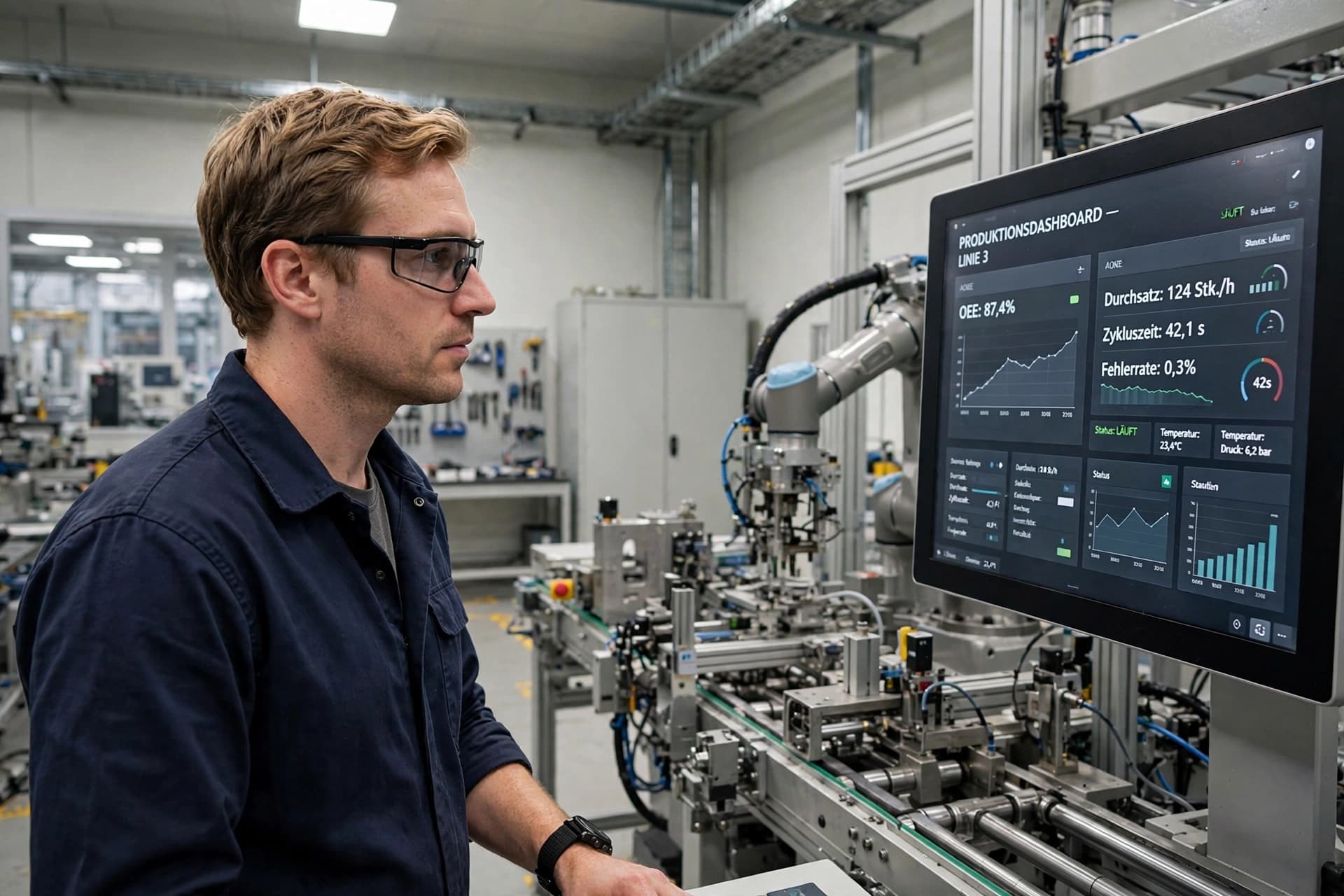
AI Image Disclaimer Visuals are AI-generated and serve as conceptual representations.
Sources (names only) Google AI Blog The Verge TechCrunch Engadget Digital Trends
Published by Banx Network. This article is part of the Banx decentralized media programme, powered by the BXE token on the XRP Ledger.