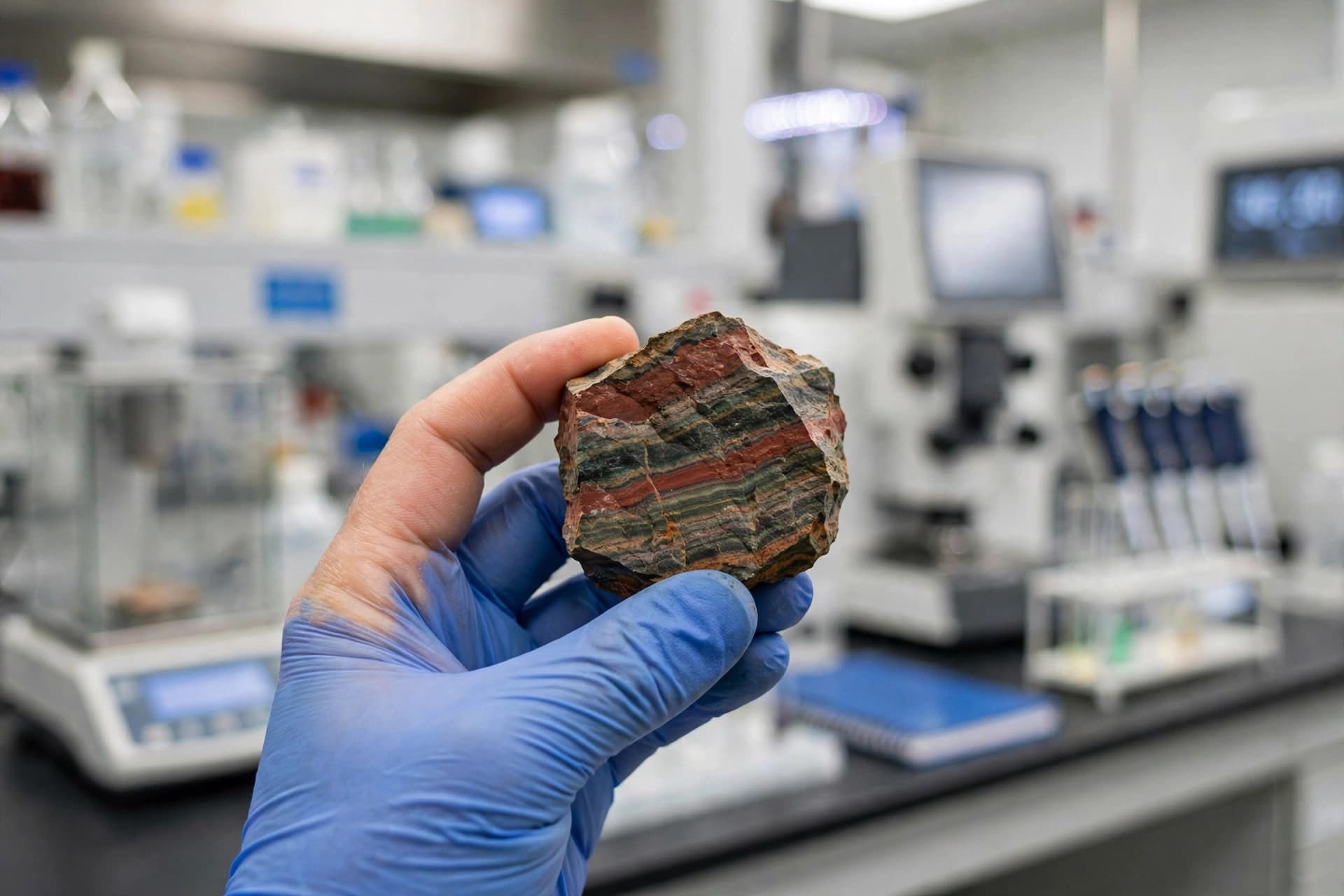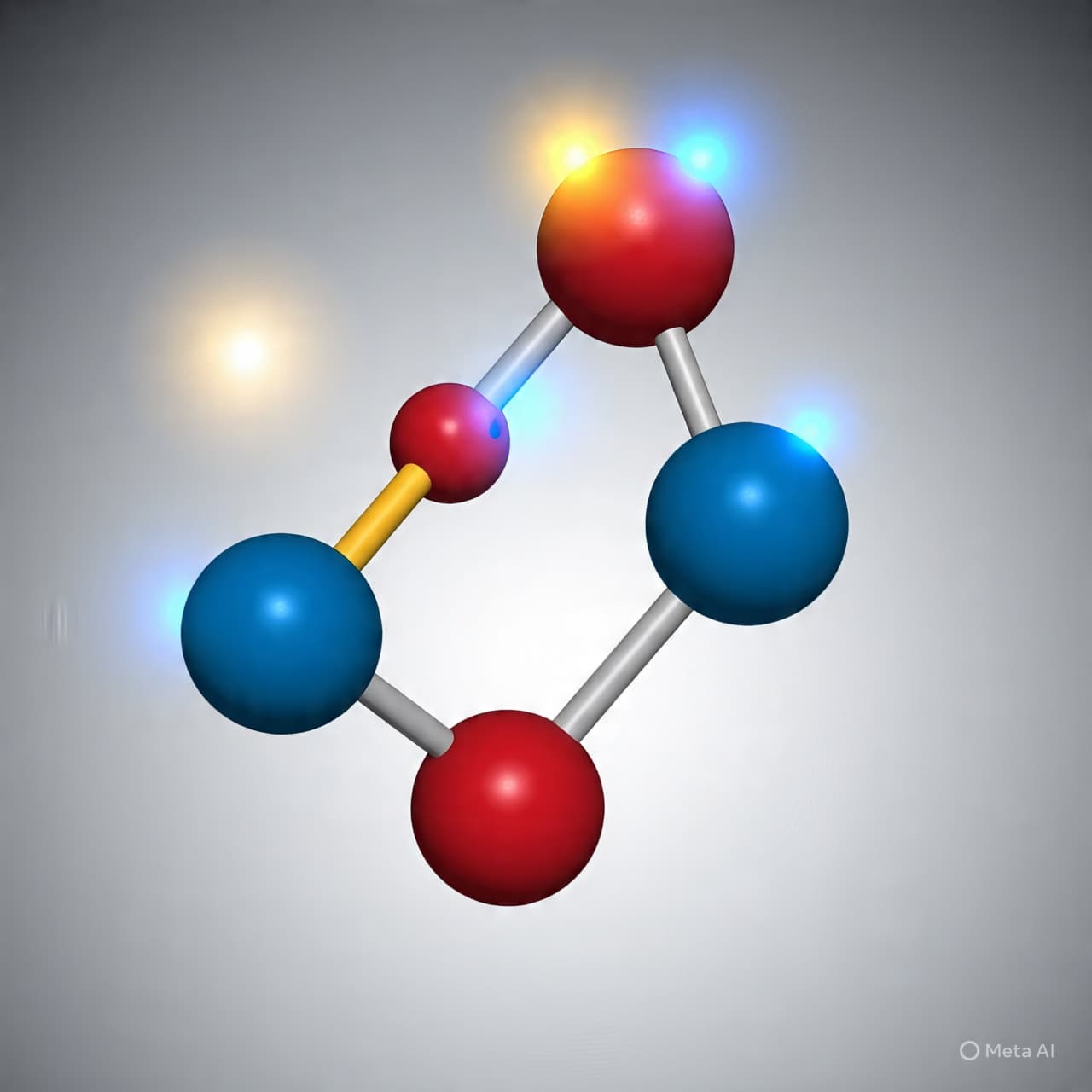
For much of modern chemistry, the smallest structures have often carried the largest mysteries. On laboratory blackboards and within dense research papers, scientists have long sketched molecules that seemed to exist only in theory—shapes predicted by the logic of electrons and bonds but rarely glimpsed in physical form. These hypothetical structures lived quietly in the margins of chemistry, acknowledged yet unresolved, like distant constellations whose light had not quite reached the telescope.
Over time, some of these molecules became part of the discipline’s quiet folklore. They were believed to appear fleetingly during chemical reactions—particularly those involving oxidation, where atoms exchange electrons and bonds rearrange in rapid, often unstable ways. But direct proof of their existence remained elusive.
Now, after decades of speculation, researchers have confirmed the existence of a molecule that had long been suspected to appear during oxidation reactions. The discovery comes from advances in modern experimental chemistry, where increasingly sensitive instruments allow scientists to stabilize and observe molecules that once existed only for fractions of a second.
The newly confirmed structure belongs to a class of highly reactive molecules that challenge many assumptions about how atoms prefer to bond. Chemists have shown that these molecules can exist, at least briefly, under carefully controlled laboratory conditions, providing the first clear evidence that theoretical predictions about their formation were correct.
In some cases, such discoveries require extraordinary experimental conditions. Researchers often work with extremely small quantities of rare materials, specialized vacuum systems, or environments carefully shielded from oxygen and moisture. These precautions are necessary because many of the molecules involved are highly unstable and can disappear almost as quickly as they form.
The confirmation of such elusive molecules represents more than a technical achievement. For chemists, it also resolves long-standing questions about how certain reactions proceed. Molecules once considered merely hypothetical intermediates can now be studied directly, helping researchers understand the pathways that chemical reactions follow as electrons shift and bonds rearrange.
Recent work in molecular chemistry has increasingly revealed that many long-accepted “rules” about chemical structures are more flexible than once believed. Researchers have demonstrated molecules with unusual bonding patterns and geometries that earlier generations thought impossible, expanding the range of structures scientists can design and synthesize.
These discoveries have implications that extend beyond theory. Understanding unusual molecular forms can influence fields ranging from materials science to pharmaceutical chemistry, where controlling chemical reactions at the molecular level is essential.
In laboratories around the world, the quiet work of molecular discovery continues—often far from public attention. Yet each time a theoretical molecule steps into measurable reality, the periodic table and the chemistry built upon it become slightly richer, and the once-imagined structures of textbooks gain substance.
Researchers say the confirmation of this molecule provides new insight into the mechanisms of oxidation reactions and the behavior of unstable chemical intermediates, offering scientists a clearer view of processes that occur across chemistry, biology, and industrial reactions.
AI Image Disclaimer Illustrations were generated using artificial intelligence and represent conceptual depictions rather than actual photographs.
Source Check
ScienceDaily Phys.org Lawrence Berkeley National Laboratory Live Science Nature Chemistry
Published by Banx Network. This article is part of the Banx decentralized media programme, powered by the BXE token on the XRP Ledger.