In the quiet hours before dawn breaks over the ring of mountains that embrace Ranah Minang, there lies a stillness that reflects both the calm after heavy rains and a longing for renewal. For the people of Sumatera Barat, that calm has been hard-won and hard-felt after floods and landslides reshaped landscapes, livelihoods, and the rhythms of everyday life. Like rivers that have changed their course yet continue to flow, local leaders now seek resources that can help guide recovery, turning to familiar wells of support with a humble request: that funds once shifted away might be restored to the communities that need them most.
The issue at hand revolves around Dana Transfer ke Daerah (TKD) the central government’s mechanism for sharing revenue with Indonesia’s regions. In late 2025, a proposal to reduce the TKD allocation for the province by as much as Rp2.6 trillion raised concerns among officials and residents alike, especially at a time when recovery from widespread hydrometeorological disasters remains ongoing. Faced with the scale of rehabilitation needed for housing, roads, and basic infrastructure, Sumbar’s leaders sought a reassessment of that budget cut and instead appealed for the funds to support disaster response efforts.
Wakil Gubernur Sumatera Barat, Vasko Ruseimy, reached out directly to the Vice Speaker of Indonesia’s House of Representatives, Sufmi Dasco Ahmad, expressing the sentiments of a community still healing. Through video call conversations, he conveyed how vital the TKD funds are for the province’s continued recovery, and he voiced the hope that the legislature and executive could recognize the importance of maintaining or restoring that fiscal support.
This appeal was not isolated. Across parts of Sumatra, including North Sumatra and Aceh, regional leaders have similarly underscored how natural disasters strain local budgets and capacities, making the availability of adequate TKD a pressing concern for recovery planning. In response to these concerns, the Ministry of Finance later announced that it would not move forward with the planned cuts to Sumbar’s TKD funding a development welcomed by the provincial government and its residents.
The dialogue between local and national representatives reflects a broader truth in public life: when communities are most vulnerable, the flow of resources whether fiscal or human becomes a lifeline. In Sumatera Barat, leaders have not merely requested a reversal but have invited shared understanding of the burdens that remain. They emphasize that while recovery has made strides, the work of rebuilding roads, restoring homes, and rekindling local economies continues to require stable and sufficient financial support.
These conversations about TKD also resonate with deeper questions about governance in times of strain: how regional voices are heard in national policymaking, how budgets reflect lived realities on the ground, and how cooperation across levels of government can help communities transition from emergency response to long-term resilience. In this interplay, there is a reminder of the ongoing journey from crisis back to continuity a process that is as much about care as it is about calculation.
In gentle terms, provincial leaders stress that restoring or preserving TKD funds is not only a matter of numbers on a budget sheet, but also a gesture toward mutual support when geography and weather have tested shared commitments. In the coming months, as reconstruction proceeds with the support of government agencies, community groups, and external aid, the recalibrated TKD approach will remain a significant part of how Sumatera Barat navigates recovery and renewal.
In straight reporting from Padang and Jakarta, the government of Sumatera Barat has requested that central authorities reverse planned cuts to the province’s Transfer ke Daerah (TKD) budget for 2026 to support ongoing disaster recovery efforts after recent floods and landslides. Officials say the funding is essential for rehabilitation and that the Ministry of Finance has confirmed that the proposed reductions will not proceed.
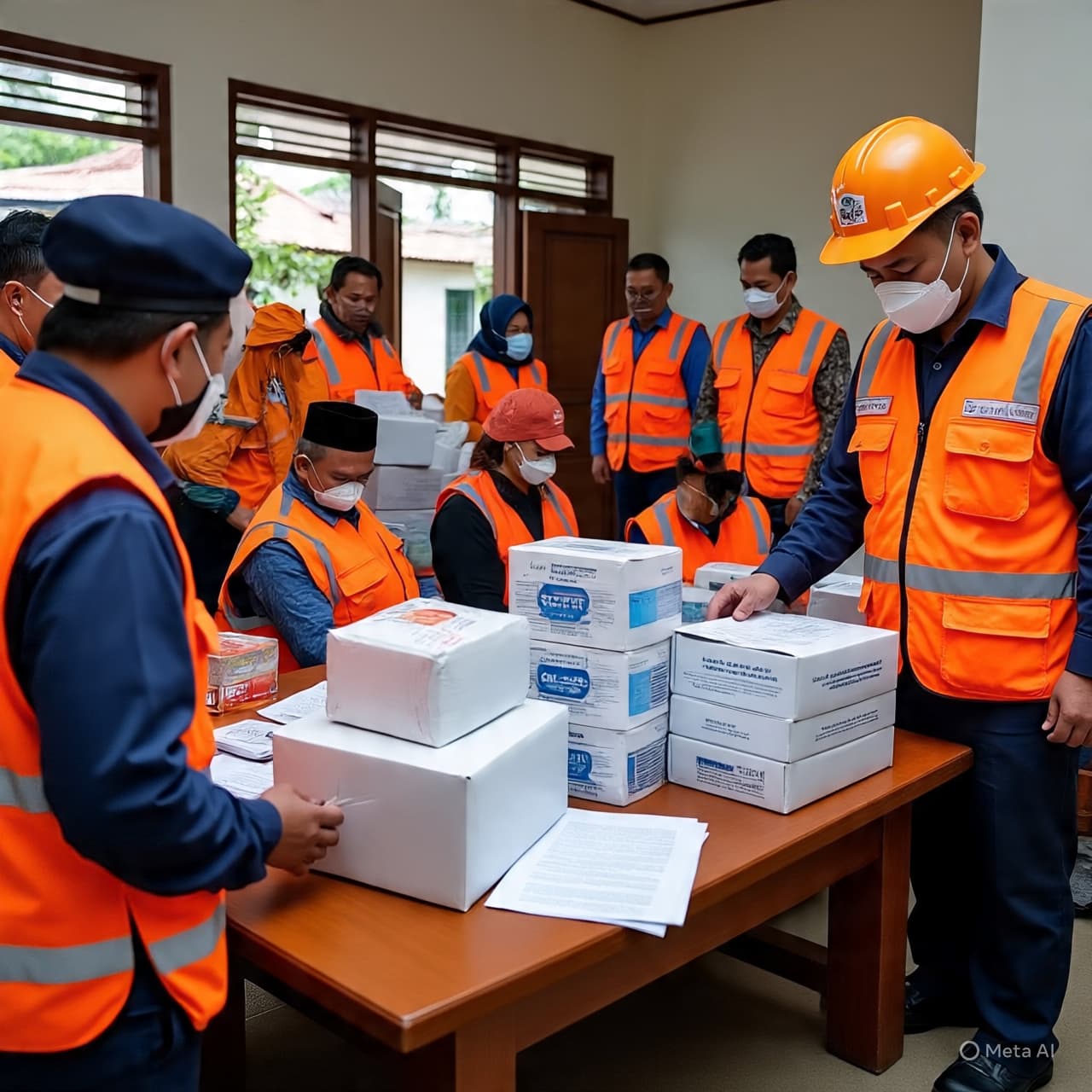
AI Image Disclaimer (Rotated Wording) Visuals are created with AI tools and are not real photographs; they are intended to support concept visualization only.
Sources (news media names):
• ANTARA News
• Detik News
• Padangkita.com
• TOPSUMBAR
• Asianews.net
Published by Banx Network. This article is part of the Banx decentralized media programme, powered by the BXE token on the XRP Ledger.