Far below the reach of sunlight, where pressure folds steel and silence feels almost physical, life continues in patient rhythms. The deep sea has long been imagined as distant and resilient, a world insulated from surface urgency. Yet even in that remote darkness, change can arrive quietly—and leave numbers that ask difficult questions.
A recent study documenting a 37 percent decline in certain seafloor animal populations has drawn renewed attention to the ecological implications of deep-sea mining. The figure does not shout; it does not dramatize. It simply rests there, measured and precise, inviting reflection.
Deep-sea mining focuses largely on polymetallic nodules—potato-sized mineral deposits rich in cobalt, nickel, manganese, and copper. These materials are increasingly sought after for batteries and renewable energy technologies. Vast nodule fields, particularly in the Clarion-Clipperton Zone of the Pacific Ocean, have become central to exploration efforts.
To understand potential ecological consequences, researchers have examined areas previously disturbed by experimental mining tests conducted decades ago. By comparing these sites with undisturbed control zones, scientists observed that populations of slow-growing benthic organisms—such as sea cucumbers, sponges, and certain worm species—remain significantly reduced. In some locations, total animal abundance was roughly 37 percent lower than in untouched areas, even after many years.
The deep sea operates on a different clock. Many organisms grow slowly, reproduce infrequently, and rely on stable sediment layers built over centuries. When mining equipment disturbs the seabed—removing nodules and stirring plumes of sediment—the habitat itself is altered. For species that attach to nodules or depend on their presence for shelter, recovery may be prolonged.
Sediment plumes present another dimension of concern. Fine particles can drift beyond immediate mining sites, potentially affecting filter-feeding organisms and altering local chemistry. While models attempt to predict plume behavior, empirical observations remain limited, given the logistical challenges of long-term deep-ocean monitoring.
At the same time, proponents of deep-sea mining argue that sourcing critical minerals from the seabed could reduce terrestrial mining impacts, which often involve deforestation, water contamination, and human displacement. The conversation, therefore, is not framed solely as extraction versus preservation, but as a question of trade-offs and thresholds.
The 37 percent decline does not conclude the debate. Rather, it introduces evidence into a developing policy landscape. The International Seabed Authority continues to refine regulatory frameworks governing exploration and potential exploitation. Scientists are calling for expanded baseline studies, longer-term ecological monitoring, and precautionary approaches before commercial-scale operations proceed.
In measured terms, the study underscores that deep-sea ecosystems may be more vulnerable—and slower to recover—than once assumed. Research is ongoing, and additional findings are expected to inform international discussions in the coming years. The ocean floor remains distant from daily view, but its condition is increasingly part of global environmental consideration.
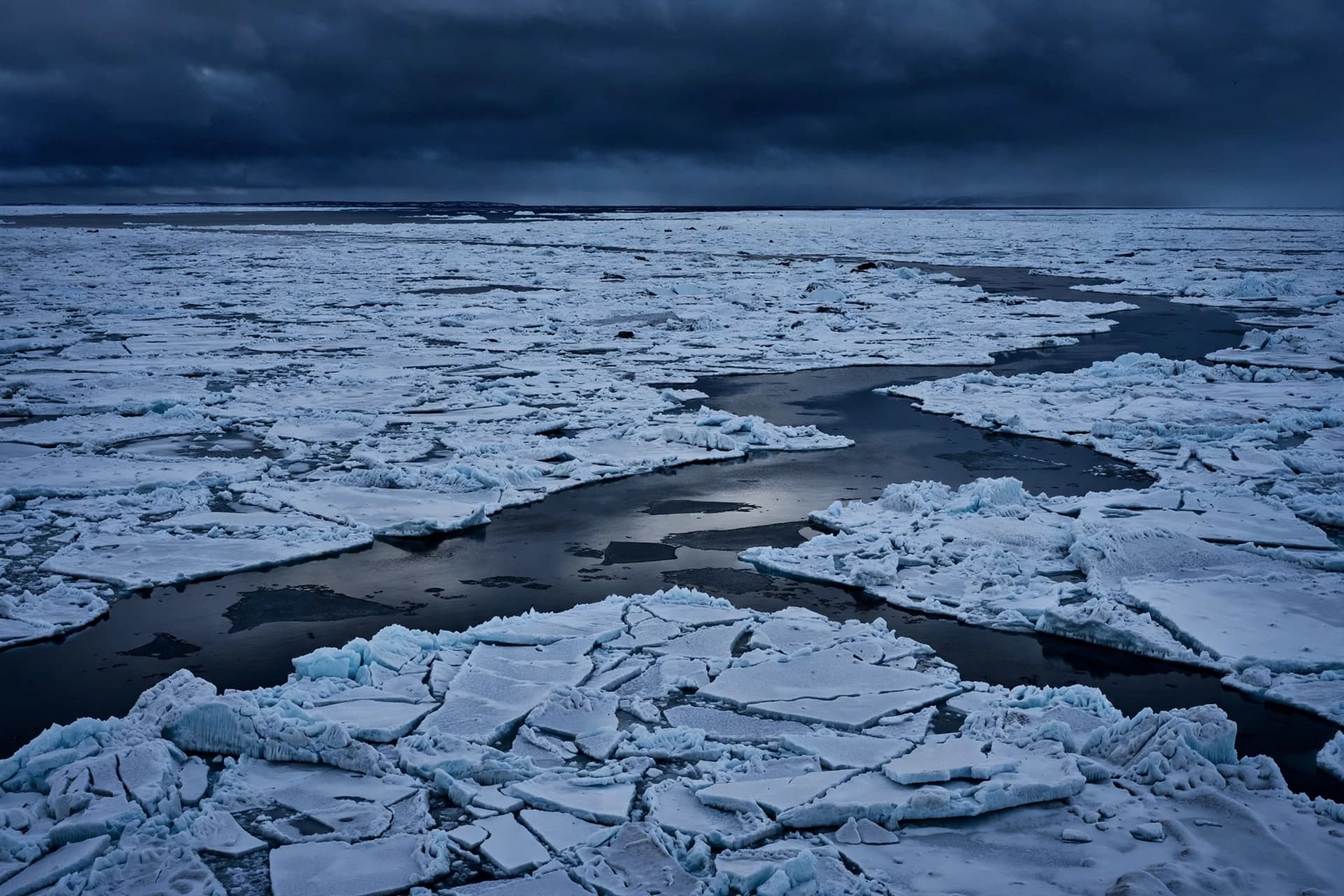
AI Image Disclaimer Graphics are AI-generated and intended for representation, not reality.
Source Check (Credible Media Coverage Identified): BBC News National Geographic Science News Nature The Guardian
Published by Banx Network. This article is part of the Banx decentralized media programme, powered by the BXE token on the XRP Ledger.