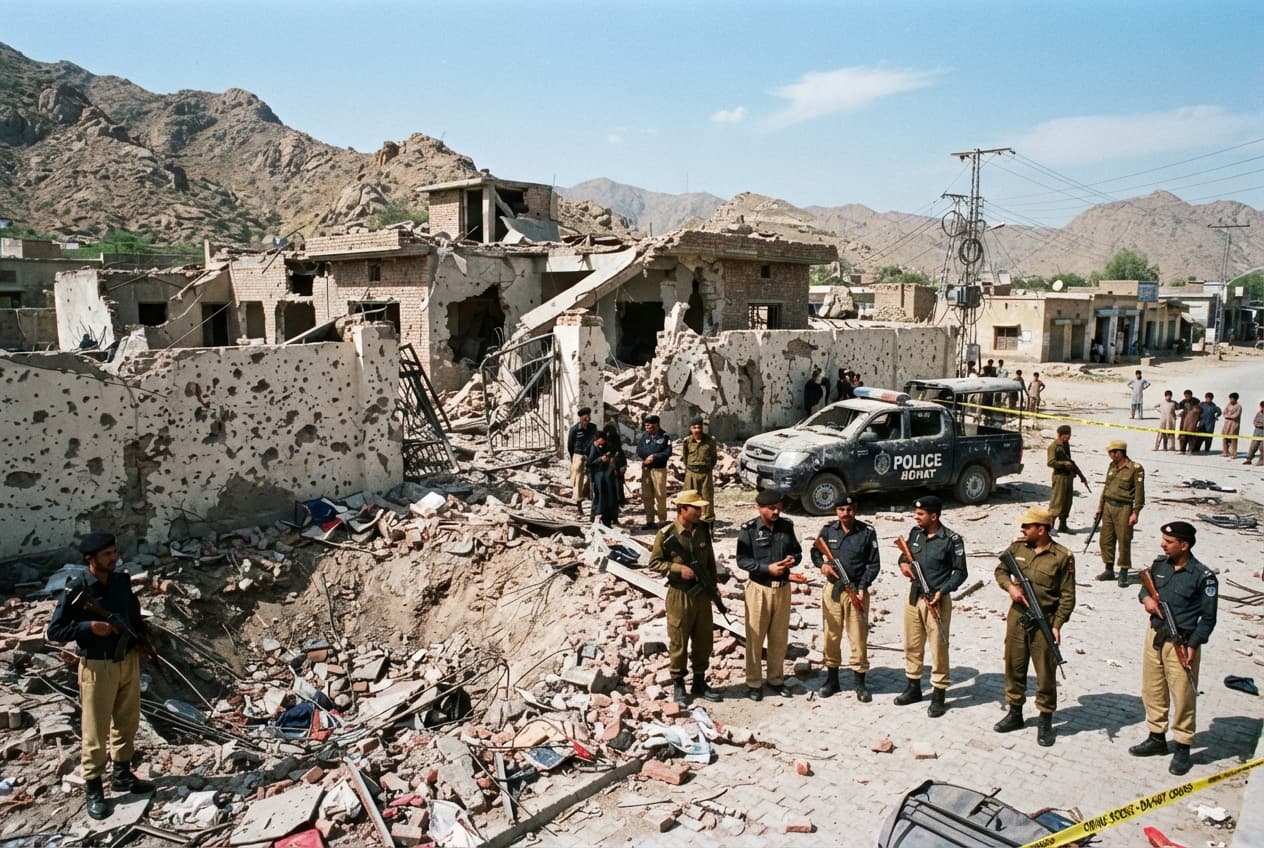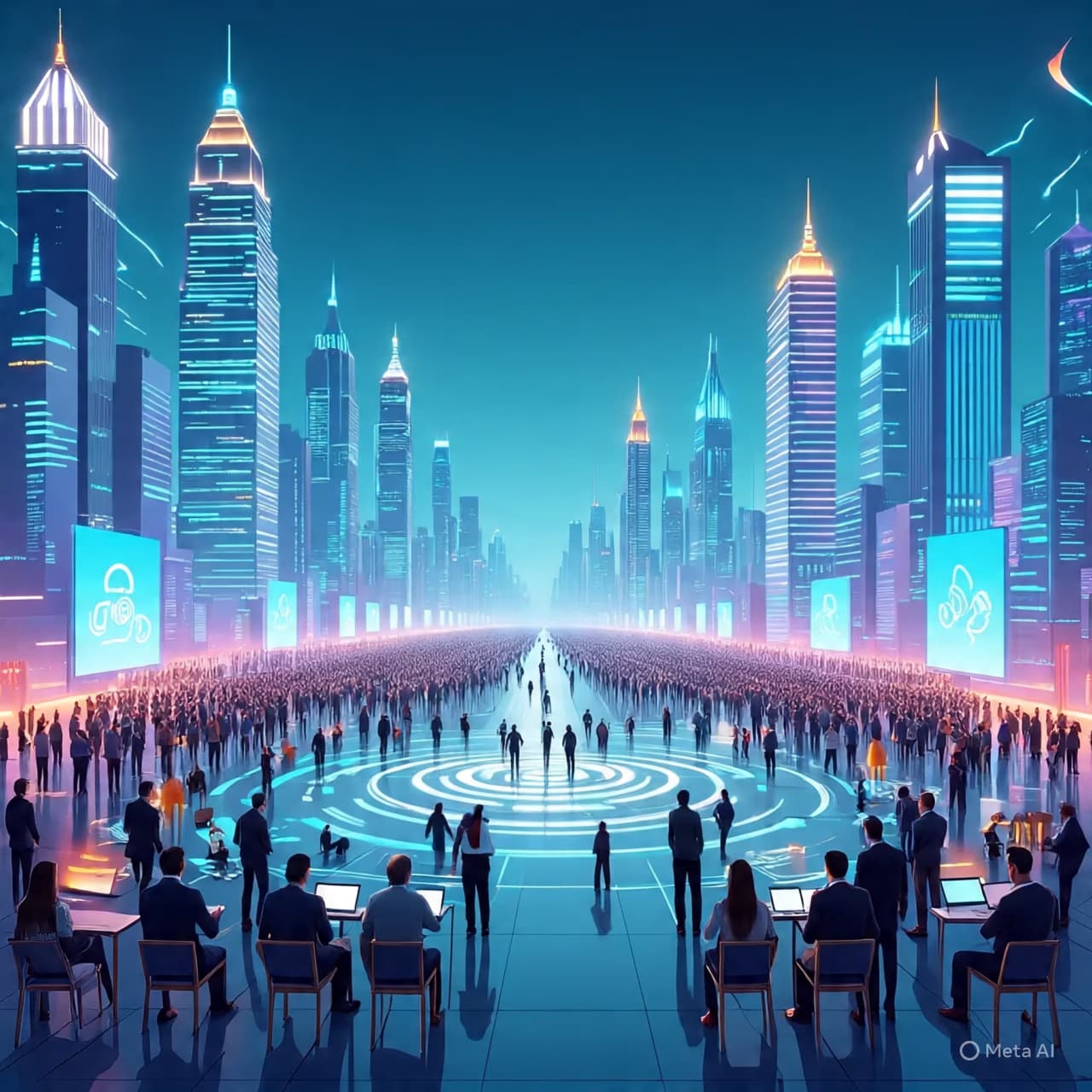
There’s a sense of possibility in the air, a kind of electric hum that feels both thrilling and unnerving. At India’s AI summit, the atmosphere is a curious blend of chaos and hope—a tempest of ideas swirling around with the ambition to reshape the future. It's as if the country is standing on the edge of a precipice, gazing out at a vast landscape of $200 billion dreams, each one promising to unlock the future of artificial intelligence in ways both profound and unpredictable. But as with any great leap forward, the path ahead is not without its uncertainties. The summit is alive with the sounds of excitement, but also confusion, as leaders, innovators, and dreamers try to chart their course through a field that promises both immense potential and peril. In the heart of India’s AI summit, amidst the grandeur of high-tech displays and grandiose talks, a critical question seems to float above all others: how do we harness the potential of artificial intelligence without letting it slip out of our control? It’s easy to get swept up in the numbers, in the promise of $200 billion, but the reality is far more complicated. While the optimism surrounding AI is palpable, there is also a quiet undercurrent of concern—a recognition that we’re standing at a precipice, unsure whether we’re leaping into the future or simply jumping into the unknown. What struck me most at the summit wasn’t just the dazzling array of technological marvels on display, but the collective sense of ambition that hung in the air. AI is seen not just as a tool for efficiency or innovation, but as the very fabric of the future economy. As India seeks to secure its place in the global AI race, there’s an underlying belief that artificial intelligence can be the engine that drives the country’s economic transformation. But with such ambition comes great responsibility—how can India, with its vast and diverse population, ensure that the benefits of AI are shared fairly, rather than being concentrated in the hands of a few? Amidst the discussions on ethical AI, automation, and digital infrastructure, one thing is clear: the dream of a $200 billion AI industry is not merely a vision—it’s a very real goal. Yet, as we listen to the lofty aspirations of leaders and technologists, there’s a subtle tension in the room. The AI race is not just about who builds the best technology, but who controls its direction. In India, where the promise of AI intersects with the country’s unique socio-economic landscape, the stakes are high. The potential for growth is enormous, but so too are the risks of inequality, exclusion, and misuse. In the end, the summit is a reflection of the dual nature of AI itself—its potential to transform lives, but also its capacity to disrupt. And as the dreams of a $200 billion industry are laid bare before us, there’s a reminder that the future we create will depend not just on our technological prowess, but on our ability to navigate the complexities of its impact on society. As India dreams big about its AI future, it faces the undeniable reality of the challenges that come with such ambition. The $200 billion industry may be within reach, but the journey to realizing it will require careful planning, ethical considerations, and a commitment to inclusivity. The chaos and confusion that marked the summit are not just reflections of the difficulties we face, but a sign of the vast potential ahead. As the country steps into this new era, one thing remains certain: AI will shape the future, but the direction it takes will be shaped by the decisions made today. AI Image Disclaimer: "Images in this article are AI-generated illustrations, meant for concept only." "Visuals are created with AI tools and are not real photographs." "Illustrations were produced with AI and serve as conceptual depictions." "Graphics are AI-generated and intended for representation, not reality." Sources: The Economic Times Business Today Hindustan Times TechCrunch Wired India
Published by Banx Network. This article is part of the Banx decentralized media programme, powered by the BXE token on the XRP Ledger.