In the quiet corridors of innovation, where design meets silicon, Apple is preparing to release a new line of AI server chips later this year. These processors are designed to accelerate artificial intelligence workloads, powering everything from machine learning models to advanced data processing in enterprise and cloud environments.
Apple’s chips aim to integrate high-speed computation, energy efficiency, and specialized AI cores to handle tasks like neural network training and inference. By focusing on dedicated hardware for AI, the company seeks to reduce reliance on third-party accelerators and optimize performance across its own ecosystem. Such integration could enable faster analytics, improved responsiveness for AI applications, and more efficient cloud services.
Industry analysts note that AI server chips are now a critical component in computing infrastructure. The ability to process vast amounts of data quickly determines how well services perform, from real-time language translation to image recognition. Apple’s entry into this market signals a commitment to controlling both the hardware and software layers of AI computation, a strategy that could reshape enterprise adoption and innovation.
Beyond performance, the move also reflects a broader trend: companies increasingly design purpose-built chips tailored to artificial intelligence rather than relying solely on general-purpose processors. The combination of Apple’s silicon expertise with AI-focused architectures could position the company as a key player in next-generation computing.
In practical terms, Apple is expected to launch AI-optimized server chips this year, designed to accelerate machine learning and data-intensive workloads while providing improved efficiency and performance across its hardware ecosystem.
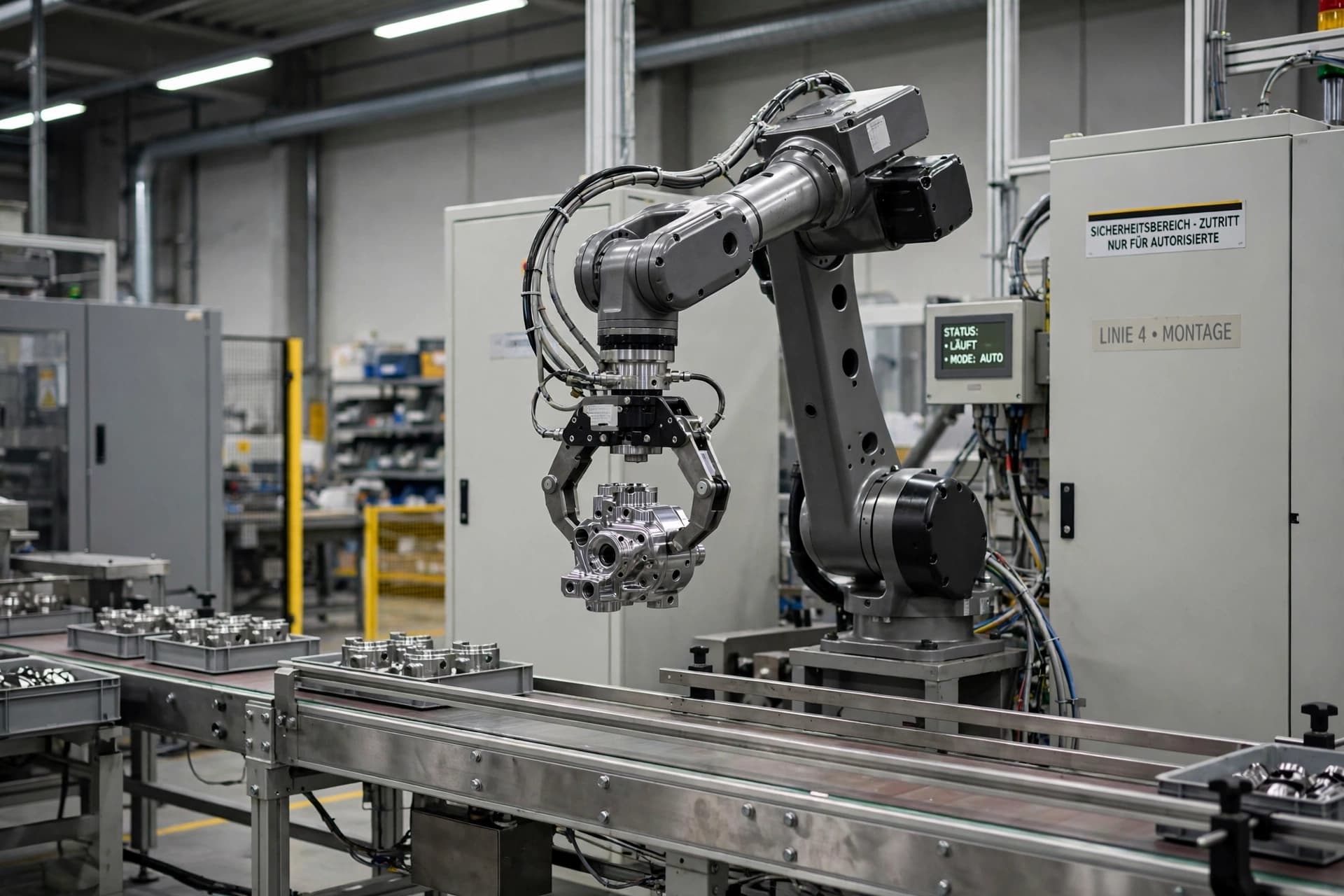
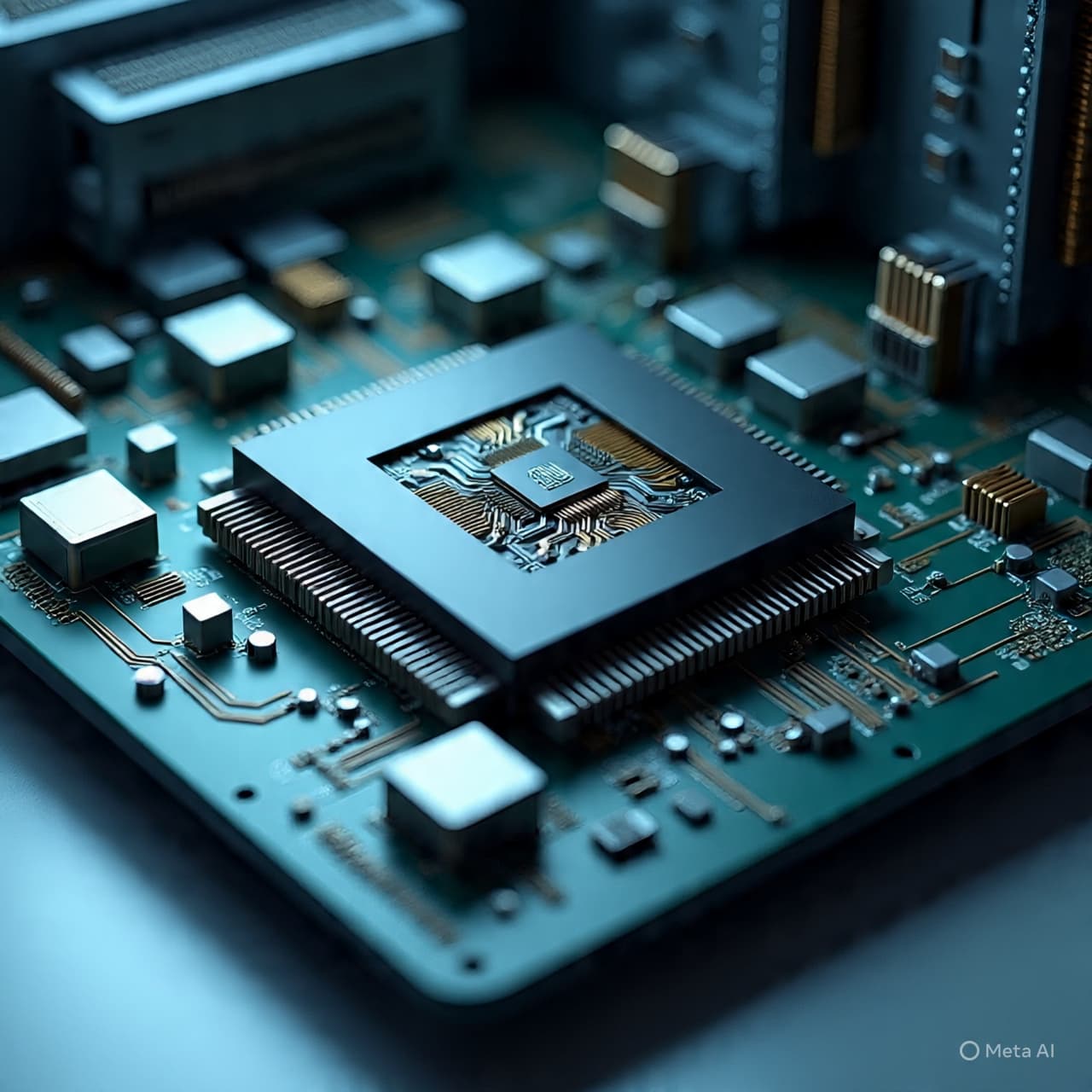
AI Image Disclaimer Visuals are AI-generated and serve as conceptual representations.
Sources (names only) The Verge Bloomberg TechCrunch Apple Newsroom CNET
Published by Banx Network. This article is part of the Banx decentralized media programme, powered by the BXE token on the XRP Ledger.