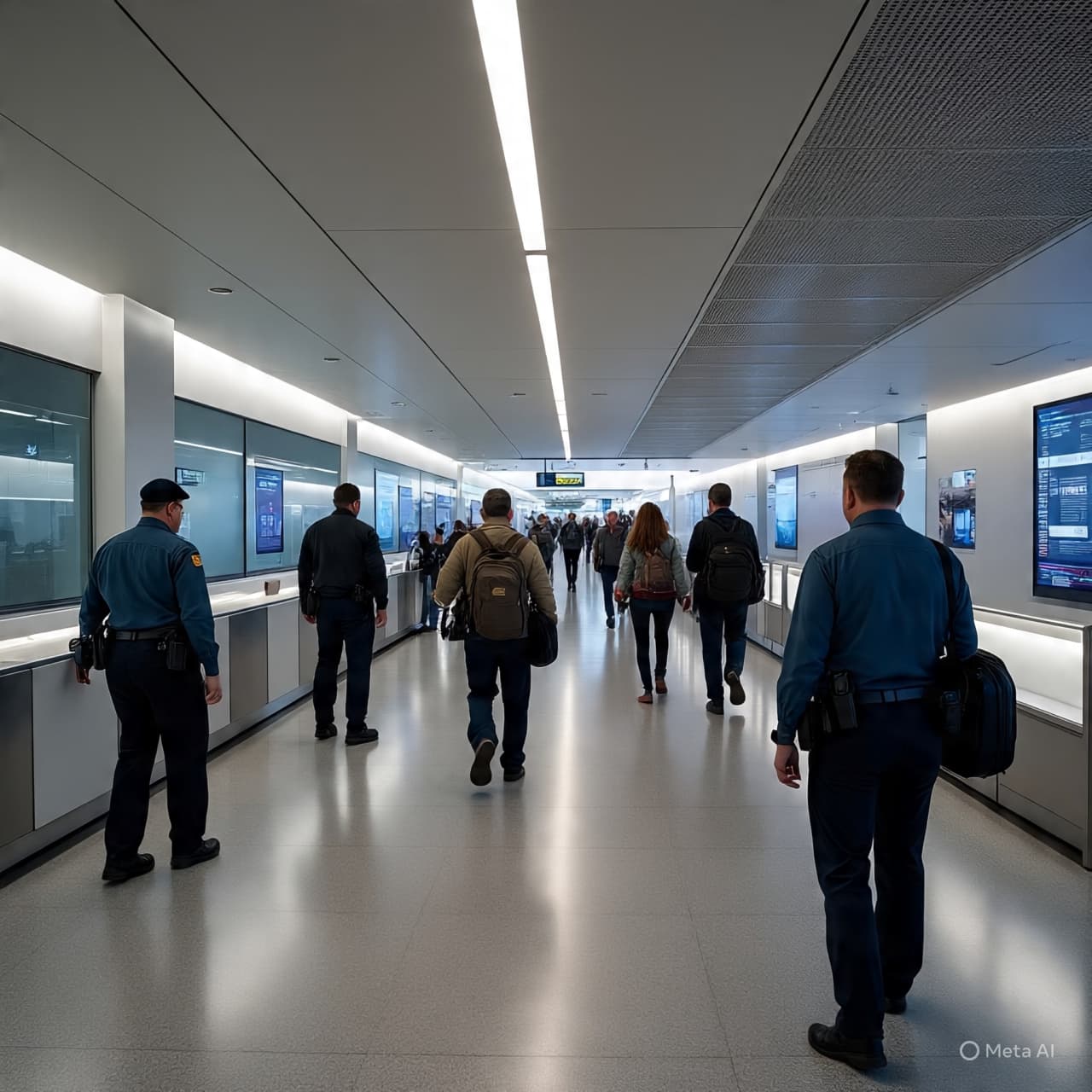
Early morning light glints off the polished floors of bustling airport terminals, where the rhythm of rolling suitcases and hurried footsteps forms a familiar, almost hypnotic pattern. Behind the scenes, however, a quieter tension hums—a workforce whose dedication underpins the intricate choreography of travel, yet whose labor is increasingly undervalued. Experts warn that the persistent issue of unpaid or undercompensated Transportation Security Administration (TSA) workers carries consequences far beyond mere workplace fairness, touching the very fabric of national security.
The TSA, tasked with screening millions of passengers and cargo each day, relies on a workforce trained to recognize subtle anomalies and respond swiftly to threats. When pay fails to match responsibilities, or when delays in compensation occur, morale erodes. Experts note that overworked or financially strained officers may struggle to maintain the vigilance that ensures airports remain safe. Beyond the individual impact, there are broader operational consequences: slower lines, missed threats, and heightened stress can ripple through the system, affecting travelers, airlines, and national safety.
This concern is particularly acute amid increasing air traffic and evolving security challenges. From technological upgrades in screening to heightened alert levels at major hubs, the demands on TSA personnel are constant and complex. Observers emphasize that financial recognition is not merely a matter of fairness—it is an integral component of preparedness and resilience. Studies on workforce effectiveness suggest that adequate compensation correlates with attentiveness, retention, and overall security performance, underscoring the stakes involved.
As passengers move through terminals, oblivious to the silent calculations and decisions made by the officers before them, the system’s integrity rests on more than equipment or protocol; it rests on human vigilance. Addressing compensation and working conditions is, therefore, not just a labor issue but a strategic one. In the interplay between policy, pay, and protection, the quiet question emerges: can security truly be ensured if those tasked with it are left struggling at the margins? The answer, experts suggest, is that investment in personnel is inseparable from investment in safety.
AI Image Disclaimer Illustrations were created using AI tools and are not real photographs.
Sources CNN The Washington Post NBC News Homeland Security Today AP News
Published by Banx Network. This article is part of the Banx decentralized media programme, powered by the BXE token on the XRP Ledger.