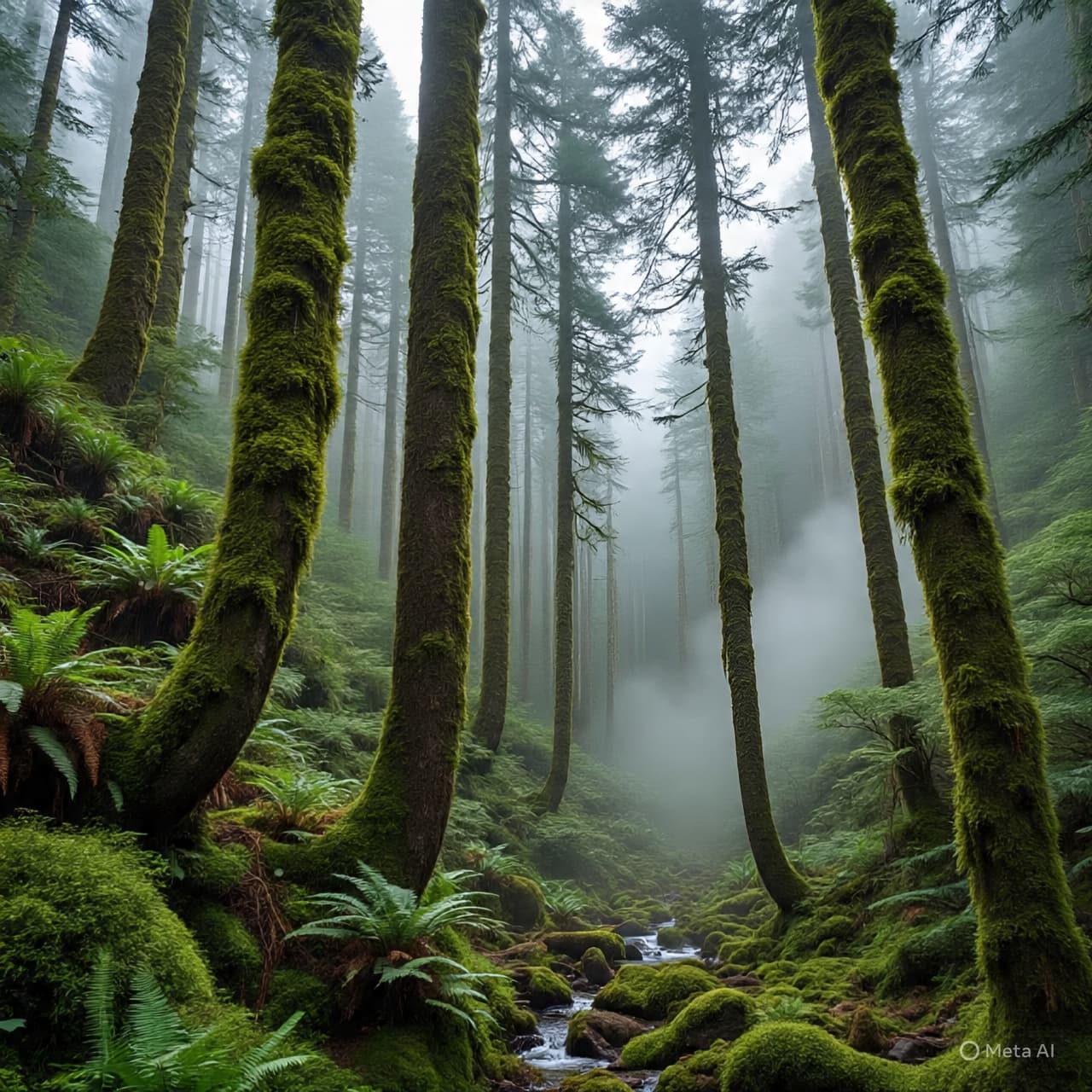
In the far southwest of New Zealand, where mountains fall steeply into deep fjords and rain moves steadily across ancient forests, the land carries a sense of endurance. Moss blankets the trunks of towering trees, rivers carve through valleys untouched by roads, and the quiet of the wilderness often feels as old as the mountains themselves.
This is Fiordland, one of the most remote and celebrated landscapes in the country.
Yet even in places that seem timeless, change can arrive quietly.
Conservation scientists and land managers are raising concern over a growing population of red deer spreading through parts of Fiordland National Park. Once introduced to New Zealand more than a century ago, the species has long lived within the country’s forests and alpine valleys. But recent observations suggest that deer numbers in parts of Fiordland have grown to levels that may threaten the delicate balance of its ecosystems.
The animals move easily through the thick bush, grazing on shrubs, young trees, and forest undergrowth. In small numbers, their presence may pass largely unnoticed. But when populations expand, their feeding habits can begin to reshape entire landscapes.
Researchers monitoring vegetation in Fiordland say heavy browsing by deer can prevent young plants from regenerating. Seedlings that would normally grow into new trees may be eaten before they mature, leaving forests with aging canopies but few young replacements.
Over time, this process can thin the understory that supports insects, birds, and other wildlife.
Fiordland’s ecosystems are particularly sensitive to such changes. Many of the plants found in these forests evolved without large browsing mammals. Before human settlement, New Zealand’s wildlife was dominated by birds rather than grazing animals. As a result, native vegetation often lacks the defenses that plants elsewhere developed against heavy herbivory.
When introduced animals such as red deer feed intensively, some native species struggle to survive.
Conservation groups have warned that if deer populations continue expanding, the damage could become increasingly difficult to reverse. Certain slow-growing plants, including species that take decades to mature, may disappear from affected areas entirely.
Efforts to control deer numbers have existed for decades in New Zealand. In earlier years, large-scale culling programs dramatically reduced populations in many regions. However, Fiordland’s rugged terrain—dense forests, steep mountains, and remote valleys—makes consistent management a challenge.
Today, conservation authorities and hunting groups continue to play a role in controlling deer numbers, but recent reports suggest that populations may once again be rising in parts of the park.
For scientists studying the region, the concern is not only about the animals themselves but about the broader story unfolding beneath the forest canopy.
Fiordland’s landscapes are often celebrated for their dramatic fjords and towering peaks, yet the quieter life within the forest—the seedlings, ferns, and mosses—forms the foundation of the ecosystem. When that foundation changes, the effects ripple outward through birds, insects, and the entire web of life that depends on the forest.
In response to the warning signs, conservationists are calling for renewed attention to deer management across the region. Monitoring programs, ecological surveys, and coordinated control efforts may be needed to prevent long-term damage to the park’s vegetation.
For now, the forests of Fiordland remain vast and resilient, their valleys still filled with the steady rhythm of rain and wind moving through ancient trees.
But beneath that enduring silence, a quieter struggle is unfolding—one between the resilience of the wilderness and the growing presence of animals that were never meant to live there.
Published by Banx Network. This article is part of the Banx decentralized media programme, powered by the BXE token on the XRP Ledger.