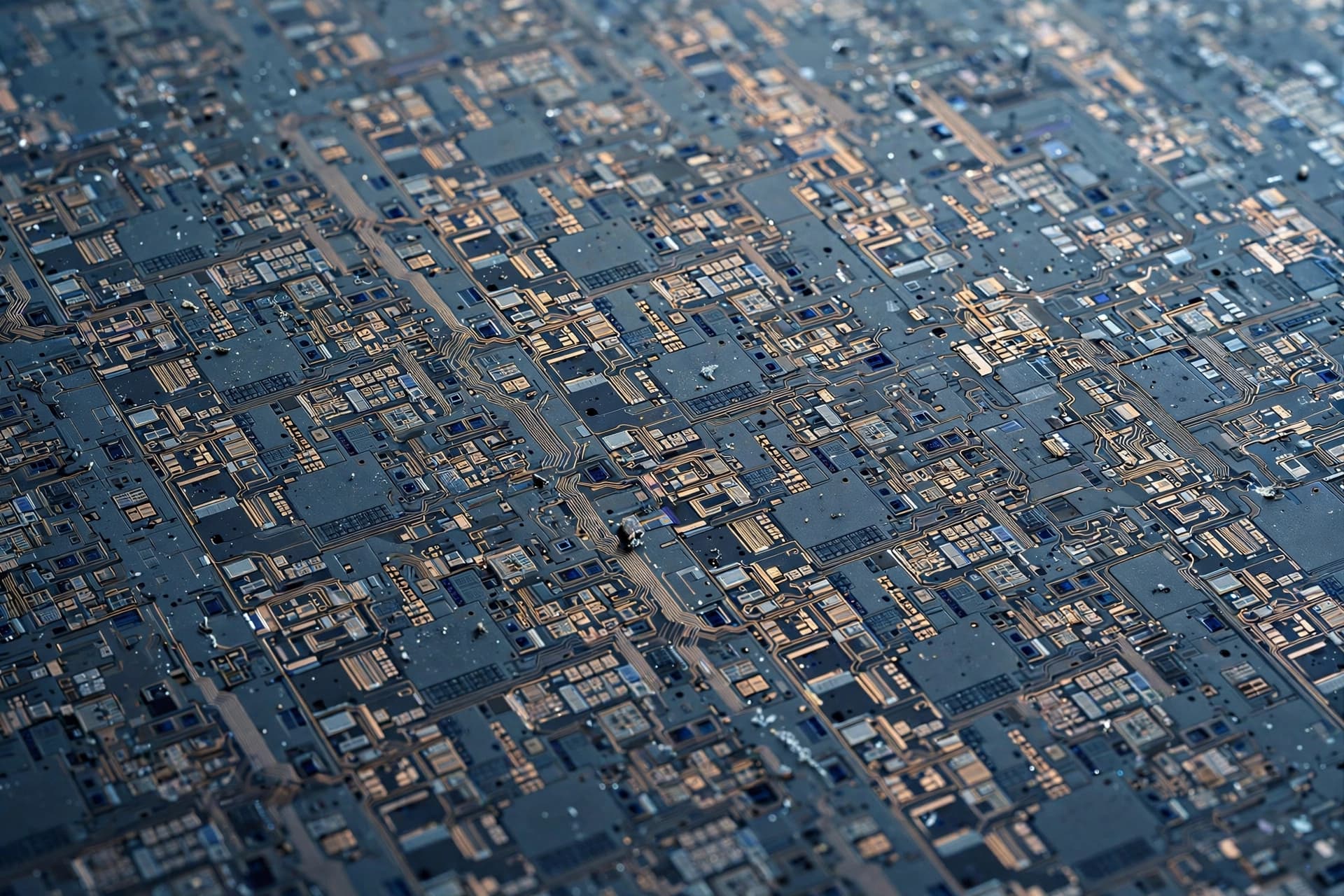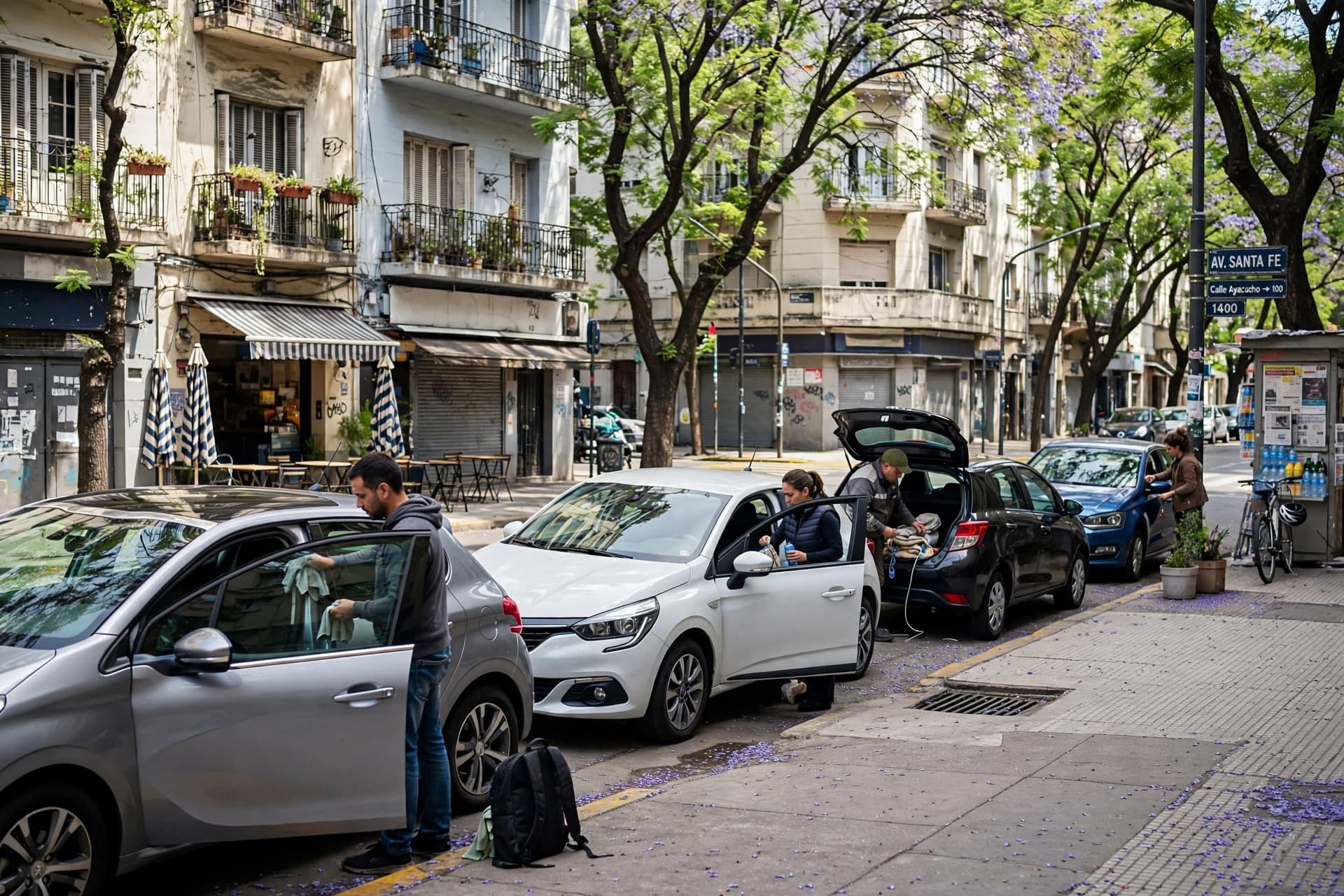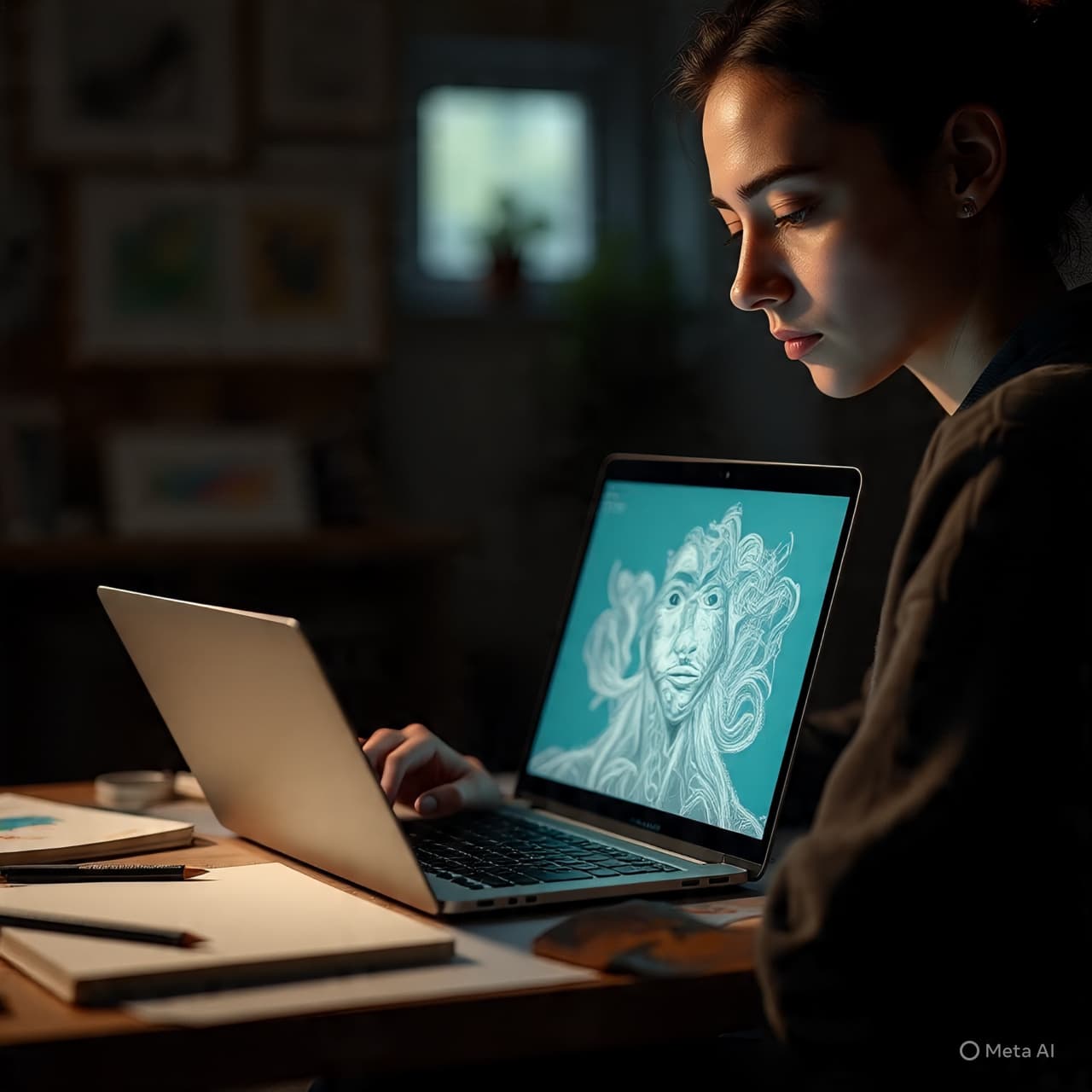
There is a quiet moment, just before an image appears on a screen, when imagination lingers without form—half-thought, half-seen. Tools like Google’s latest AI image generator, Nano Banana 2, seem designed to shorten that distance, turning intention into visual reality with a speed that feels almost conversational.
With the release of Nano Banana 2—deeply integrated into Google’s Gemini ecosystem—the company is not simply updating a feature. It is refining a language: the way humans describe, and machines interpret, what we want to see.
At its core, Nano Banana 2 builds upon earlier iterations by becoming faster, more precise, and more attentive to instruction. In hands-on testing, the system demonstrates a notable ability to render detailed, photorealistic visuals, from complex infographics to nuanced lighting adjustments. It feels less like prompting a tool and more like guiding a collaborator—one that responds in near real time.
The improvements are not only aesthetic. The model now supports higher-resolution outputs—reaching up to 4K—and allows users to construct more complex scenes with multiple characters and objects, while maintaining coherence and visual balance. This shift suggests a broader ambition: not just generating images, but enabling structured visual storytelling.
Speed, too, has become part of its identity. Built on lighter, faster AI architectures, Nano Banana 2 reduces the friction between idea and output. What once required iterative waiting now unfolds almost instantly, allowing users to refine images in a fluid, ongoing exchange.
Yet, as with many advancements in generative AI, the experience is not without its imperfections. In practical use, the system occasionally drifts—misinterpreting prompts or producing results that are unintentionally exaggerated or unrealistic. A simple request can sometimes return with unexpected distortions, reminding users that even advanced models still navigate ambiguity rather than eliminate it.
There is also a quieter, more complex layer beneath the technology. As images become easier to generate—and harder to distinguish from reality—the question shifts from capability to consequence. Google has embedded watermarking systems to signal AI-generated content, but the broader challenge remains: how to preserve trust in a world where visuals can be created as easily as text.
In this sense, Nano Banana 2 feels less like a destination and more like a transition. It reflects a stage in which AI tools are no longer experimental curiosities, but integrated companions in creative workflows—available not just to professionals, but to anyone with a prompt and a moment of curiosity.
And perhaps that is the quiet transformation unfolding here. The act of creation, once bound by skill or time, is becoming increasingly shaped by description—by how clearly we can express what we imagine.
As Google continues to expand the reach of its AI systems, integrating them across search, apps, and creative tools, Nano Banana 2 settles into its place as both a technological step forward and a cultural signal.
Not a final answer, but an evolving question: when images can be summoned so easily, what, then, becomes of seeing?
AI Image Disclaimer Graphics are AI-generated and intended for representation, not reality.
Source Check Credible sources found:
Wired Reuters The Verge TechRadar Android Authority
Published by Banx Network. This article is part of the Banx decentralized media programme, powered by the BXE token on the XRP Ledger.

.jpg&w=3840&q=75 "The Artemis Revolution: How NASA Plans to Build Humanity's Future on the Moon")