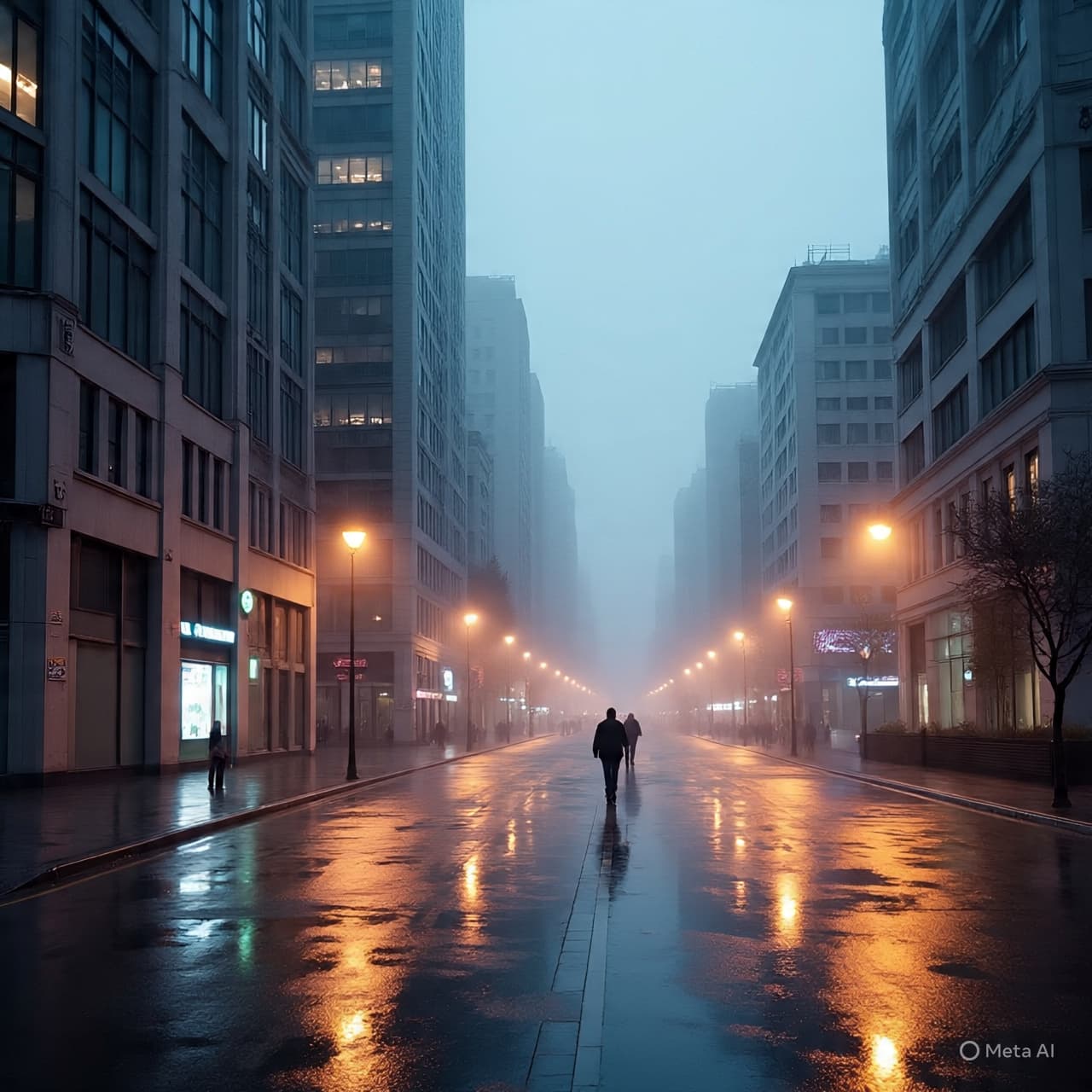
Evenings in a city under strain often carry a different kind of quiet. It is not the calm of rest, but something more suspended—conversations held a little softer, lights dimmed not just by habit but by caution, and the sense that ordinary routines continue while something larger presses gently, persistently, at their edges.
In recent days, fragments of such a life have surfaced through a personal diary attributed to the son of Ebrahim Raisi, offering a glimpse into how the current tensions in Iran are experienced not only in policy rooms and military briefings, but in homes, streets, and private thoughts. The entries, reflective in tone, speak less of strategy than of atmosphere—of a feeling that, as one line suggests, “nothing is normal.”
There is a particular weight to that phrase, one that resists precise definition. It does not point to a single event, but rather to an accumulation—a slow layering of uncertainty, disruption, and adaptation. In cities across Iran, daily life continues, yet it does so with an awareness that circumstances can shift quickly, that the familiar can become provisional.
The diary, as reported, moves through moments both small and significant: the observation of emptying streets, the quiet tension of waiting for news, the effort to maintain routine amid an environment that feels altered. These are not the grand narratives often associated with geopolitical conflict, but they form a parallel account—one that traces how larger events settle into individual lives.
In times of conflict, official statements tend to define the outer contours of a situation. They describe movements, intentions, and responses. Yet within those contours, there exists another layer, less visible but equally real. It is found in the way people adjust their days, in the conversations they choose to have or avoid, in the subtle recalibration of what feels certain.
The perspective of a leader’s family member adds a particular dimension to this account. Positioned close to the center of decision-making, yet still within the realm of personal experience, such a voice reflects both proximity and distance. It does not resolve the complexities of the moment, but it illuminates how those complexities are lived.
Observers note that these reflections emerge at a time when Iran faces heightened external pressures and internal uncertainties. The broader conflict, with its shifting alignments and ongoing developments, creates a backdrop against which individual experiences take shape. The diary does not attempt to interpret these dynamics directly; instead, it reveals their presence through mood and detail.
There is also a sense, within the entries, of continuity—an effort to hold onto the ordinary even as it becomes less certain. Meals are shared, conversations continue, and time moves forward. Yet beneath these rhythms lies an awareness that normality, once taken for granted, has become something more fragile.
As such personal accounts circulate, they offer a different lens through which to view the unfolding situation. They do not replace the factual record, but they complement it, providing texture to events that might otherwise remain abstract. They remind readers that behind each headline lies a multitude of lived experiences, each shaped by the same forces, yet felt in distinct ways.
The facts themselves remain clear: a diary attributed to the son of President Ebrahim Raisi has been reported, describing a sense of disrupted normalcy in Iran amid ongoing tensions. Its reflections echo a broader sentiment among citizens navigating a period marked by uncertainty and change.
And so the city continues, its streets both familiar and altered. Lights come on in windows, conversations resume, and life moves forward—not unchanged, but still moving. In that movement lies a quiet resilience, and within that resilience, the enduring hope that what feels suspended may one day settle again into something steadier.
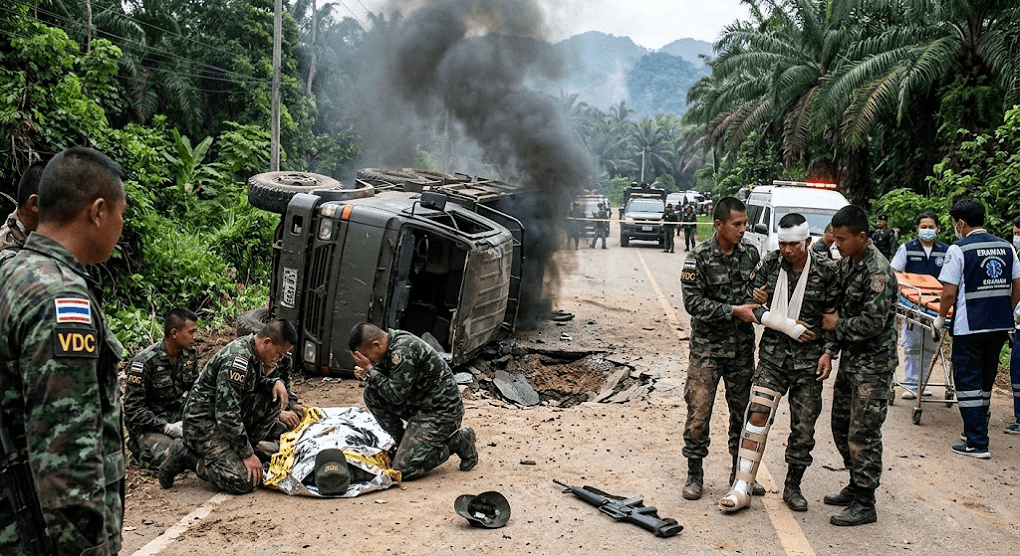
AI Image Disclaimer Visuals are AI-generated and serve as conceptual representations.
Sources Reuters BBC News The Guardian Associated Press Al Jazeera
Published by Banx Network. This article is part of the Banx decentralized media programme, powered by the BXE token on the XRP Ledger.