Key Highlights
- Reputation:A key factor in real estate development decisions.
- Political Branding:The impact of political figures on commercial projects.
- Market Sensitivity:Developers are increasingly cautious about brand associations.
In global real estate, buildings are rarely made only of steel, glass, and concrete. They are also shaped by reputation, perception, and the shifting emotions of the public. A name attached to a tower or hotel can become part of its architecture, carrying admiration in one season and controversy in another. Markets, much like cities themselves, often respond quietly to the changing weather of public opinion.
Recently, an Australian property developer announced the abandonment of plans for a Trump-branded hotel project, describing the brand as 'toxic' in the current business climate. This remark reflects growing concerns about how political identity and public perception increasingly influence international commercial projects. The developer concluded that association with former U.S. President Donald Trump’s brand could negatively affect investor confidence, public reception, and long-term commercial viability. This decision reportedly followed internal evaluations regarding branding strategy and market positioning.
The Trump Organization has maintained a global presence through luxury hotels, residential towers, and licensing agreements. While the brand continues to attract supporters and commercial partnerships in some regions, it has also faced criticism and political controversy tied to Trump’s presidency and ongoing legal and electoral disputes in the United States. This duality highlights the complexities of brand perception in the real estate sector.
Analysts note that branding has become an increasingly sensitive issue within international property development. Developers now consider not only market demand and construction costs but also reputational risks that may affect financing, tourism appeal, and relationships with local communities. In politically polarized environments, even hospitality projects can become entangled in broader cultural debates, complicating the decision-making process for developers.
The Australian developer’s comments quickly attracted attention due to the unusually direct language used to describe the business decision. Some observers interpreted the statement as evidence of growing caution among international investors regarding politically charged branding, while others argued that brand perception varies significantly across markets and demographics. This divergence in opinion underscores the challenges faced by developers in navigating public sentiment.
The decision also reflects broader uncertainty within the global commercial property sector. Rising interest rates, fluctuating tourism patterns, and economic volatility have already complicated large-scale development projects in many countries. Under such conditions, developers may become especially cautious about factors that could introduce additional reputational or financial risk.
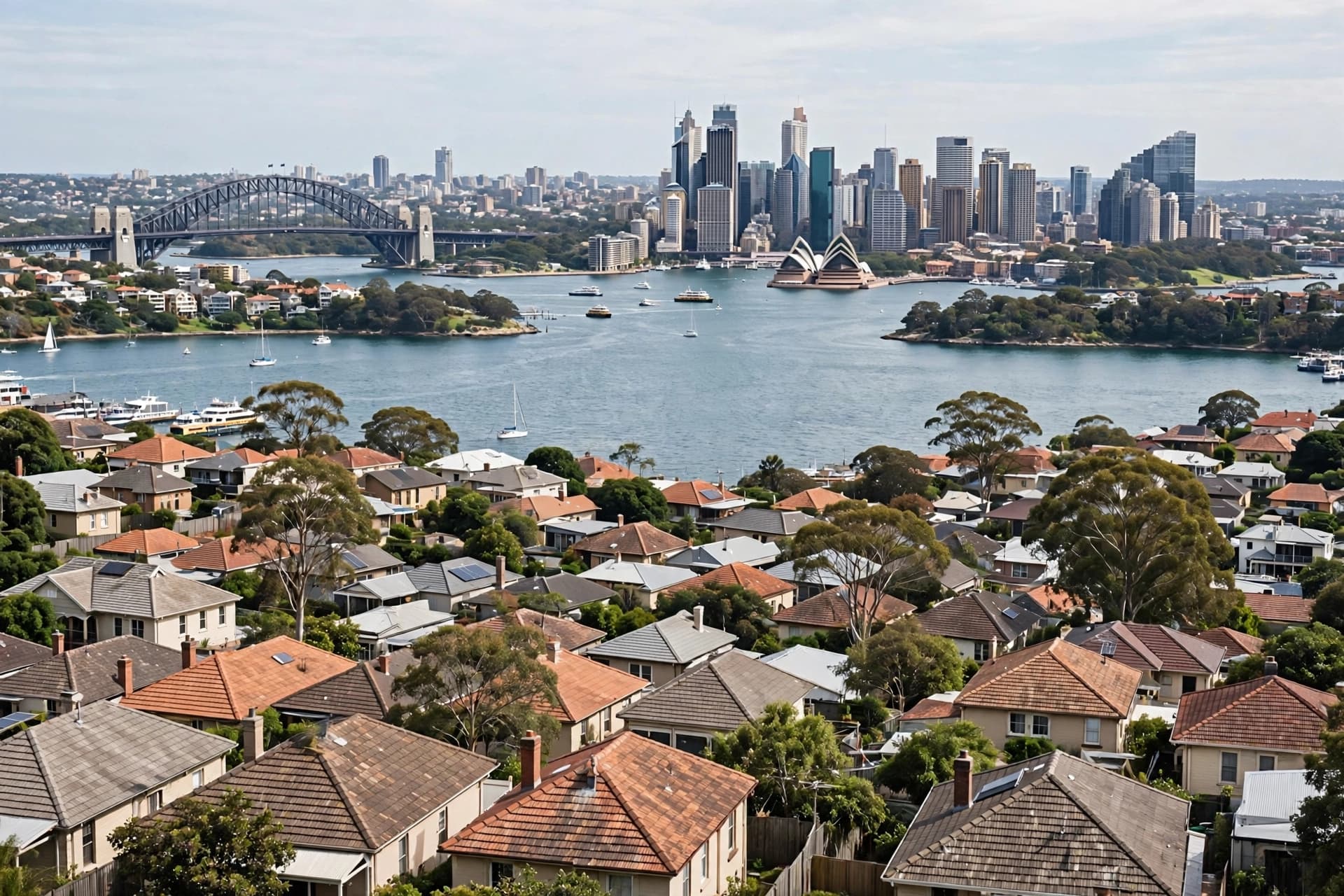
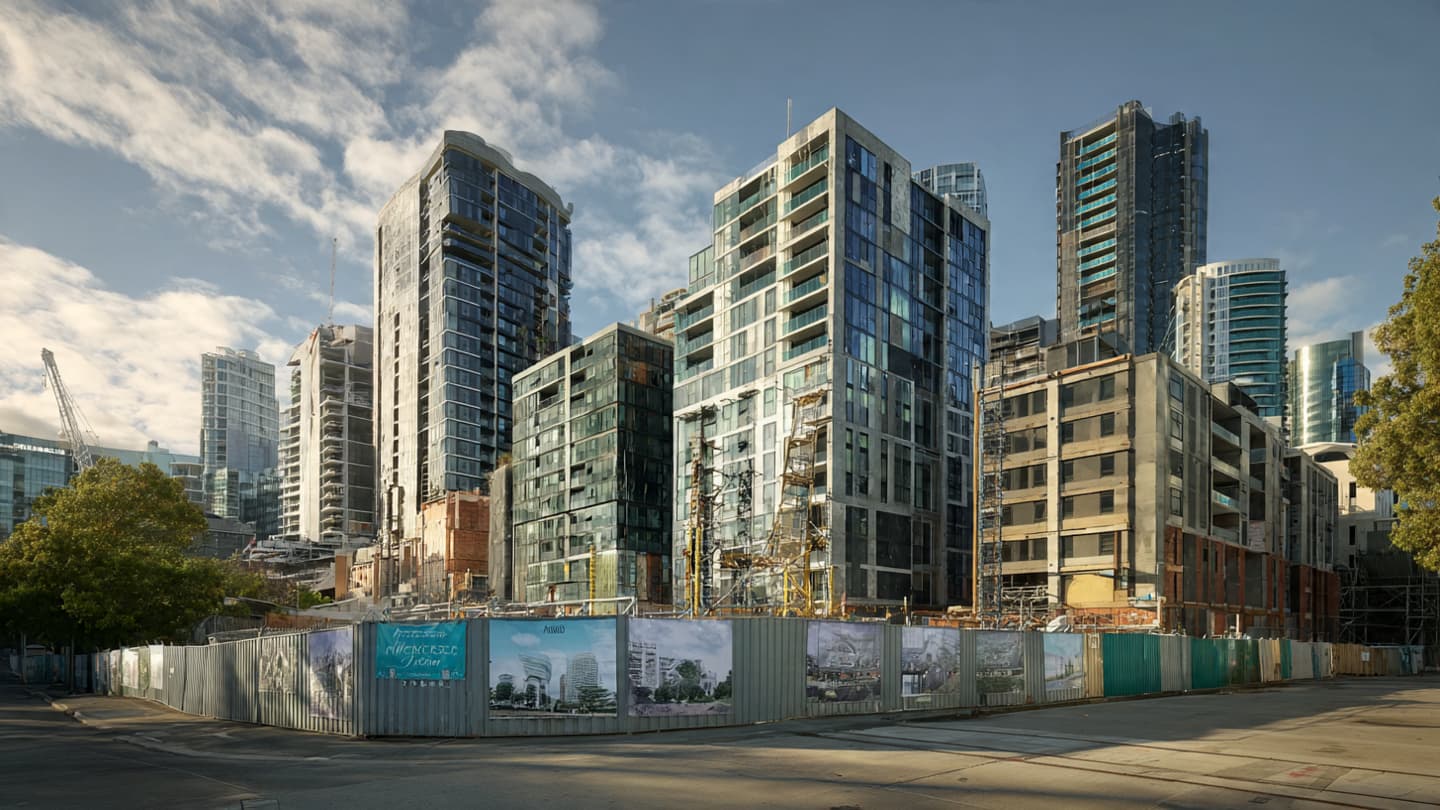
For now, the canceled project stands as another example of how modern business increasingly intersects with politics and public image. In cities where skylines continue to evolve, the names attached to future buildings may matter almost as much as the structures themselves, influencing not just aesthetics but also the economic viability of projects.
AI Image Disclaimer: Illustrative visuals connected to this report may include AI-generated imagery created for editorial use.
Published by Banx Network. This article is part of the Banx decentralized media programme, powered by the BXE token on the XRP Ledger.