Planets, though distant and silent, often carry traces of rhythms that once shaped their surfaces. Mars, long regarded as a quiet and arid world, continues to reveal hints of a more dynamic past—one that may have echoed patterns familiar to Earth.
A recent study suggests that ancient Mars may have experienced seasonal cycles similar to those on Earth. Researchers analyzing geological and atmospheric data have identified patterns that indicate periodic changes in climate conditions over time.
These findings are based on observations of sediment layers and mineral compositions that appear to reflect repeated environmental shifts. Such patterns are often associated with seasonal processes, including variations in temperature and atmospheric activity.
Scientists believe that these cycles may have influenced the distribution of water on Mars, potentially creating conditions that were more conducive to sustaining certain forms of life. While the presence of life has not been confirmed, the environmental context remains a key area of investigation.
The study draws on data collected from Mars missions, including orbiters and rovers that have examined the planet’s surface in detail. These missions continue to provide valuable information about Mars’s geological history.
Understanding seasonal behavior on ancient Mars also helps researchers compare planetary evolution across different environments. By examining similarities and differences with Earth, scientists can refine models of climate development.
The research contributes to a growing body of evidence that Mars was once more active and complex than its present appearance suggests. These insights continue to shape the direction of future exploration efforts.
As new data becomes available, scientists aim to build a clearer picture of how Mars transitioned from a potentially dynamic environment to the colder, drier planet observed today.
The study offers a measured glimpse into Mars’s past, suggesting that even distant worlds may share echoes of the cycles that define life closer to home.
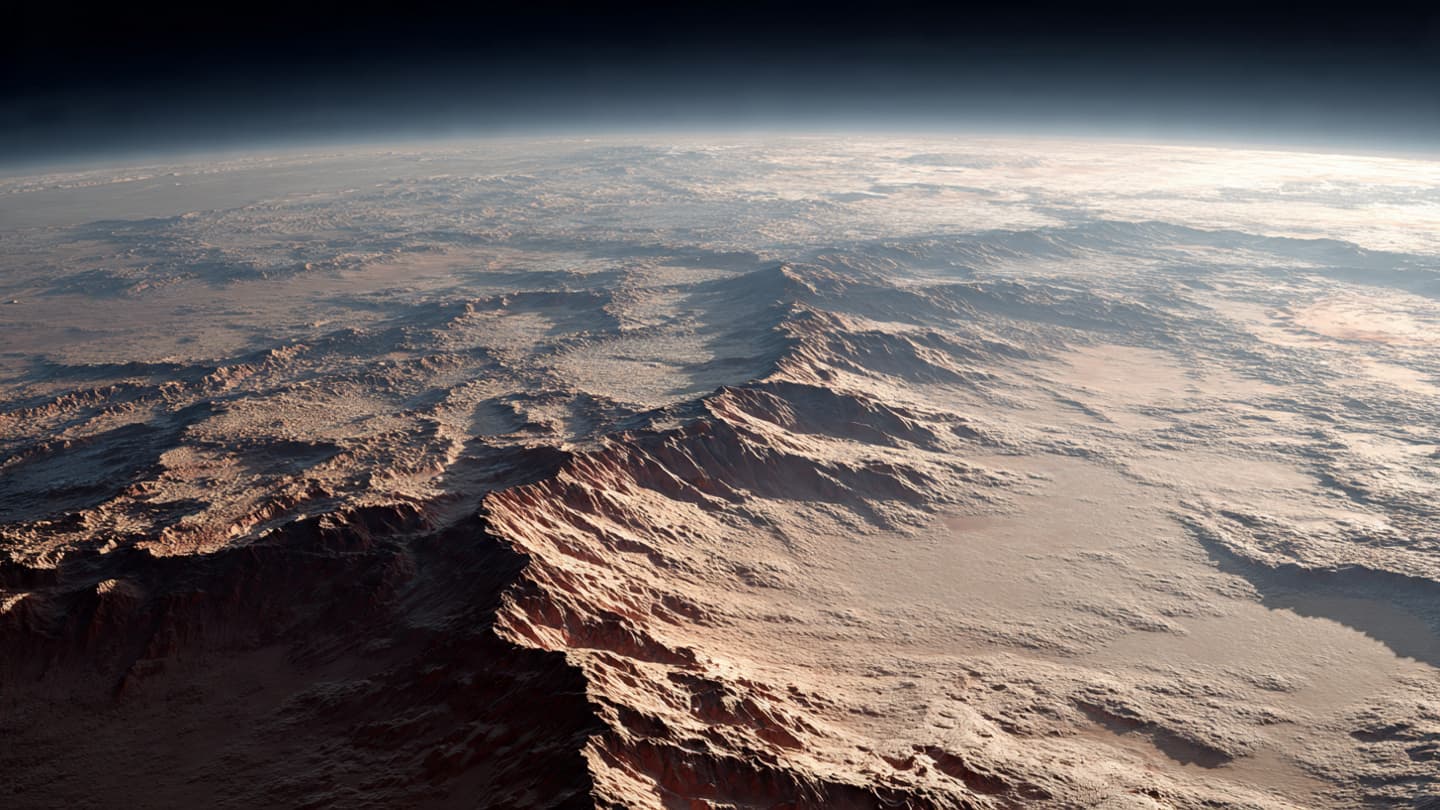
AI Image Disclaimer: Images included with this article may be AI-generated to depict Martian landscapes and scientific interpretations.
Sources: Nature, NASA, Reuters, BBC
Published by Banx Network. This article is part of the Banx decentralized media programme, powered by the BXE token on the XRP Ledger.