Humanity's search for life beyond Earth has always combined imagination with careful scientific inquiry. From radio telescopes scanning distant stars to robotic explorers traversing alien worlds, each generation has developed new tools to answer one of science's oldest questions: Are we alone in the universe?
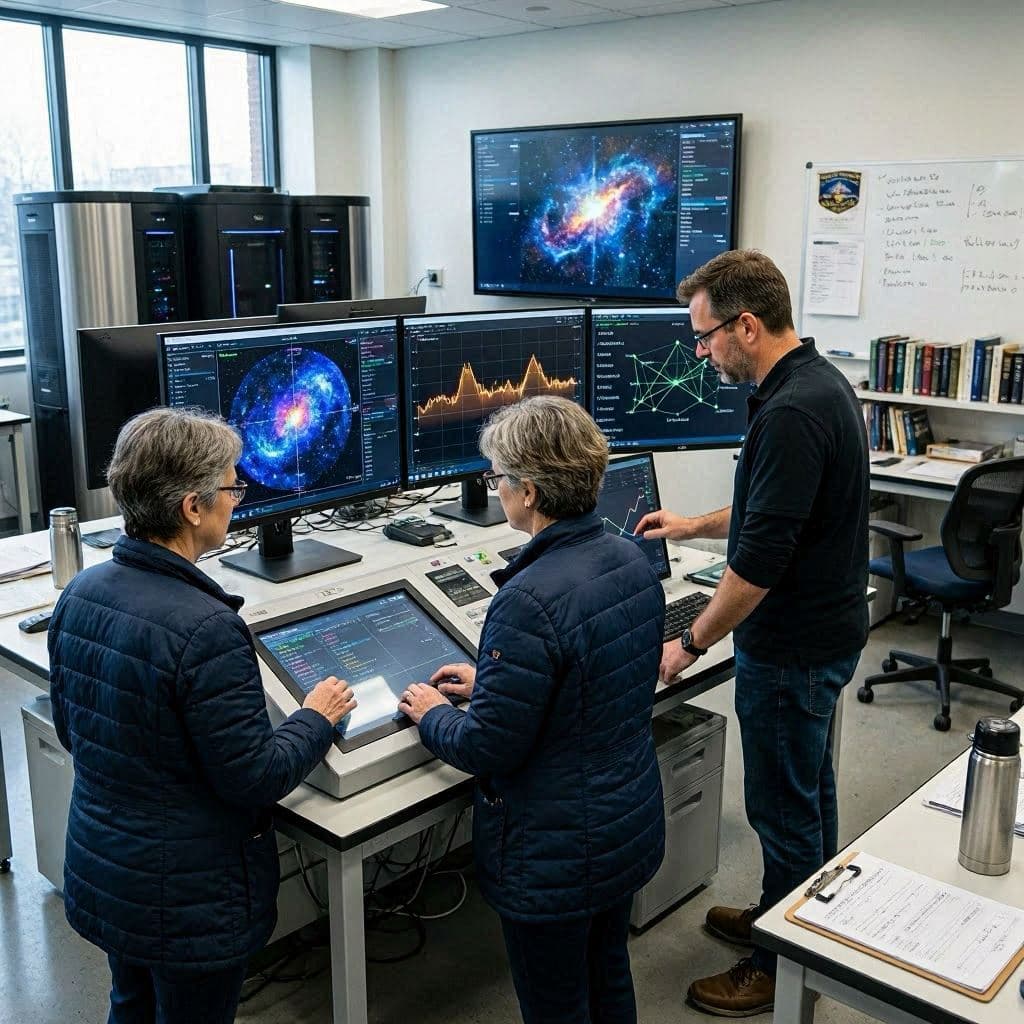
Researchers increasingly believe that artificial intelligence could significantly reshape the field of astrobiology. As scientific missions produce ever-growing volumes of data, AI systems may help scientists analyze information more efficiently and identify patterns that would otherwise remain hidden.
Modern astronomical observatories, planetary missions, and space telescopes generate enormous datasets. Processing this information manually can require years of work, prompting scientists to explore advanced computational approaches.
Artificial intelligence has already demonstrated capabilities in identifying exoplanets, classifying galaxies, and detecting subtle anomalies within complex datasets. Researchers suggest similar methods could assist in searching for biosignatures—indicators of possible past or present life.
Future missions to Mars, icy moons such as Europa and Enceladus, and distant exoplanets may rely increasingly on AI-assisted systems. Autonomous technologies could help spacecraft prioritize observations, analyze samples, and adapt to unexpected conditions.
Scientists also emphasize that AI is intended to complement, rather than replace, human expertise. Interpretation of potential evidence for extraterrestrial life remains a complex scientific task requiring rigorous validation.
As machine learning techniques continue to advance, interdisciplinary collaboration between astronomers, computer scientists, biologists, and planetary researchers is expected to become increasingly important.
The integration of artificial intelligence into astrobiology reflects a broader transformation in scientific research, one that may accelerate humanity's exploration of some of the universe's most profound mysteries.
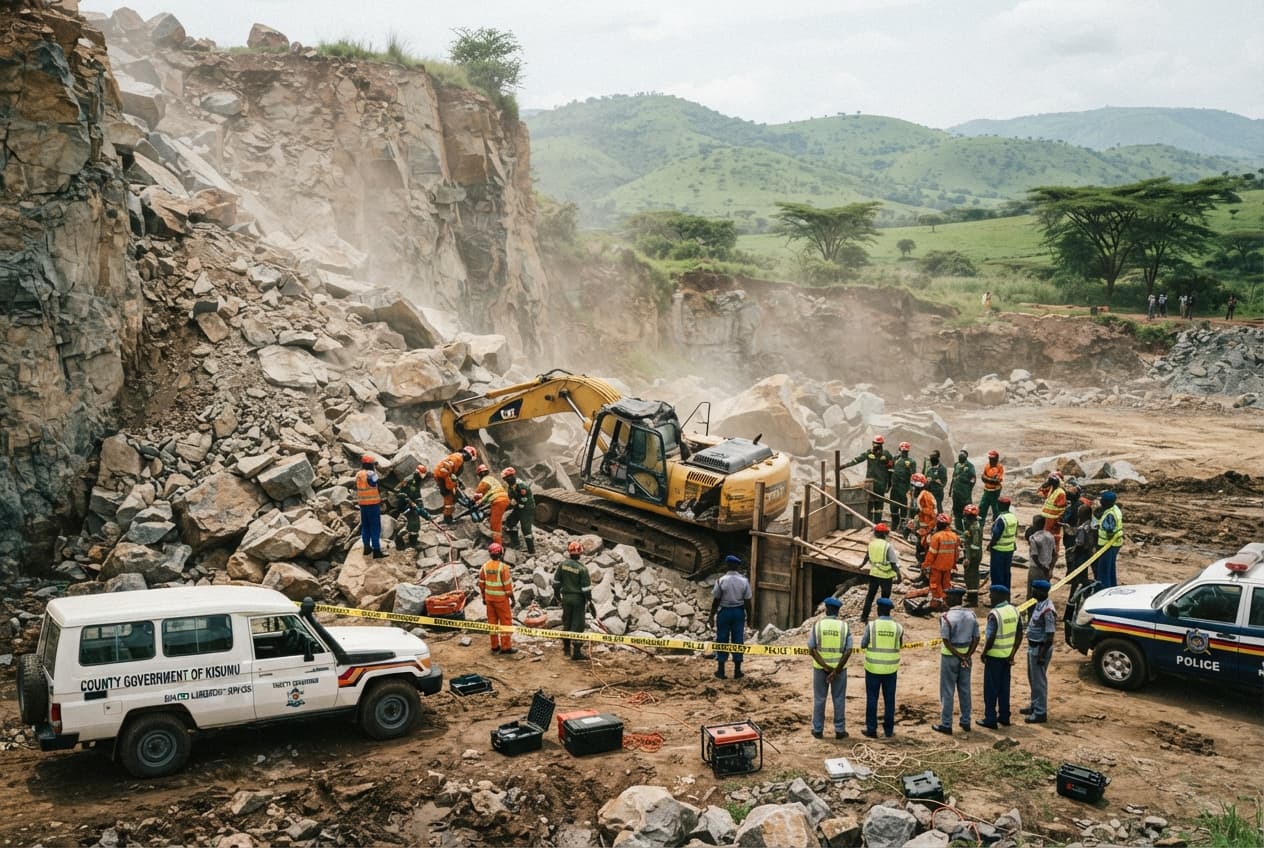
AI-generated image disclaimer: The illustrations associated with this article were created using artificial intelligence to depict scientific concepts and exploratory scenarios.
Source Verification Check: arXiv, NASA Astrobiology Program, Nature Astronomy, Space.com
Published by Banx Network. This article is part of the Banx decentralized media programme, powered by the BXE token on the XRP Ledger.