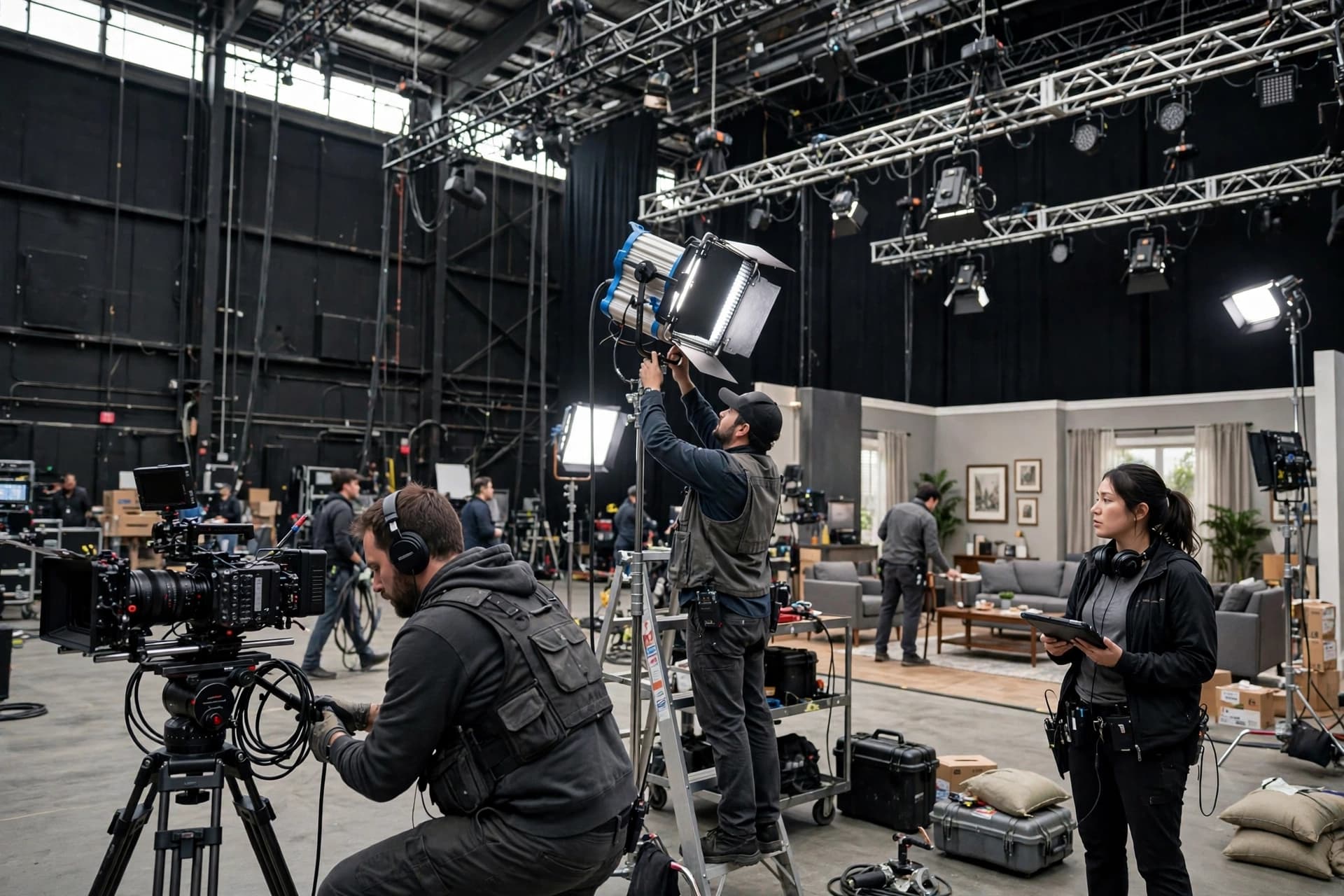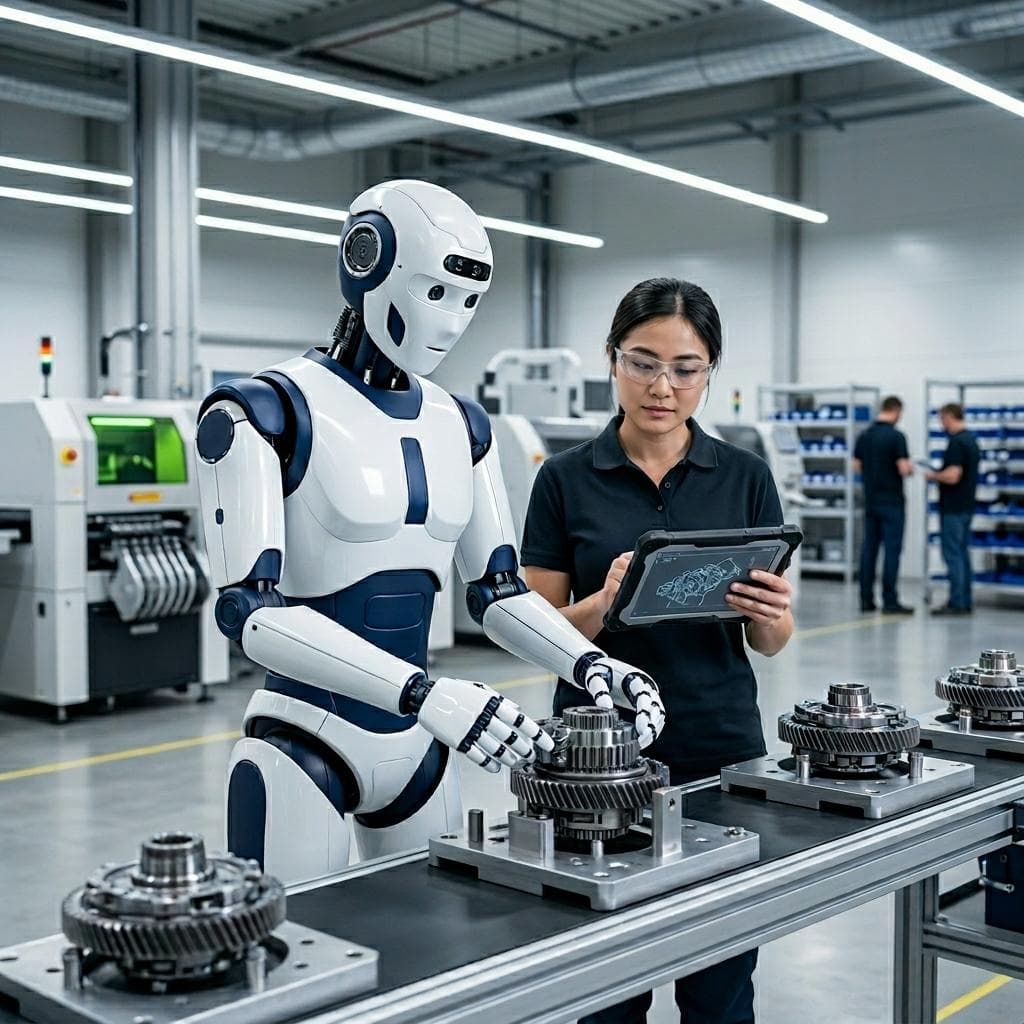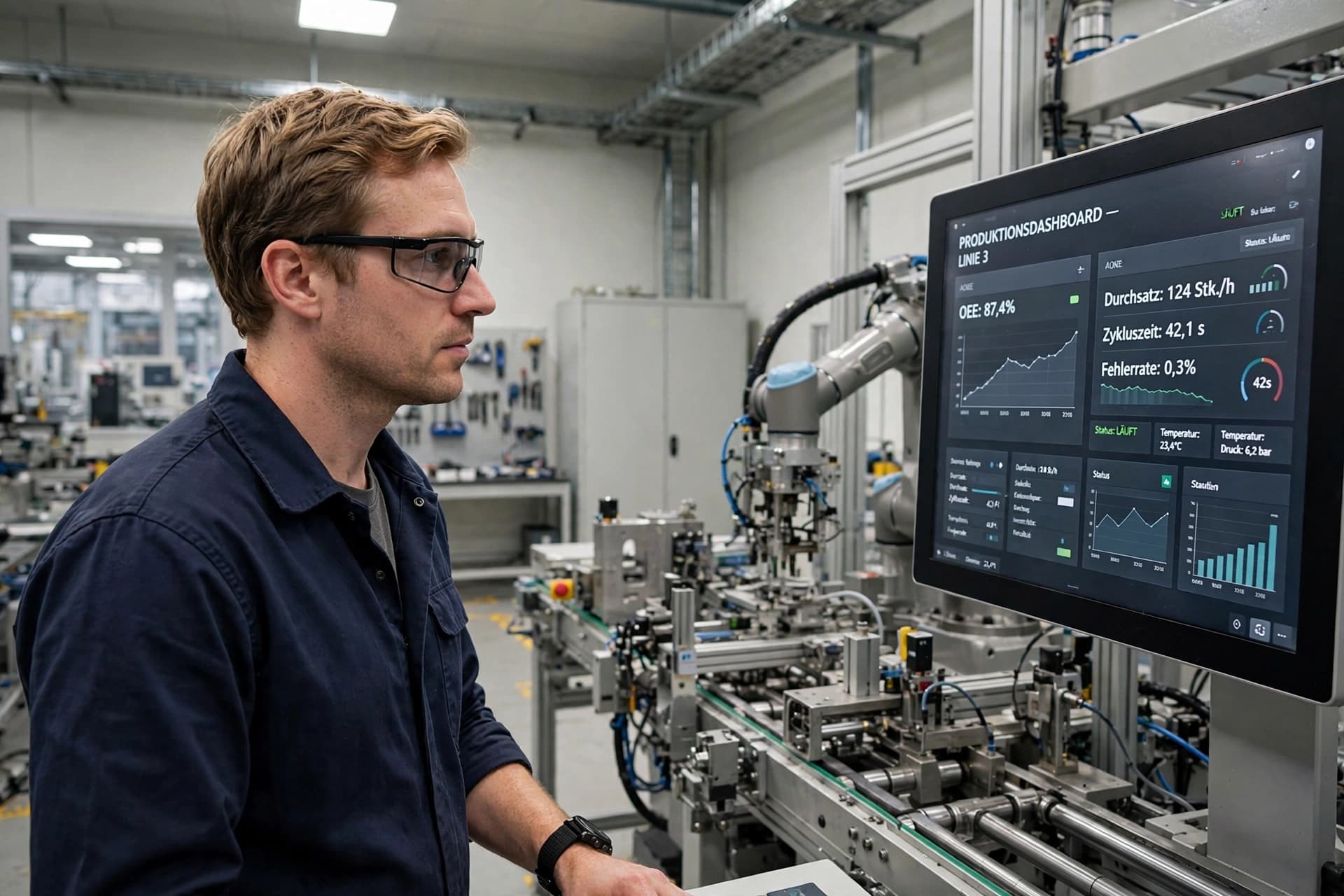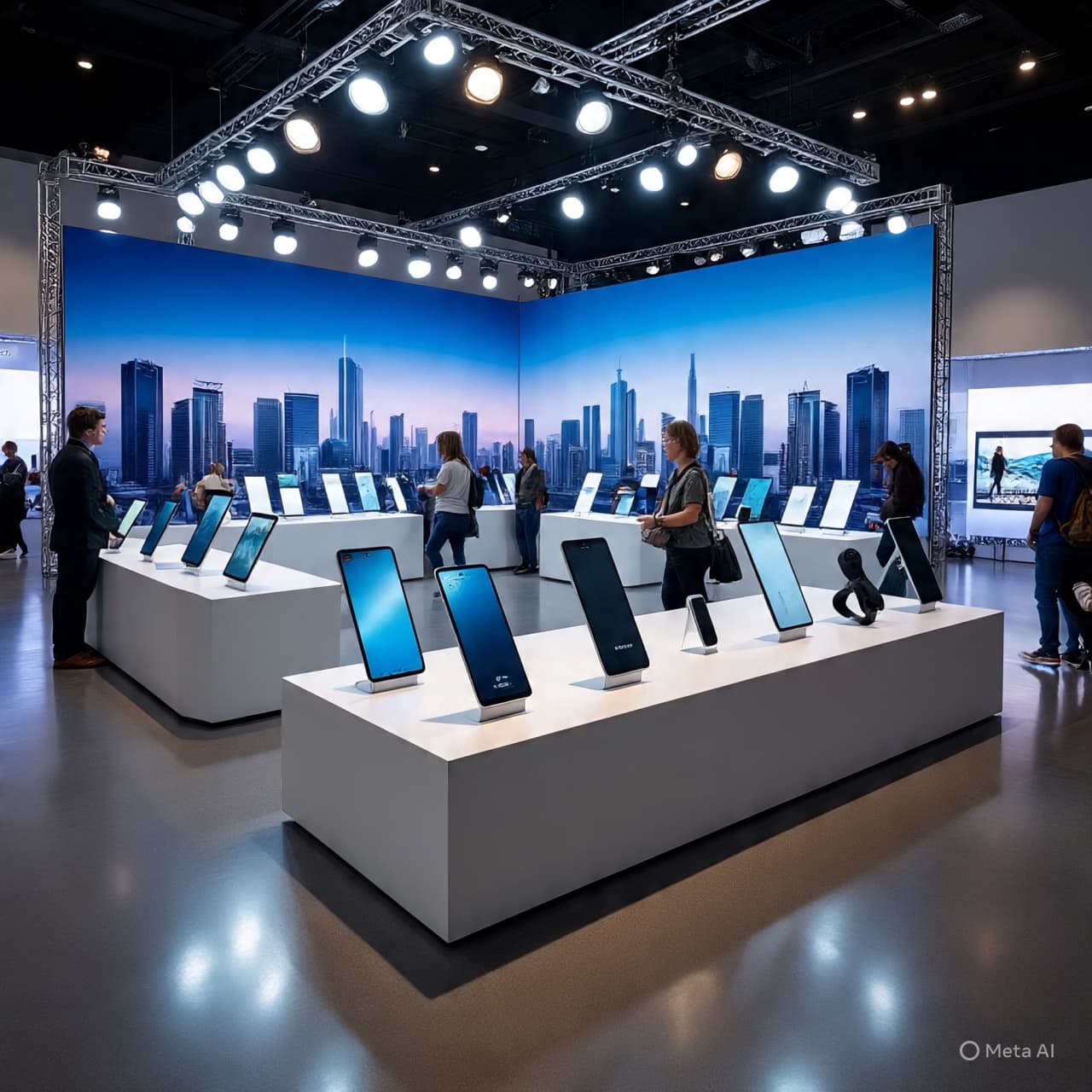
In early spring, when Barcelona begins to trade winter’s hush for the hum of global visitors, the halls of Mobile World Congress become something more than exhibition space. They feel like crossroads — where ambition meets circuitry, and where ideas step briefly into the spotlight before returning to the laboratories that shaped them. At MWC 2026, Samsung arrived not merely with devices, but with a narrative about connection.
The company’s presentation centered on the continued expansion of Galaxy AI, an initiative that seeks to weave artificial intelligence more deeply into everyday user experiences. According to reporting from Reuters and Bloomberg, Samsung has been steadily positioning AI not as a standalone feature, but as a quiet infrastructure running beneath communication, productivity, photography, and health monitoring.
At MWC 2026, that philosophy appeared to mature. Rather than isolating AI to a flagship handset, Samsung emphasized an ecosystem approach — phones, wearables, tablets, and home devices communicating in more fluid patterns. The Verge noted that cross-device intelligence is becoming a defining theme across the industry, and Samsung’s announcements reflected that shift.
Galaxy AI demonstrations reportedly highlighted enhanced on-device processing, enabling real-time language translation, contextual text suggestions, and adaptive camera optimization. CNBC observed that companies are increasingly focusing on hybrid AI models — balancing cloud-based power with local processing to address privacy and latency concerns. Samsung’s approach appeared aligned with this industry trajectory.
Yet the conversation extended beyond performance metrics. TechCrunch has frequently reported that ecosystem integration is becoming a competitive differentiator. Samsung’s strategy at MWC suggested a vision where notifications, health data, and productivity tools move seamlessly across screens. A smartwatch detecting sleep irregularities might inform smartphone recommendations. A tablet drafting session might sync intelligently with a connected laptop.
There was also an undercurrent of sustainability. As AI workloads expand, energy efficiency becomes critical. Industry coverage from Bloomberg has pointed to rising scrutiny over data center demands and device power consumption. Samsung’s messaging included references to optimized chipsets and longer software support cycles, positioning AI advancement alongside environmental responsibility.
Still, in the midst of technical briefings and stage lighting, a quieter question lingered: what does intelligence mean in a connected age? If devices anticipate our needs, translate our conversations, and curate our schedules, the relationship between user and machine subtly shifts. Samsung’s ecosystem pitch appeared to embrace that evolution while emphasizing user control and customization.
Mobile World Congress has long served as a barometer for where the industry believes it is heading. This year, artificial intelligence felt less like a novelty and more like an expectation. Samsung’s announcements did not claim to reinvent the smartphone overnight. Instead, they suggested refinement — a gradual layering of intelligence across familiar hardware.
In closing, Samsung’s presence at MWC 2026 underscored its commitment to embedding Galaxy AI throughout its connected ecosystem. Analysts cited by Reuters and CNBC indicate that competition in the premium and mid-range segments will increasingly hinge on software differentiation and cross-device harmony. As devices continue to converge, the measure of innovation may rest less on isolated specifications and more on how smoothly technology integrates into daily life.
AI Image Disclaimer
Graphics are AI-generated and intended for representation, not reality.
Sources:
Reuters
Bloomberg
The Verge
CNBC
TechCrunch
Published by Banx Network. This article is part of the Banx decentralized media programme, powered by the BXE token on the XRP Ledger.