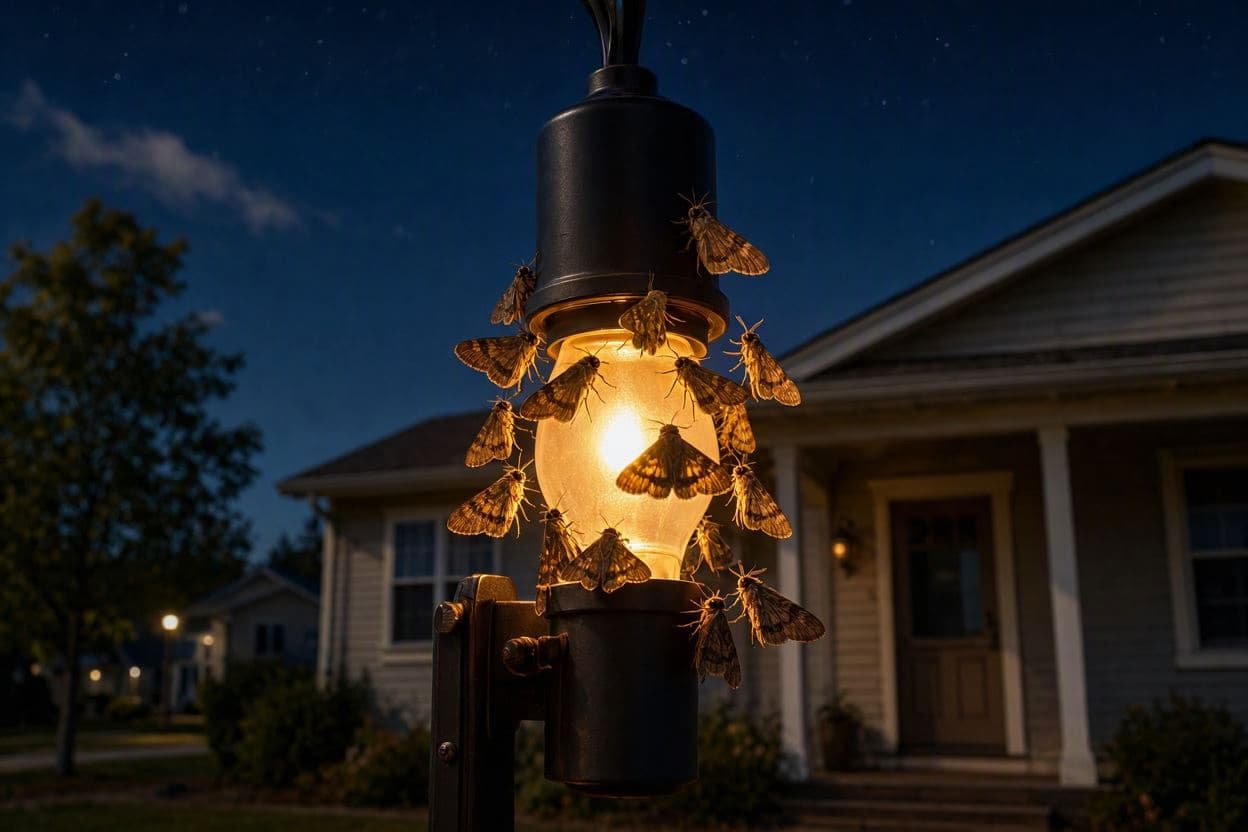
They come at night, drawn by lights they mistake for stars. Thousands of small brown bodies, each no larger than a fingernail, navigating by a compass built from Earth’s magnetic field and the glow of the Milky Way. The bogong moth is not a pest; it is a traveler, an ancient migrant whose journey predates every city it now passes through. This spring, residents across Sydney and the NSW south coast have reported swarms of the endangered insects, clustering on balconies, circling streetlamps, and occasionally finding their way into showers and laundry baskets .
The migration is one of Australia’s great natural spectacles, though it often goes unnoticed. Each spring, billions of bogong moths leave their breeding grounds in inland Queensland, New South Wales, and parts of Victoria, traveling up to 1,000 kilometers toward the cool alpine caves of the Australian Alps . There, they shelter through the hottest months, emerging at night to feed on nectar before eventually making the return journey to breed.
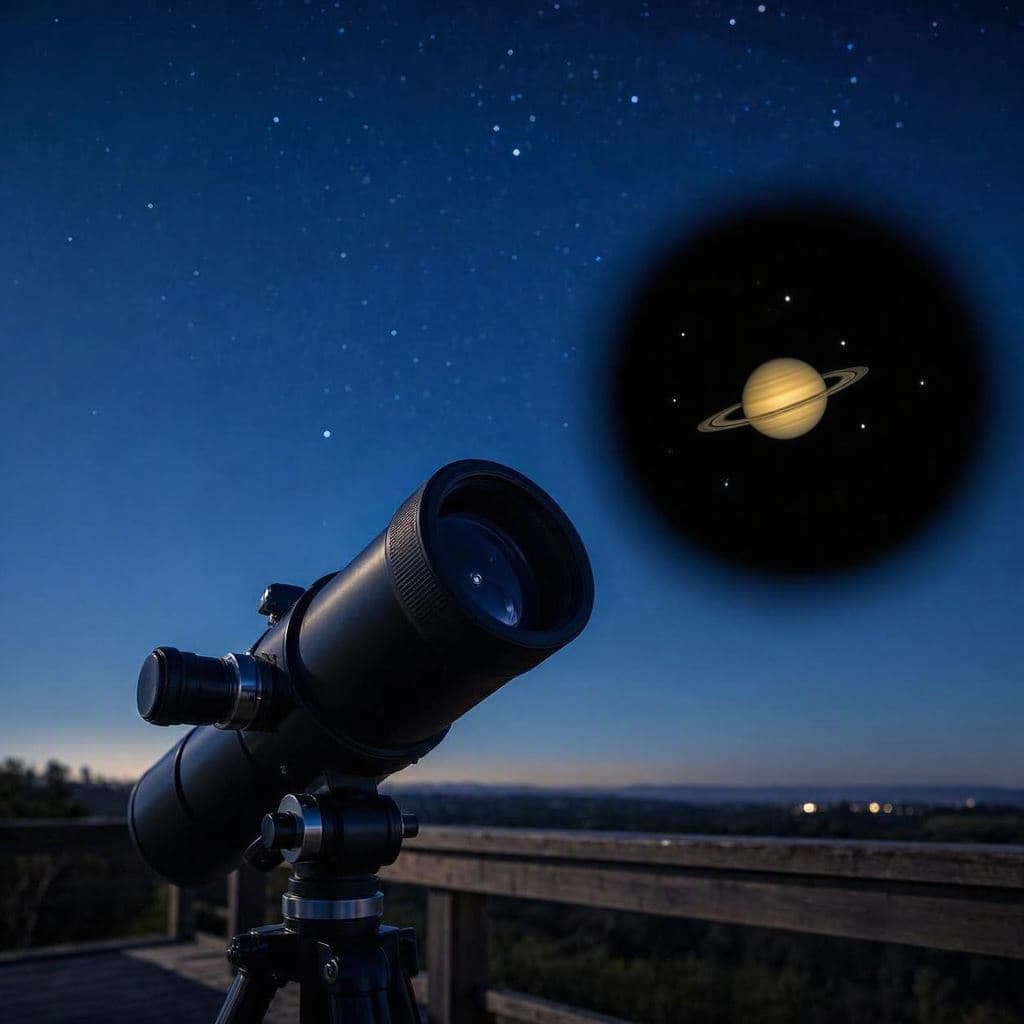
Scientists have long known that the moths use Earth’s magnetic field to navigate. But recent research has revealed something more remarkable: bogong moths can also use starlight as a compass. In experiments conducted in the Snowy Mountains, researchers tethered moths inside a black felt arena and projected the night sky onto its roof. When the stars were rotated 180 degrees, the moths flew in the opposite direction. When the stars were scrambled, the moths became disoriented, fluttering in every direction . This ability—to navigate by the stars—is shared, to researchers’ knowledge, only by humans and some night-flying songbirds.
The moths’ arrival in Sydney is not guaranteed each year. Wind patterns dictate their route, and some seasons bring “a bazillion of them,” as Associate Professor Kate Umbers of Western Sydney University put it, while others pass with barely a mention . This year, conditions have aligned to push large numbers along the coast, where artificial lights can lure them off course. “Before anyone reports a moth-related crime spree, please be reassured that these little travelers are a natural part of Australia’s migration cycle,” Hawkesbury Police Area Command posted on social media .
For residents, the experience can be overwhelming but is ultimately harmless. The moths do not bite or sting. They are, however, endangered—listed on the IUCN Red List since 2021 after drought, irrigation, and land clearing caused their numbers to plummet by an estimated 99.5 percent . Their recovery is vital not only for their own sake but for the mountain pygmy possum, a critically endangered marsupial that emerges from hibernation each spring and depends on the moths as its primary food source .
The moths also serve as pollinators, carrying nutrients from inland breeding grounds to alpine ecosystems. “We need these pollinators,” one resident wrote on social media, expressing joy rather than alarm at their return . Experts encourage residents to switch off unnecessary outdoor lights during the migration, allowing the moths to continue their journey undisturbed.
There is a quiet poetry in the fact that these small creatures find their way across a continent using the same stars we see above our cities. They are not invaders; they are passers-through, following a map written in light and magnetism, a map they have followed for millennia.
AI Image Disclaimer: Visual content in this report was generated by artificial intelligence and does not represent actual photographs of the moths or their migration.
Sources: The Sydney Morning Herald, Nine News, WAtoday, The Nightly, The Courier Mail, Yahoo News Australia
Published by Banx Network. This article is part of the Banx decentralized media programme, powered by the BXE token on the XRP Ledger.