There are moments in scientific exploration that feel less like the flip of a switch and more like opening an old, weathered book to discover stories written by time itself. In laboratories and field sites stretching from the frozen reaches of Canada’s north to its misty coastal waters, researchers are preparing to read those stories etched in genetic fragments older than the memories of many species still living today. Thanks to a grant just awarded, that endeavor will soon accelerate — bridging past and present to illuminate how life has weathered the planet’s long cycles of change.
This week, McMaster University and the Hakai Institute received a $2.3 million investment from the Natural Sciences and Engineering Research Council of Canada and the Tula Foundation to lead a pioneering study harnessing ancient DNA to better understand climate change’s imprint on ecosystems. The project, co-led by genetic anthropologist Hendrik Poinar, will delve into biospheric records preserved in permafrost and marine sediments, seeking patterns of resilience and transformation that span nearly a million years.
In many ways, ancient DNA is the Earth’s own time capsule. Buried in permafrost or locked within sediment layers, microscopic genomic fragments — from plants, animals, fungi, and microbes alike — carry echoes of bygone climates and communities. For Poinar and colleagues, these biomolecular archives offer a chance to watch ecosystems respond to abrupt changes of temperature and moisture level long before modern instruments existed to record such shifts. By comparing ancient responses with today’s climate pressures, scientists hope to sharpen predictions for how contemporary landscapes might adapt, or falter, amid rapid warming.
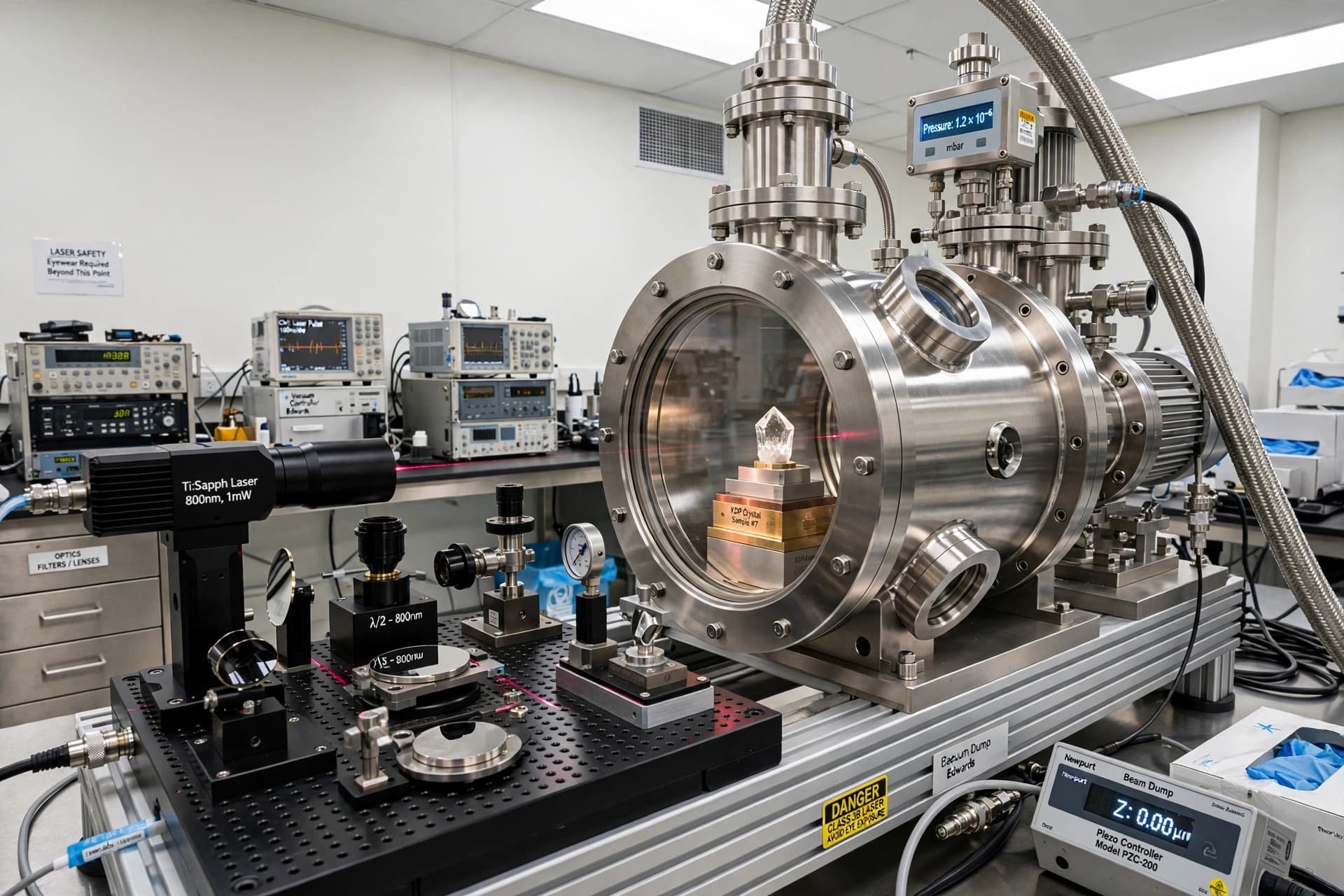
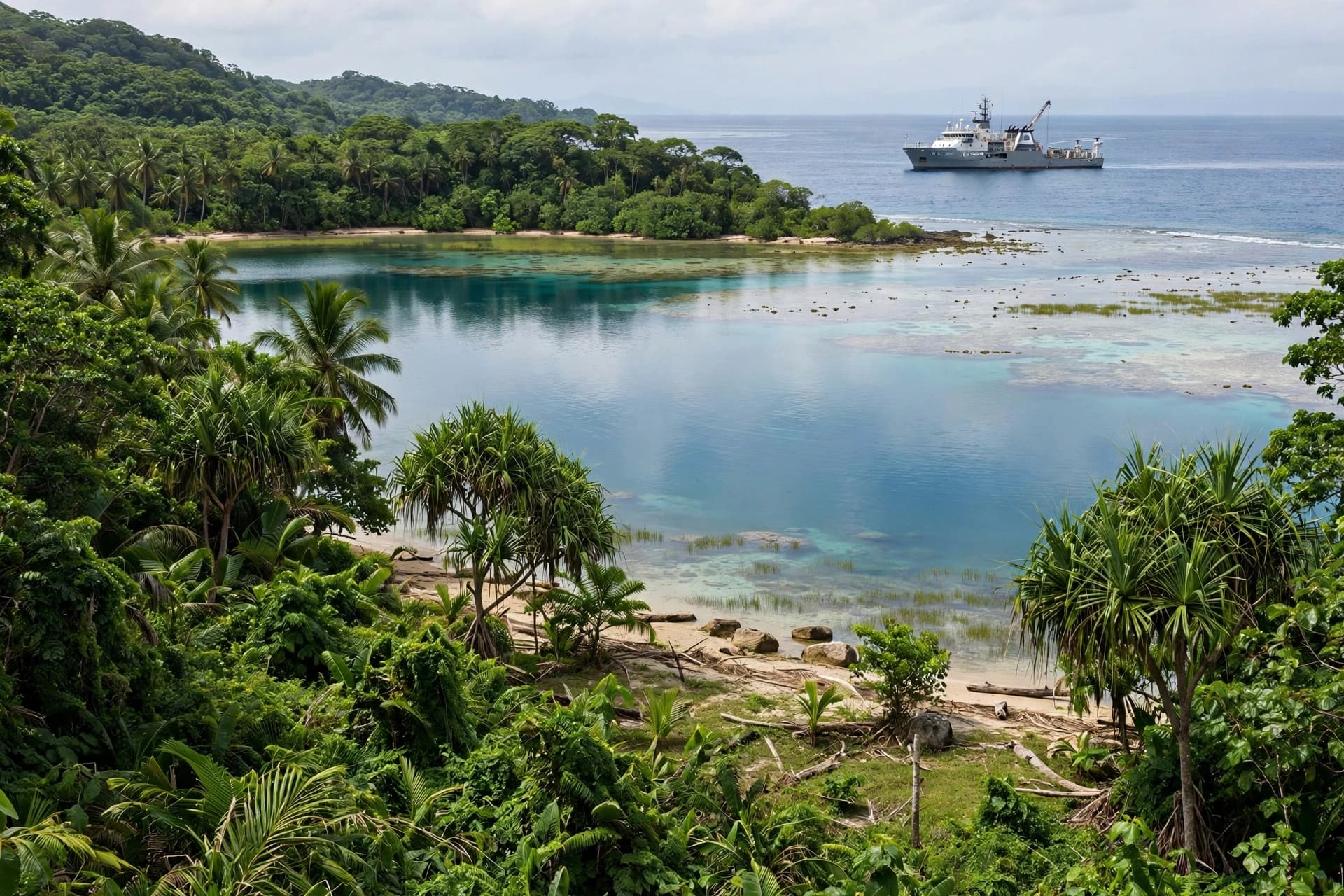
The collaboration between McMaster and the Hakai Institute, an ecological research center in British Columbia, reflects both the breadth and depth of this challenge. While much of the permafrost work will take place in Hamilton and McMaster’s labs, marine sediment cores — another repository of ancient DNA — will be analyzed largely at Hakai’s coastal facilities. This dual focus connects Canada’s northern frozen plains with its Pacific shoreline, reinforcing the idea that climate’s fingerprint is global in scope and multi-faceted in expression.
One of the project’s goals is to establish the Canadian Ancient DNA (Can-aDNA) Network, a platform for standardizing methods and uniting researchers across the country. In bringing together data and expertise nationwide, the network aims to elevate Canada’s role in palaeogenomics — the study of ancient genomes — while training a new generation of scientists in cutting-edge laboratory and computational techniques. As graduate students and postdoctoral researchers join fieldwork and analysis phases, they become part of a lineage of inquiry that stretches from past ecosystems into future forecasting.
There is poetry in the idea that fragments of DNA, preserved over eons, can speak to us now about adaptability and resilience. By tracing how plants and animals once responded to warming and cooling cycles, researchers seek not only to understand what has been lost but also to discern patterns that might guide conservation and climate strategies today. In that sense, each molecule of ancient DNA is both a whisper from the past and a nudge toward informed stewardship of the living world.
In straightforward terms, McMaster University and the Hakai Institute have been awarded a $2.3 million grant to conduct an ancient DNA study focused on past climate change responses. The work will explore environmental DNA from permafrost and marine sediments, establish a national research network, and train new palaeogenomics researchers as part of efforts to improve understanding of contemporary ecosystem change.
AI Image Disclaimer “Visuals are created with AI tools and are not real photographs.”
Sources McMaster News News Minimalist
Published by Banx Network. This article is part of the Banx decentralized media programme, powered by the BXE token on the XRP Ledger.