There is a particular tension that arises when accountability and operational caution meet in the same room. One voice asks for evidence, for transparency, for a record of what happened in moments that cannot be undone. The other speaks of privacy, of unintended consequences, of the quiet work that must sometimes remain unobserved. In Washington this week, that tension found its voice in a disagreement between the Department of Homeland Security and the government's own watchdog over how—and whether—Immigration and Customs Enforcement officers should record their actions.
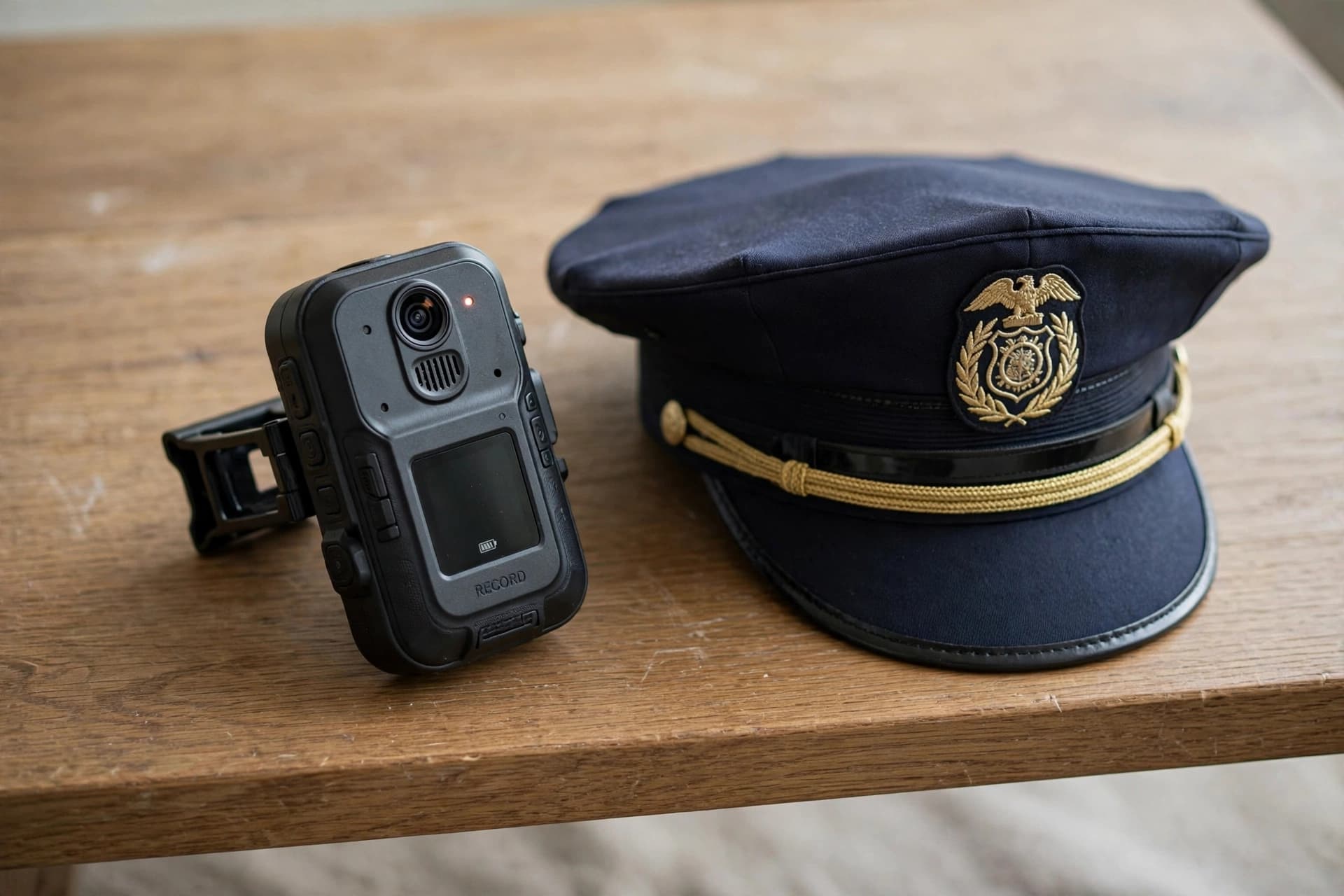
The Government Accountability Office released a report Wednesday recommending that ICE adopt technology to automatically activate body-worn cameras when officers draw weapons, similar to systems already used by Customs and Border Protection . The GAO also urged both agencies to develop clearer operational guidance and performance goals for their camera programs, noting that personnel at multiple locations expressed uncertainty about when recording was required .
DHS accepted six of the seven recommendations but rejected the call for automatic activation . In its formal response, the department argued that automatic recording could capture sensitive interactions with informants or victims, or inadvertently film bystanders engaged in First Amendment activities in areas where camera use is restricted . "ICE has determined that the privacy, evidentiary and operational risks associated with automatic activation technology outweigh its potential benefits," wrote Jeffrey Bobich, executive director of financial management at DHS .
The GAO pushed back, noting that DHS offered no alternative safeguards or suggestions for environments where automated activation might work . The watchdog pointed out that CBP has used automatic activation without encountering the problems ICE fears, and warned that without reliable controls, ICE risks gaps in video evidence that could complicate reviews of incidents .
The backdrop to this debate is a series of high-profile shootings involving federal immigration officers. DHS acknowledged that ICE officers involved in two deadly shootings in Texas and Maine this summer were not wearing cameras . The GAO report found that since the inception of both agencies' camera programs through September 2025, ICE had issued no written reprimands for camera policy violations, while CBP had issued just one .
Lawmakers have taken notice. Representative Bennie Thompson, the top Democrat on the Homeland Security Committee, said the GAO report "shows that DHS's body worn camera program is deficient and needs to be revamped if DHS is going to be transparent and accountable" . The agency has distributed thousands of cameras—4,800 to ICE and 11,500 to CBP as of June—but the question of how reliably they are activated remains unresolved .
The disagreement reflects a broader question that has shadowed American law enforcement for years: whether the value of a visual record outweighs the concerns about what such recording might capture. For now, the cameras remain, but the choice to turn them on rests largely with the officers who wear them.
The images accompanying this article are AI-generated for illustrative purposes only.
Sources: Axios, Bloomberg Government News, The Washington Times, The Verge, Louisiana Illuminator
Published by Banx Network. This article is part of the Banx decentralized media programme, powered by the BXE token on the XRP Ledger.

.jpg&w=3840&q=75 "Sally Rooney’s Books to Be Withdrawn From UK Sale Over Palestine Action Support")