In the race against time to save one of Australia’s most iconic marsupials, scientists are turning to the cold. By deep-freezing koala eggs and sperm, researchers are creating a biological insurance policy against extinction. This innovative approach, known as cryopreservation, offers hope for a species threatened by habitat loss, disease, and climate change.
Koalas have faced significant declines in recent decades, with populations plummeting due to bushfires, urban expansion, and chlamydia infections. Traditional conservation efforts, such as habitat restoration and medical treatment, are vital but may not be enough to ensure long-term survival. Cryopreservation provides a backup plan, preserving genetic diversity that can be used to bolster wild populations or establish new ones in the future.
The process involves collecting gametes from healthy koalas and storing them at extremely low temperatures, typically in liquid nitrogen. At these temperatures, biological activity stops, allowing the cells to remain viable for decades or even centuries. When needed, these samples can be thawed and used for assisted reproduction techniques, such as in vitro fertilization, to produce healthy offspring.
Recent advancements in reproductive technology have made this process more efficient and successful. Researchers have refined the methods for freezing and thawing koala gametes, improving survival rates and fertility outcomes. These technical breakthroughs are crucial for making cryopreservation a practical tool in conservation biology.
The ethical considerations of such interventions are also being carefully examined. While some argue that manipulating reproduction is unnatural, others see it as a necessary step to prevent irreversible loss. The goal is not to replace natural breeding but to support it, ensuring that genetic diversity is maintained and inbreeding is minimized.
Community involvement plays a key role in this effort. Wildlife hospitals and sanctuaries collaborate with scientists to collect samples from koalas undergoing medical treatment. This partnership ensures that conservation efforts are integrated with daily care, maximizing the benefits for individual animals and the species as a whole.
Looking ahead, the frozen bank of koala genetics could serve as a resource for global conservation initiatives. As climate change alters habitats, the ability to reintroduce genetically diverse individuals will be critical. This project represents a blend of science, compassion, and foresight, aiming to secure a future for the koala.
Closing: As the ice preserves the promise of life, scientists remain committed to the koala’s survival. The deep-freeze initiative is a beacon of hope, demonstrating that human ingenuity can play a positive role in protecting the natural world.
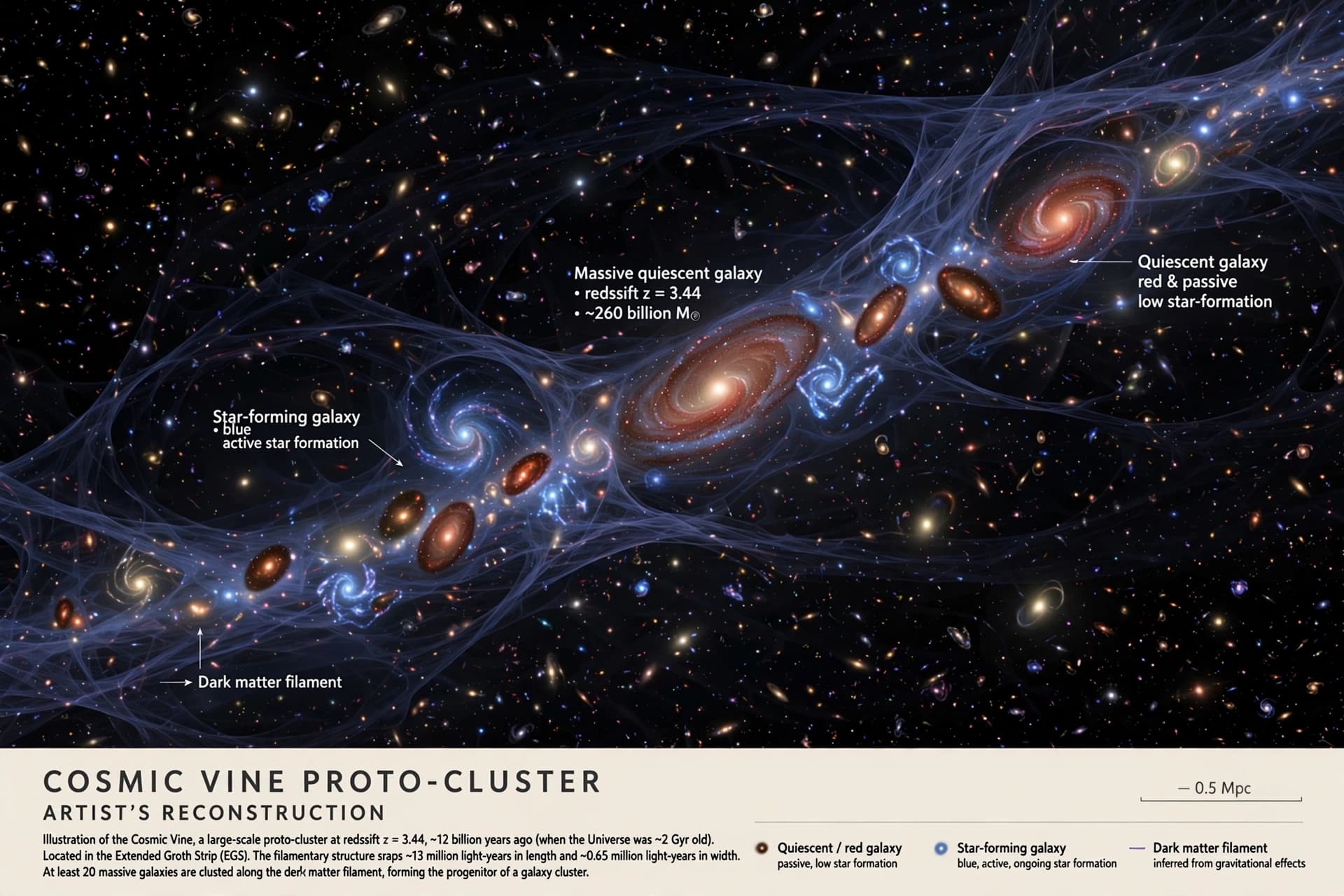
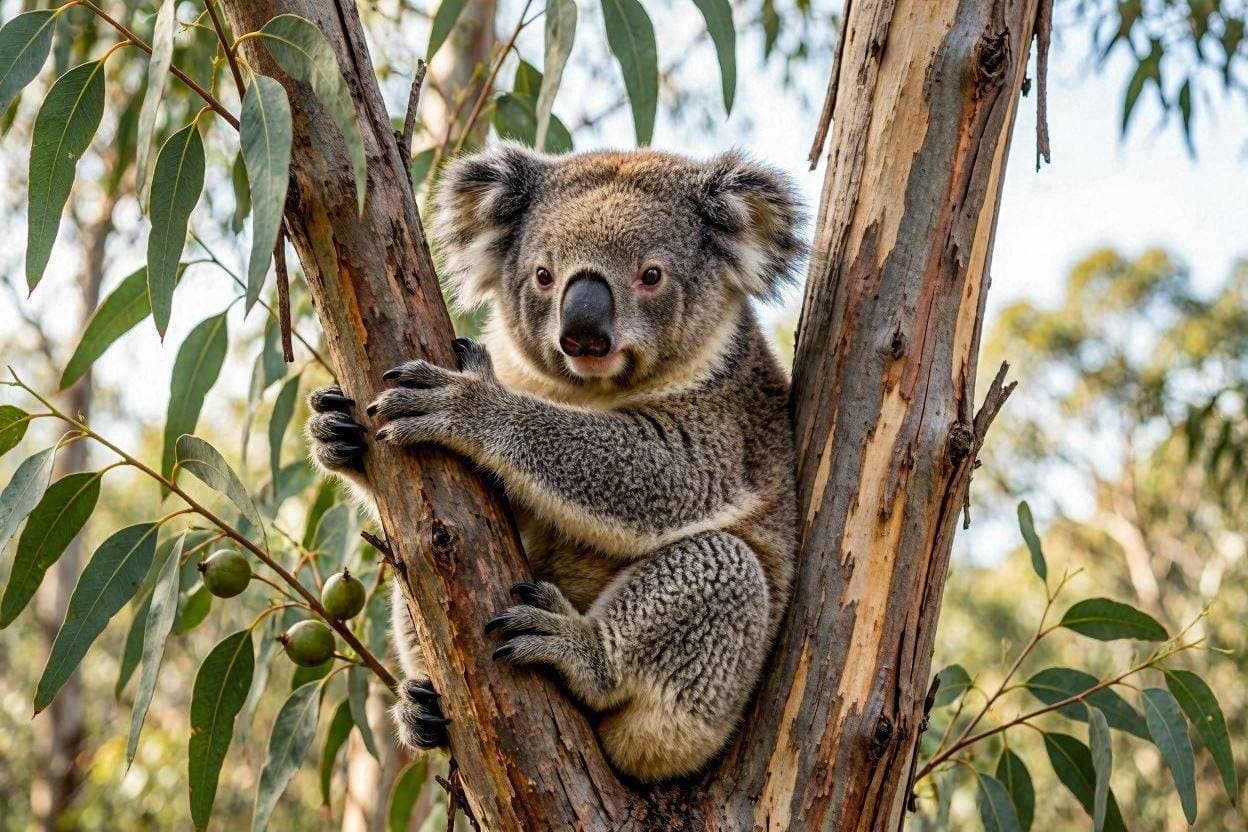
AI Image Disclaimer: The accompanying visuals are AI-generated representations intended to illustrate the context of the article and do not depict actual laboratory procedures or specific koalas.
Sources: National Geographic ABC News The Conversation Wildlife Conservation Society
Published by Banx Network. This article is part of the Banx decentralized media programme, powered by the BXE token on the XRP Ledger.