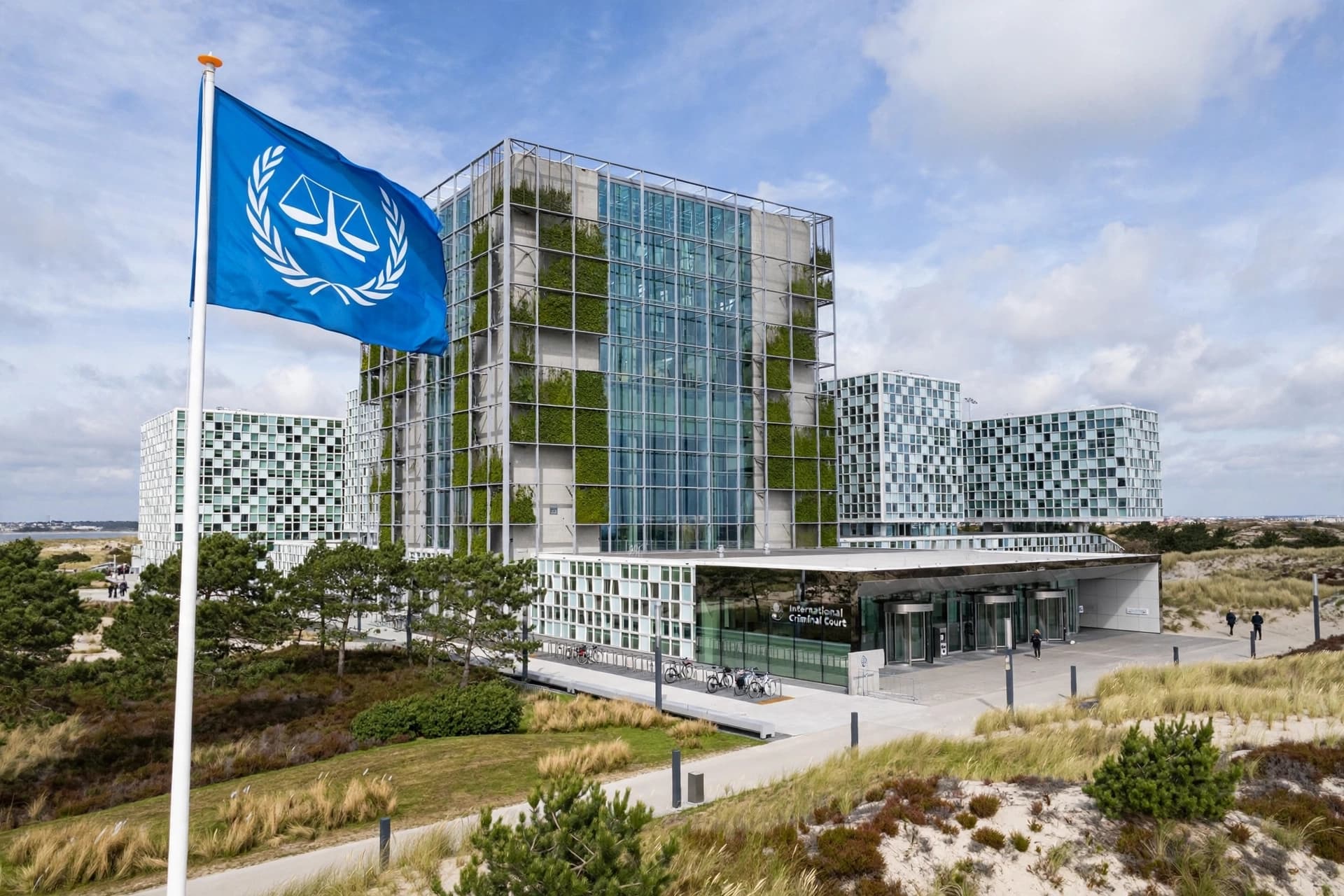
There is a particular weight to a ruling that a former head of state is competent to answer for his actions—a ruling that does not determine guilt or innocence but that clears the way for a trial to proceed, that affirms that age and infirmity are not automatic exemptions from accountability, and that brings the machinery of international justice one step closer to a reckoning that has been years in the making. In The Hague, that ruling has now been issued. International Criminal Court judges have determined that Rodrigo Duterte, the former president of the Philippines, is fit to stand trial on charges of crimes against humanity related to his deadly war on drugs.
Duterte, 81, was arrested in March 2025 and transferred to the ICC's detention center in Scheveningen. He is charged with murder and other crimes against humanity for his role in a campaign that, according to prosecutors, resulted in the deaths of thousands of Filipinos—most of them poor, most of them killed without trial, many of them the victims of vigilante violence that the government encouraged and enabled. Human rights groups have documented more than 30,000 killings during Duterte's time as mayor of Davao City and later as president, though the government has acknowledged only a fraction of that number.
The competence ruling was the result of a medical assessment requested by Duterte's defense team, which argued that he suffers from cognitive decline and is unable to participate in his own defense. The judges reviewed the assessment and concluded that while Duterte has some health issues, he is capable of understanding the proceedings and instructing his counsel. The ruling means that the case can proceed to trial, a process that is expected to take years and that will involve testimony from victims, witnesses, and former government officials.
For the families of those killed in Duterte's war on drugs, the ruling is a moment of cautious hope. They have waited years for accountability, and the ICC process is slow, deliberate, and often frustrating. But it is also the only forum in which Duterte is likely to face justice, since the Philippine government has consistently refused to prosecute him. The ICC's involvement has been controversial in the Philippines, where Duterte retains a base of support and where some argue that the court is infringing on national sovereignty. But for the victims, the ICC represents the possibility that the deaths of their loved ones will not go unanswered.
Duterte has denied wrongdoing and has characterized the ICC proceedings as a political vendetta. His legal team has said it will continue to challenge the court's jurisdiction and the admissibility of the case. The trial will proceed regardless. The judges have ruled. The former president, who once boasted that he would gladly kill drug dealers himself, will now face the court that he has spent years denouncing. The trial is expected to begin in the coming months. The victims' families will watch. And the question of whether international justice can reach a man who once commanded the power of a state will be answered, slowly and imperfectly, in a courtroom in The Hague.
AI Image Disclaimer: The images accompanying this article were generated by artificial intelligence and are for illustrative purposes only.
Sources: International Criminal Court, Reuters, Associated Press, Human Rights Watch
Published by Banx Network. This article is part of the Banx decentralized media programme, powered by the BXE token on the XRP Ledger.