Key Highlights
- IAEA Report:The International Atomic Energy Agency has raised alarms regarding Iran's Isfahan Fuel Enrichment Plant.
- Inspection Concerns:The agency has not been permitted to inspect the facility, raising questions about its status.
- Urgent Call for Action:The IAEA urges Iran to facilitate inspections to ensure nuclear material is used peacefully.
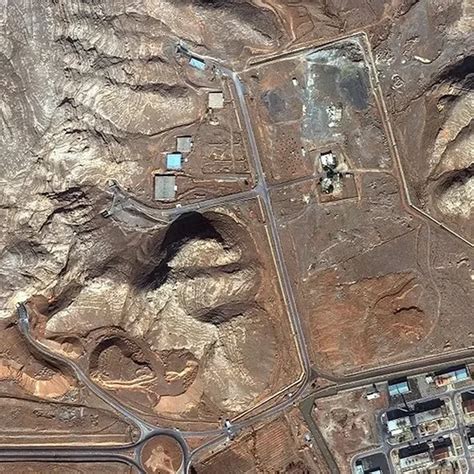
The International Atomic Energy Agency (IAEA) has issued a confidential report expressing significant concerns about Iran's Isfahan Fuel Enrichment Plant, which has not been inspected since its declaration last year. The agency's inability to access the facility has led to uncertainty regarding its exact location, the status of safeguards, and whether any nuclear material is present. This lack of oversight raises alarms about the potential for undisclosed nuclear activities.
In its report, the IAEA emphasized that it cannot confirm whether the nuclear material declared by Iran is being used for peaceful purposes. The agency's concerns are compounded by the fact that it has not been able to conduct inspections since June, which has heightened fears about the transparency of Iran's nuclear program. The IAEA's Director General has called on Tehran to take gradual steps toward allowing inspections to restore confidence in its nuclear activities.
The Isfahan facility is critical to Iran's uranium enrichment efforts, and its status has become a focal point in ongoing discussions about the country's nuclear ambitions. The IAEA's report highlights the need for Iran to comply with international obligations and to provide clarity on its nuclear intentions. The agency's findings come amid increasing tensions between Iran and the West, particularly as negotiations over the nuclear deal have stalled.
Iran's government has maintained that its nuclear program is intended for peaceful purposes, primarily for energy generation. However, the lack of inspections raises questions about the true nature of its activities. The IAEA's report serves as a reminder of the importance of transparency and accountability in nuclear programs, particularly in regions with geopolitical tensions.
As the situation develops, the IAEA's call for renewed inspections will be crucial in determining the future of Iran's nuclear program and its relationship with the international community. The agency's ability to monitor and verify nuclear activities is essential for ensuring compliance with international agreements and preventing the proliferation of nuclear weapons.
In conclusion, the IAEA's concerns about the Isfahan enrichment plant underscore the ongoing challenges in monitoring Iran's nuclear program. The agency's report highlights the urgent need for cooperation and transparency to address these issues effectively.
Published by Banx Network. This article is part of the Banx decentralized media programme, powered by the BXE token on the XRP Ledger.