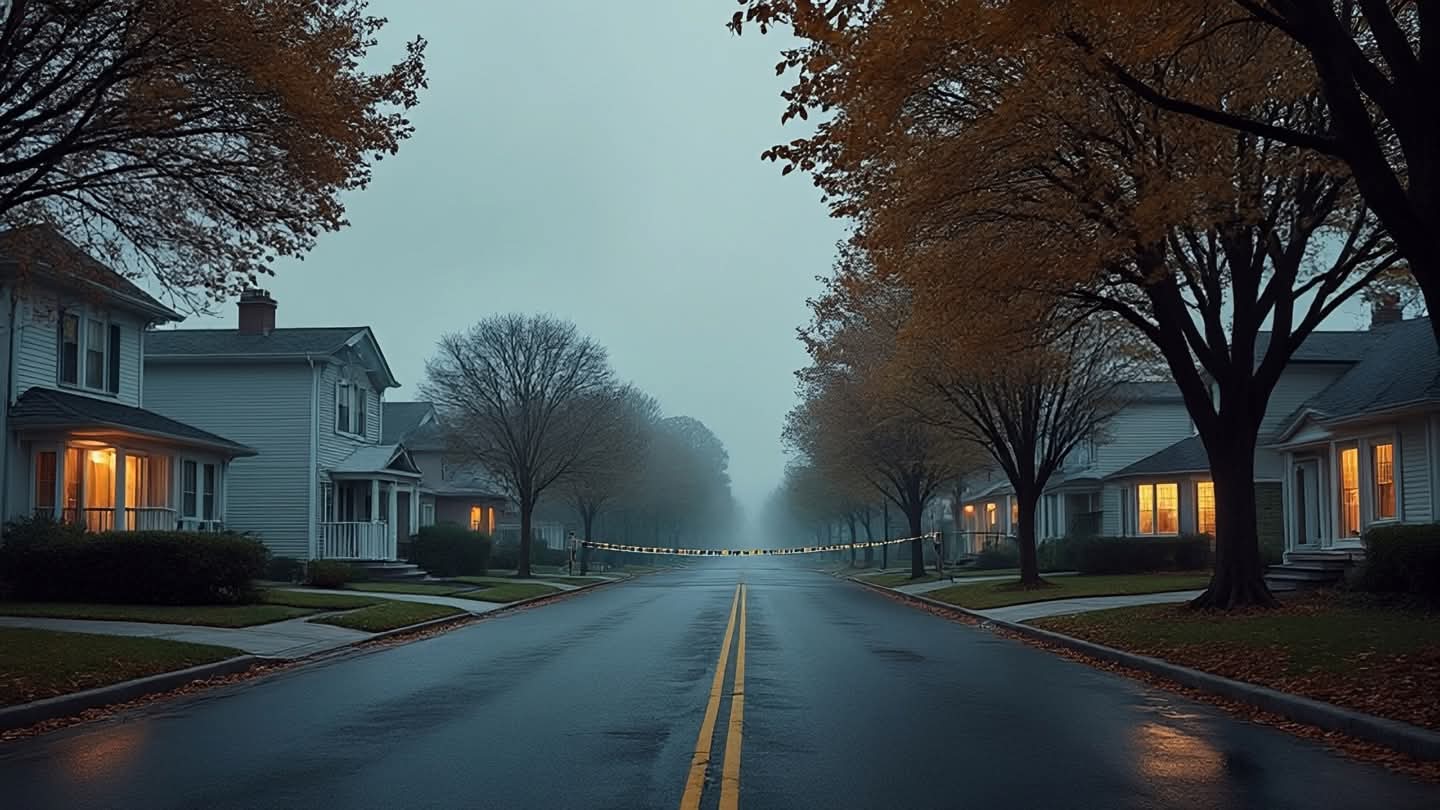
There are years that shift a town’s rhythm — a season of abundant bloom, a flood that redraws paths, or, in the case of Japan’s northeastern communities in 2025, an unprecedented surge of bear encounters that has left streets, forests, and households unsettled. In Osaki, a town known for its hot springs, autumn leaves, and traditional kokeshi dolls, residents have found themselves sharing space not just with fellow townsfolk but with wildlife once confined largely to the deep woods. What was once a sporadic worry has become the major topic of local life.
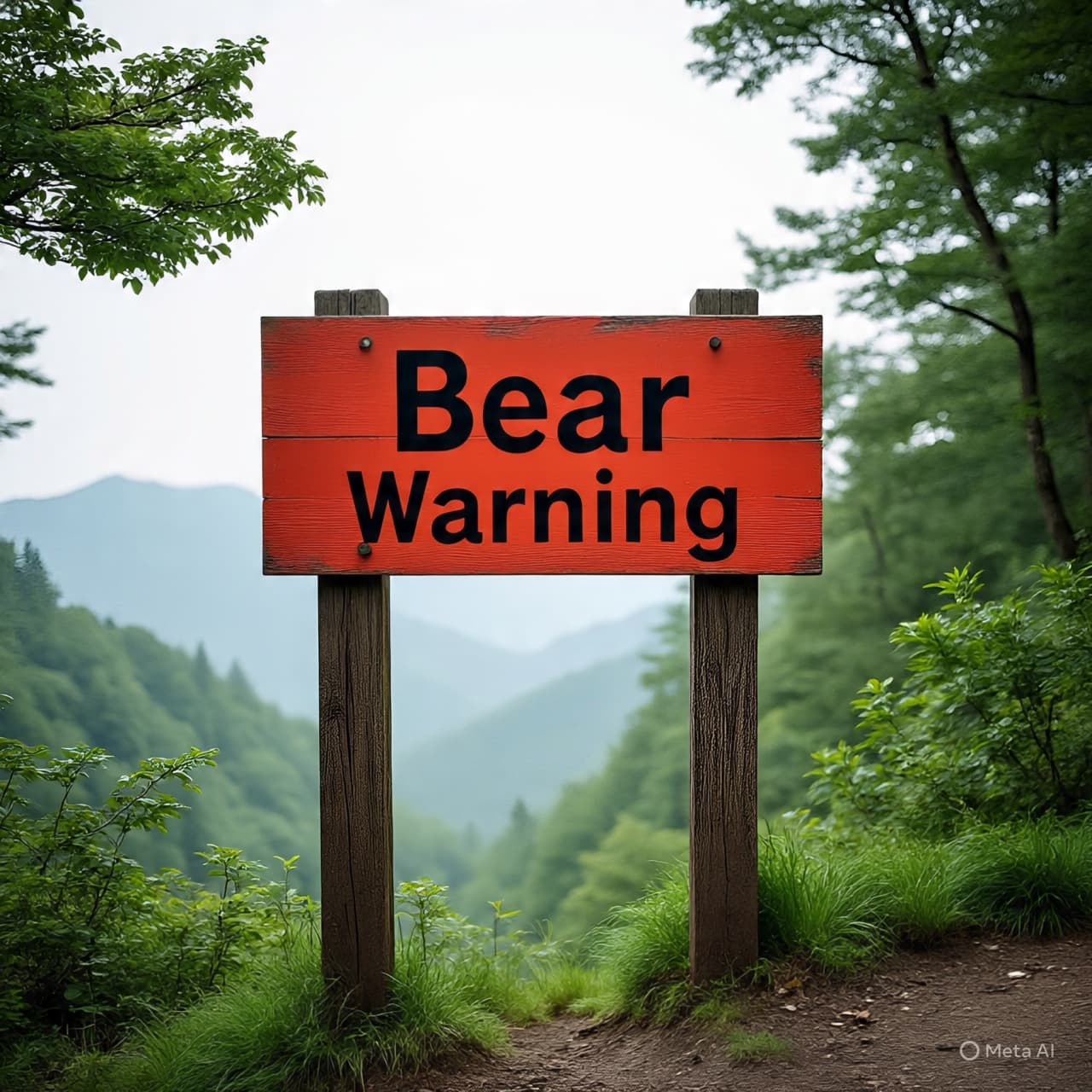
This year saw Osaki report roughly 400 bear sightings, a marked increase from fewer than 100 in 2024. Across Japan, the picture is stark: record levels of bear interactions have been reported nationwide, leading to at least 13 deaths and nearly 200 attacks from April through late 2025. In nearby regions, towns that once carried the quiet assurance of forest fringe living now place warning posters, safety advice in multiple languages, and sound alerts to protect hikers and locals alike.
For many residents, the bears have been more than a statistic; they’ve been a palpable presence. One woman in her 70s was seriously injured while picking vegetables near her home, and others recount sightings where bears have snatched pets or trampled yards. Tourist spots like Naruko Onsen — usually bustling with visitors seeking hot springs and autumn hues — have seen cancellations and a dampening of travel as guides and local businesses worry about safety.
Experts point to several intertwined causes. Poor acorn and beechnut harvests — vital food sources for bears — are blamed on changing climate patterns, pushing bears to wander further and delay hibernation in search of sustenance. At the same time, bear populations have grown significantly in recent decades, increasing from estimates of around 15,000 Asian black bears in 2012 to over 40,000 today in Honshu alone.
The result has been an unprecedented overlap of human and bear habitats. Bears are no longer confined to deep forests but are venturing into urban spaces, school areas, and even residential streets. In some districts, authorities have gone so far as to enlist the Self‑Defense Forces to assist in trapping and removing problem animals, even as laws prohibit shooting them in many circumstances. Officials in Akita Prefecture lament that bears have lost their natural fear of humans; once shy creatures now associate human spaces with accessible food like fruit trees near homes.
Locals have adapted in simple ways — hikers wear bells and carry repellant spray, residents avoid early morning and late evening outings, and community bulletins circulate with frequent bear safety tips. Some experts argue that wildlife management must become a national policy issue, not just a concern for rural mountain villages, as bears increasingly appear across broader swaths of Japan.
Looking ahead, there is cautious hope. Some scientists note that poor natural food yields tend to occur in two‑year cycles, meaning that improved harvests in 2026 could ease the pressure driving bears into towns and villages. Yet without long‑term strategies that balance human safety with habitat preservation, these encounters may continue to challenge communities’ sense of security and coexistence.
As Osaki’s residents remind each other, coexistence with nature has always required adaptation — but this year, it has demanded it in a very direct, very visible way. And in the quiet moments, as the bells and whistles hang outside homes and hikers prepare their gear, there’s a shared sense that the boundary between forest and town is no longer a distant line but a lived reality.
AI IMAGE DISCLAIMER “Visuals are created with AI tools and are not real photographs.”
SOURCES (News Media Names Only) The Guardian Associated Press Reuters The Japan Times The Independent
Published by Banx Network. This article is part of the Banx decentralized media programme, powered by the BXE token on the XRP Ledger.