DECENTRALIZED MEDIA IS LIVE POWERED BY
Banx Media Platform logo
AIRoboticsHappening Now

"Humanoid Robot Outruns Humans: Breaks Half-Marathon World Record in Beijing"

A groundbreaking event unfolded in Beijing as a humanoid robot set a new half-marathon world record, outperforming the previous human record and showcasing the advancements in robotics and artificial intelligence.

J

Joseey Tonney

EXPERIENCED
1 min read
10 Views
"Humanoid Robot Outruns Humans: Breaks Half-Marathon World Record in Beijing"

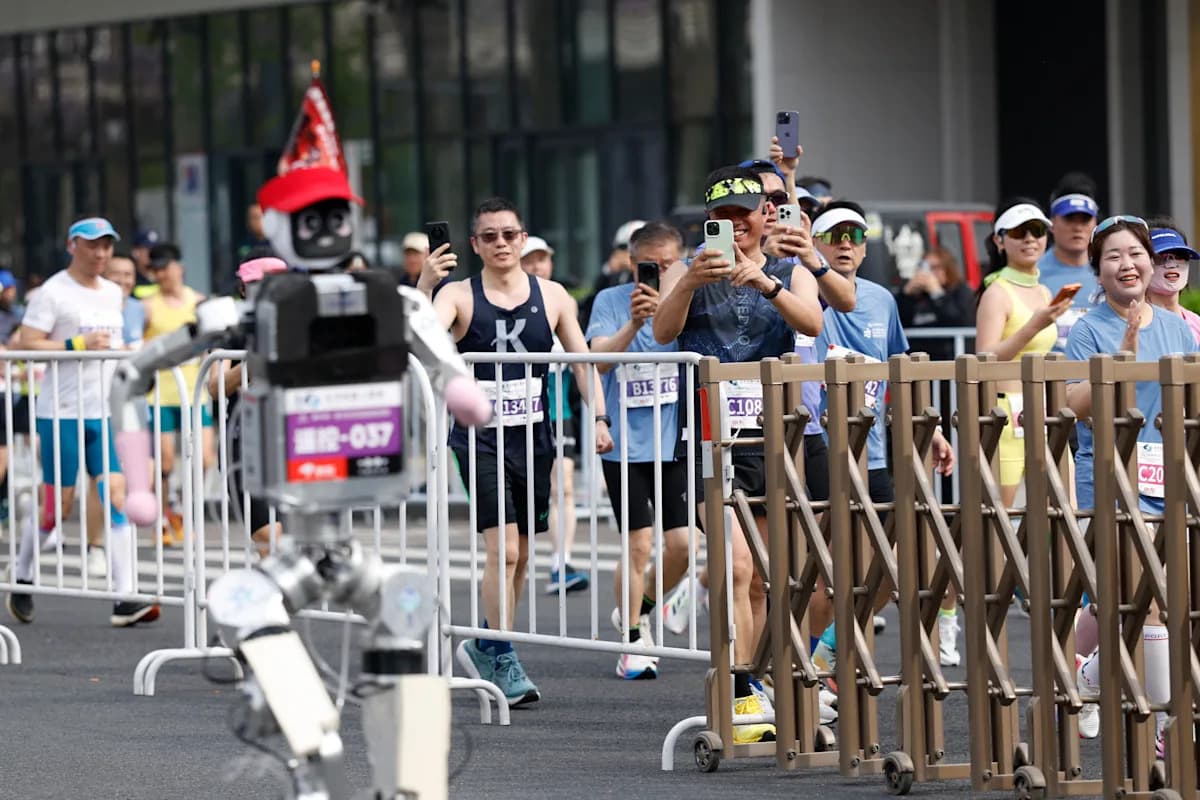
In a stunning display of technological achievement, a humanoid robot named "Speedster" sprinted to victory at the Beijing Half-Marathon, achieving a time of just 1 hour, 29 minutes, and 12 seconds. This remarkable feat has not only captured global attention but has also raised questions about the future of sport and the capabilities of artificial intelligence.

Developed by a team of engineers at the Beijing Robotics Institute, Speedster is equipped with advanced algorithms that optimize its running technique, enabling it to adapt to varying terrains and conditions in real time. The design mimics human biomechanics, allowing it to maintain an impressive pace throughout the race.

The event attracted thousands of spectators and media personnel, all eager to witness this historic moment. As the robot crossed the finish line, cheers erupted from the crowd, emphasizing the excitement surrounding robotics in sports.

Experts in both robotics and athletics noted that Speedster's success may push the boundaries of performance expectations. "We are witnessing the dawn of a new era in sports where robots can compete with human athletes," said Dr. Li Wen, a leading researcher in robotic engineering. "While it does raise ethical questions about competition, it highlights the incredible possibilities of innovation."

The implications of this achievement extend beyond sports. It suggests potential applications for robots in various fields, including search and rescue operations, healthcare, and even military use, where speed and efficiency are paramount.

As the robotics community celebrates this milestone, discussions are already underway about establishing categories for robot competitions to ensure a fair and innovative future in the world of athletics. With Speedster setting the bar high, only time will tell how human athletes will respond to this challenge, but one thing is clear: the race has just begun.

Published by Banx Network. This article is part of the Banx decentralized media programme, powered by the BXE token on the XRP Ledger.

Decentralized Media

Powered by the XRP Ledger & BXE Token

This article is part of the XRP Ledger decentralized media ecosystem. Become an author, publish original content, and earn rewards through the BXE token.

Newsletter

Stay ahead of the news — and win free BXE every week

Subscribe for the latest news headlines and get automatically entered into our weekly BXE token giveaway.

No spam. Unsubscribe anytime.

Share this story

Help others stay informed about crypto news

Related articles

Keep exploring the latest stories.

View more
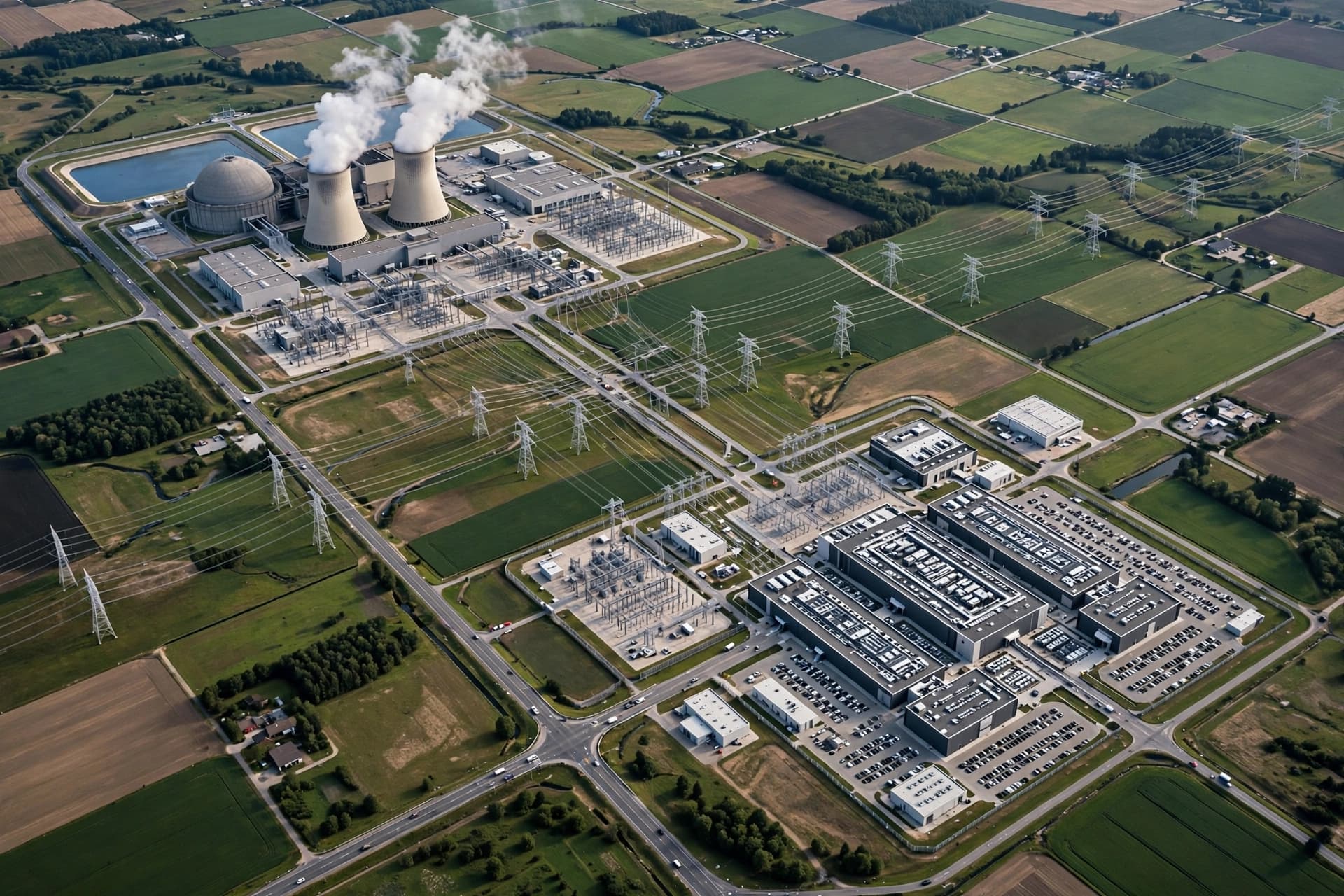
As Artificial Intelligence Consumes More Power, Google and Constellation Connect Digital Growth With America’s Nuclear Future

As Artificial Intelligence Consumes More Power, Google and Constellation Connect Digital Growth With America’s Nuclear Future

Google signed a 3,590-MW electricity agreement with Constellation, including 890 MW from upgraded nuclear capacity.

The Justice Department now speaks of “super intelligence,” but the questions remain.

The Justice Department now speaks of “super intelligence,” but the questions remain.

The Justice Department has instructed employees to use “super intelligence” instead of “artificial intelligence” in official communications, following a Trump …

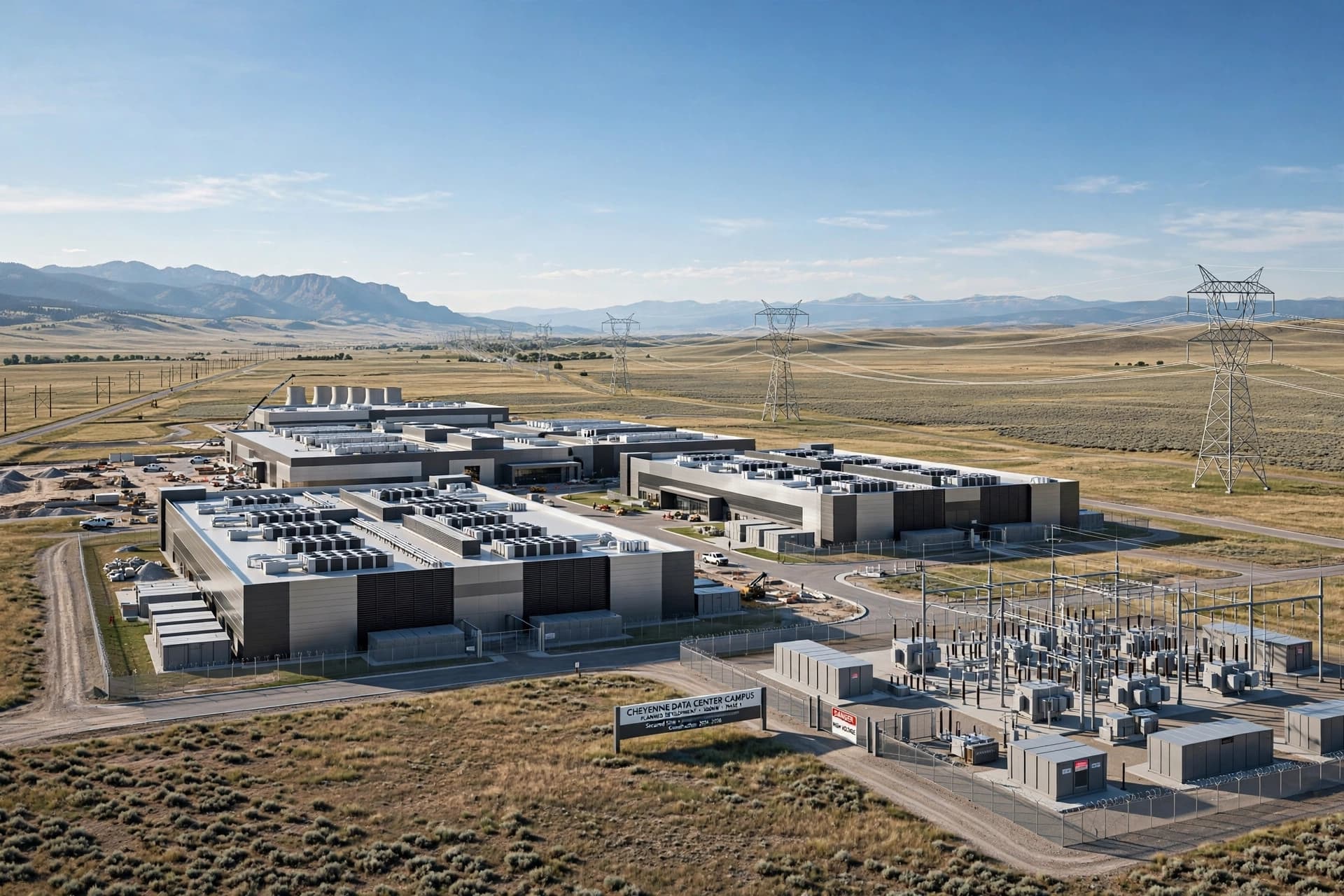
When Wyoming Turns Toward Tomorrow: Energy, Data Centers, and the Quiet Weight of Artificial Intelligence

When Wyoming Turns Toward Tomorrow: Energy, Data Centers, and the Quiet Weight of Artificial Intelligence

Black Hills plans a $1.8 billion power investment for a proposed Google data center in Cheyenne, Wyoming, with power deliveries expected from late 2027.