
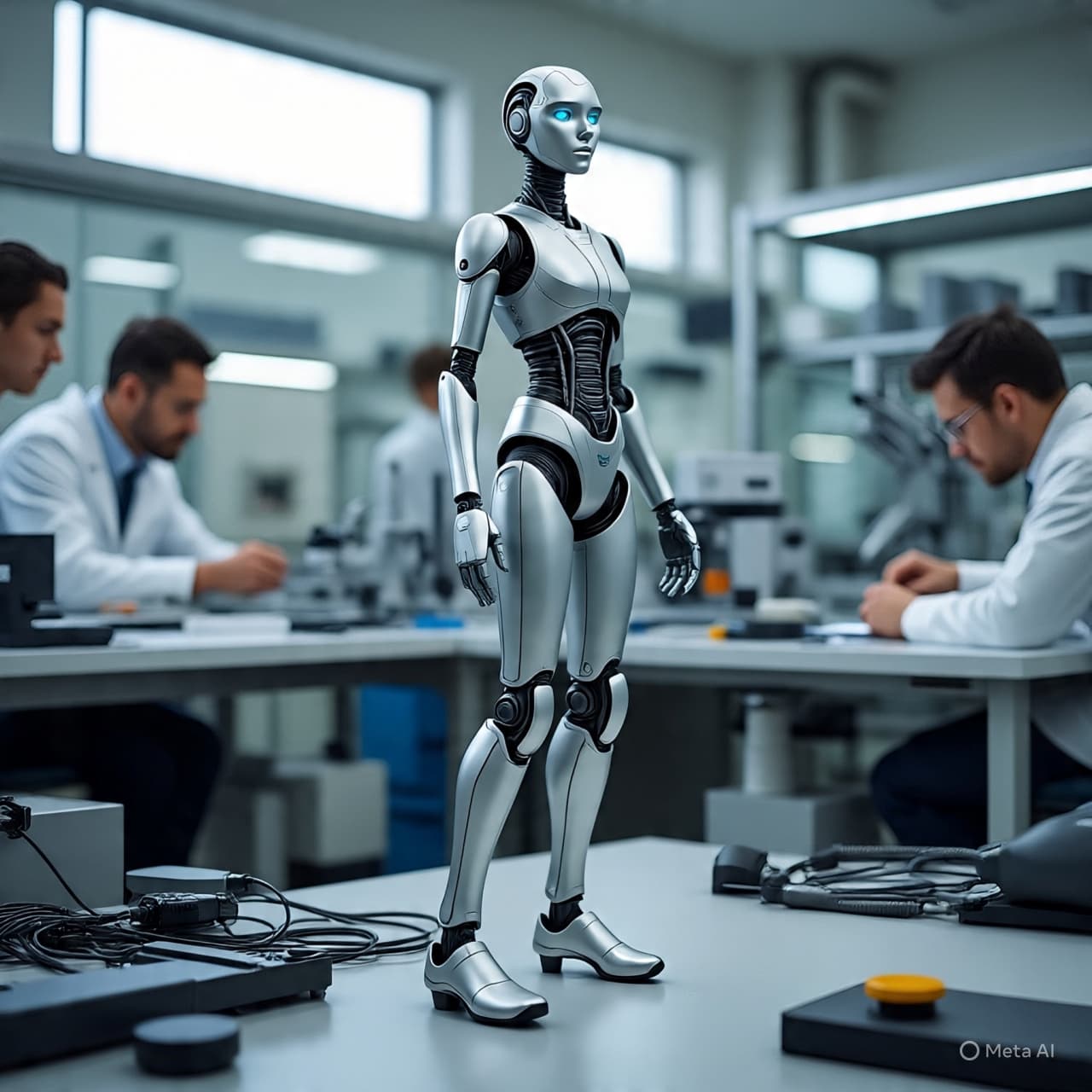
In a sun‑splashed conference hall in Mountain View, California, a gathering that once radiated boundless optimism about the future of robots ended on a surprisingly sober note. At the recent Humanoids Summit, engineers, entrepreneurs and venture capitalists convened not to celebrate breakthroughs, but to confront a growing unease: many of the humanoid robots showcased — designed to walk like humans, navigate environments like humans, even be humans’ helpers — simply aren’t delivering what was promised.
For years, the idea of a personal robot butler — one that can tidy a room, lift a box, or help an older person with daily tasks — has fired imaginations and investment alike. Some companies even take preorders for humanoids at prices near $20,000, banking on early adopters’ enthusiasm. But industry insiders are sounding cautious notes, warning that today’s humanoids often feel more like expensive toys than practical laborers.
At the summit itself, one leading robotics CEO said bluntly that the technology lacks definition as a true product category and risks creating millions of dissatisfied customers if sold widely in its current form. The comparison offered was telling: full‑bipedal humanoid robots, he suggested, are the “Newtons of our times” — flawed, prematurely released devices that promise more than they deliver, echoing the technology flops of the past.
Even as massive investments continue to flow into the field, critics within the industry point to persistent challenges. Some robots struggle to complete simple manual tasks without human oversight, and robust safety safeguards consume far more resources than the robots’ narrow utility justifies. One robotics executive noted that for every $100 spent on deploying a robot in a workplace, nearly $80 of that goes toward making sure the robot doesn’t injure people, not toward productive work itself.
The skepticism isn’t limited to small players. Even brands associated with big names — from autonomous vehicle makers to legacy industrial robotics firms — have acknowledged that current humanoid designs are not ready for the sweeping roles that early hype suggested. While some humanoids can be teleoperated to perform basic actions like surface cleaning or wiping walls, true autonomy — especially in complex, unstructured environments like homes — remains out of reach.
This contrast between promise and reality reflects a broader tension: investors and the public have different expectations from engineers and developers. Tesla’s well‑publicized promises of mass‑market humanoids and similar ambitious goals from others have raised hopes, but many insiders argue that the form factor itself — trying to make a machine walk, balance and manipulate objects like a human — might be the fundamental bottleneck. Alternatives that lean away from human form or emphasize specialized industrial tasks may yet prove more pragmatic and economically viable.
The result is a moment of introspection within robotics: the industry’s most ardent boosters are admitting that today’s humanoid robots fall short of usefulness and that widespread deployment — especially as household helpers — may be years, if not decades, away. For now, the machines may still capture attention with graceful demos and bold predictions, but behind the scenes, developers are wrestling with the awkward fact that robots still suck at the very tasks they were supposed to revolutionize.
AI IMAGE DISCLAIMER “Visuals are created with AI tools and are not real photographs.”
SOURCES Gizmodo Wall Street Journal (via news analysis) StartupNews.fyi Additional commentary from industry reporting
Published by Banx Network. This article is part of the Banx decentralized media programme, powered by the BXE token on the XRP Ledger.

.jpg&w=3840&q=75 "The Artemis Revolution: How NASA Plans to Build Humanity's Future on the Moon")