Article There’s a peculiar hush that settles over a city just after the lights flicker back on — a collective exhale, the quiet si
in recent days: enduring a brutal stretch of winter weather that, by all rights, might have left entire regions in darkness, yet citizens bathed in steady electricity. There is resilience in that hum, a testament to decades of engineerincelebrated labor by countless technicians whose work goes unseen until it is needed most. reassuring current lies a deeper hum of concern — one that whispers of the tensio today and vulnerability tomorrow. As winter demand pressures surge and climate patterns continth new extremes, grid operators and energy analysts alike are facing a quiet reckoning about the sustainability of the system that keeps our homes warm, businesses humming, and data centers feeding the digital world.
This past week, the nation’s largest grid operator, PJM Interconnection, watched electricity demand approach its all-time winter record as Arctic temperatures kept millions bundled under roofs and heaters turned to maximum. Even so, despite the strain that once would have signaled rolling blackouts, the grid largely held firm — a sign of incremental improvements since past crises.
Yet stability under strain is not the same as strength without challenge. Across multiple regions of the country, power plants experienced outages as cold weather constrained natural gas supplies and transmission lines bore the weight of extreme demand. Operators issued pre-emergency directives and prepared stage plans to curtail electricity to certain sectors if needed.
Analysts watching these developments describe a grid parked on a ledge: its foundation still supporting daily life, but its margins for error shrinking. The North American Electric Reliability Corporation, a key regulator assessing grid risk, warned that rising electrification — from electric heating to the sprawling demands of AI data centers — will outpace additions to power supply and transmission capacity. In effect, the grid may continue to “survive the storm” now, yet grow more brittle as demand expands and traditional reserve margins dwindle over the next half decade.
It’s a reminder that resilience is a journey, not a destination. Today’s grids have weathered intense cold without cascading blackout, thanks in part to rules that allow flexibility in prioritizing power supply — even to temporarily bypass environmental or state regulations under emergency conditions. But this tactical responsiveness does not negate the deeper structural questions: Can infrastructure built for the past century’s patterns handle the next era’s extremes? And how will climate change, shifting consumption, and new industrial loads rewrite the terms of reliability?
Some of this tension is subtle — engineers talk about reserve margins thinning, about changing fuel mixes that make winter generation more precarious. Others are stark: operators warn that what held this year may not hold under deeper demand or a more severe weather swing. The current system, while still functioning, faces not merely stress but transformation pressure, demanding investment and innovation that sometimes move more slowly than the challenges themselves.
In that sense, the hum of electricity right now is both comfort and call to attention. It tells a story of survival, yes, but also of work that must continue if that survival is to be sustained. The next five years may well be rough not because the lights will unexpectedly go out, but because the delicate balance that keeps them on will become ever harder to maintain without foresight, funding, and collective will.
And as engineers, policymakers, and communities take stock of both the grit and the gaps exposed by winter’s trials, they will confront a question that has little to do with kilowatts and everything to do with the kind of future — both resilient and equitable — that we choose to build.
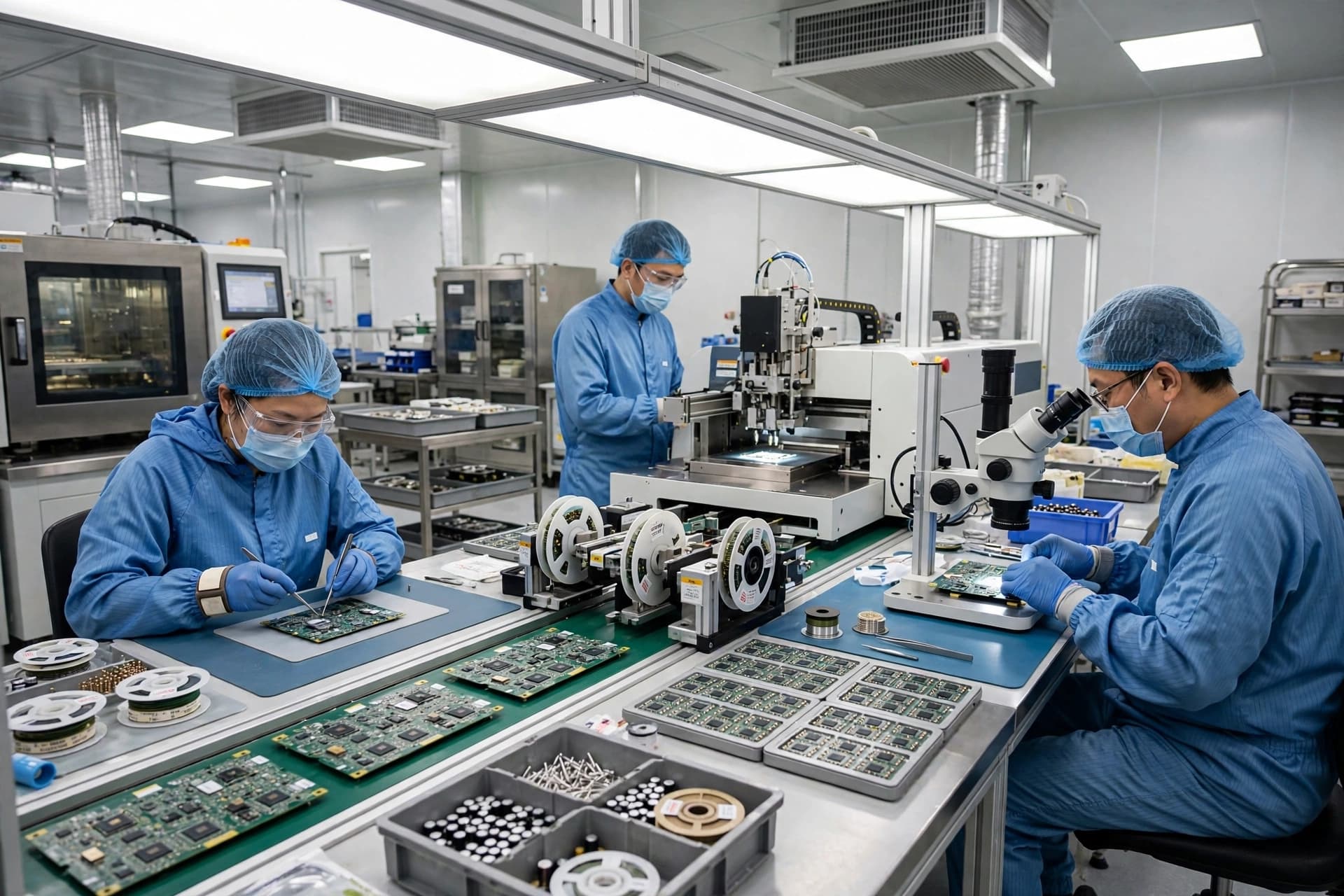
AI Image Disclaimer “Images in this article are AI-generated illustrations, meant for concept only.”
Sources Axios Reuters Reuters Reuters Reuters (Sustainability overview)
Published by Banx Network. This article is part of the Banx decentralized media programme, powered by the BXE token on the XRP Ledger.