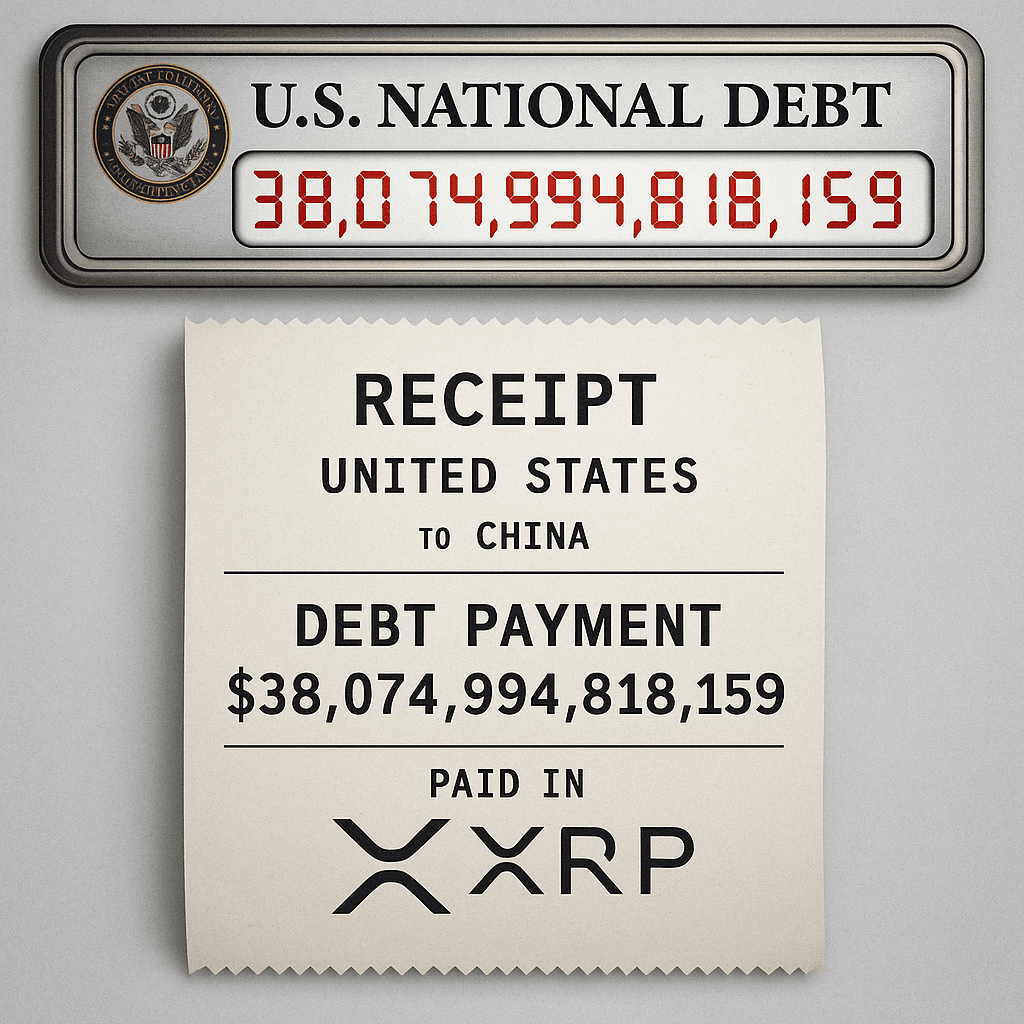
In the rapidly evolving landscape of financial technology, XRP has emerged as a transformative force in the realm of cross-border payments. As the digital currency associated with Ripple Labs, XRP is redefining how international transactions are conducted, offering a blend of speed, efficiency, and cost-effectiveness that traditional banking systems struggle to match. This innovation is not only reshaping the financial services sector but also promises to significantly enhance global commerce and economic connectivity.
At the heart of XRP's appeal is its capacity to facilitate near-instantaneous currency transfers across international borders. Traditional global payment systems often involve a convoluted network of correspondent banks, leading to delays, high fees, and a lack of transparency. In contrast, XRP leverages blockchain technology to streamline this process. Transactions are typically settled within seconds, a stark improvement over the several days it can take using conventional methods. This rapid transaction speed is vital for businesses and individuals who rely on timely payments to maintain cash flow and operational efficiency.
One of the most significant advantages of using XRP for cross-border payments is its cost-effectiveness. Conventional banking systems are notorious for the high fees associated with international transactions, often comprising currency conversion fees, intermediary bank charges, and administrative costs. XRP minimizes these expenses by reducing the need for intermediaries and offering a low transaction cost structure. This makes it an attractive option for small and medium enterprises (SMEs) and remittance service providers, which are particularly sensitive to transaction fees.
Beyond the technological and economic benefits, XRP also addresses a critical issue in global finance: financial inclusion. By lowering the barriers to participating in international commerce, XRP opens new opportunities for unbanked and underbanked populations around the world. This democratization of access is not only a potential catalyst for economic growth in developing regions but also aligns with broader global efforts to reduce financial inequality.
Critics of XRP and other cryptocurrencies often cite regulatory uncertainties and volatility as barriers to widespread adoption. However, Ripple Labs has made significant strides in addressing these concerns. The company has engaged with regulators worldwide to ensure compliance and foster a dialogue on the evolving role of digital currencies in the financial ecosystem. Additionally, Ripple's partnerships with major financial institutions and payment providers lend credibility and stability to XRP as a viable option for cross-border payments.
The impact of XRP's revolution in cross-border payments extends beyond just the financial industry. By providing a more efficient and accessible payment infrastructure, XRP has the potential to enhance global trade, support economic development, and facilitate international cooperation. As businesses and consumers increasingly demand faster and more economical payment solutions, the role of XRP is poised to expand further.
In conclusion, XRP is at the forefront of a significant transformation in how cross-border transactions are conducted. By combining speed, cost-efficiency, and accessibility, XRP is addressing long-standing inefficiencies in the global payment system. While challenges remain, particularly in terms of regulatory acceptance and market volatility, the progress made by Ripple Labs and the growing adoption of XRP suggest a promising future for this digital currency. As the world becomes more interconnected, the innovations brought forth by XRP are likely to play an essential role in shaping the future of global finance and commerce.
Published by Banx Network. This article is part of the Banx decentralized media programme, powered by the BXE token on the XRP Ledger.