In the vast expanse of space, size has traditionally been synonymous with capability. Large rockets carry massive observatories and complex probes, representing the pinnacle of engineering ambition. Yet, a quiet revolution is underway, led by satellites no bigger than a shoebox. France’s space agency, CNES, has been at the forefront of this movement, developing nanosatellites that promise to democratize access to space and accelerate scientific discovery. These tiny devices are proving that big ideas can come in small packages.
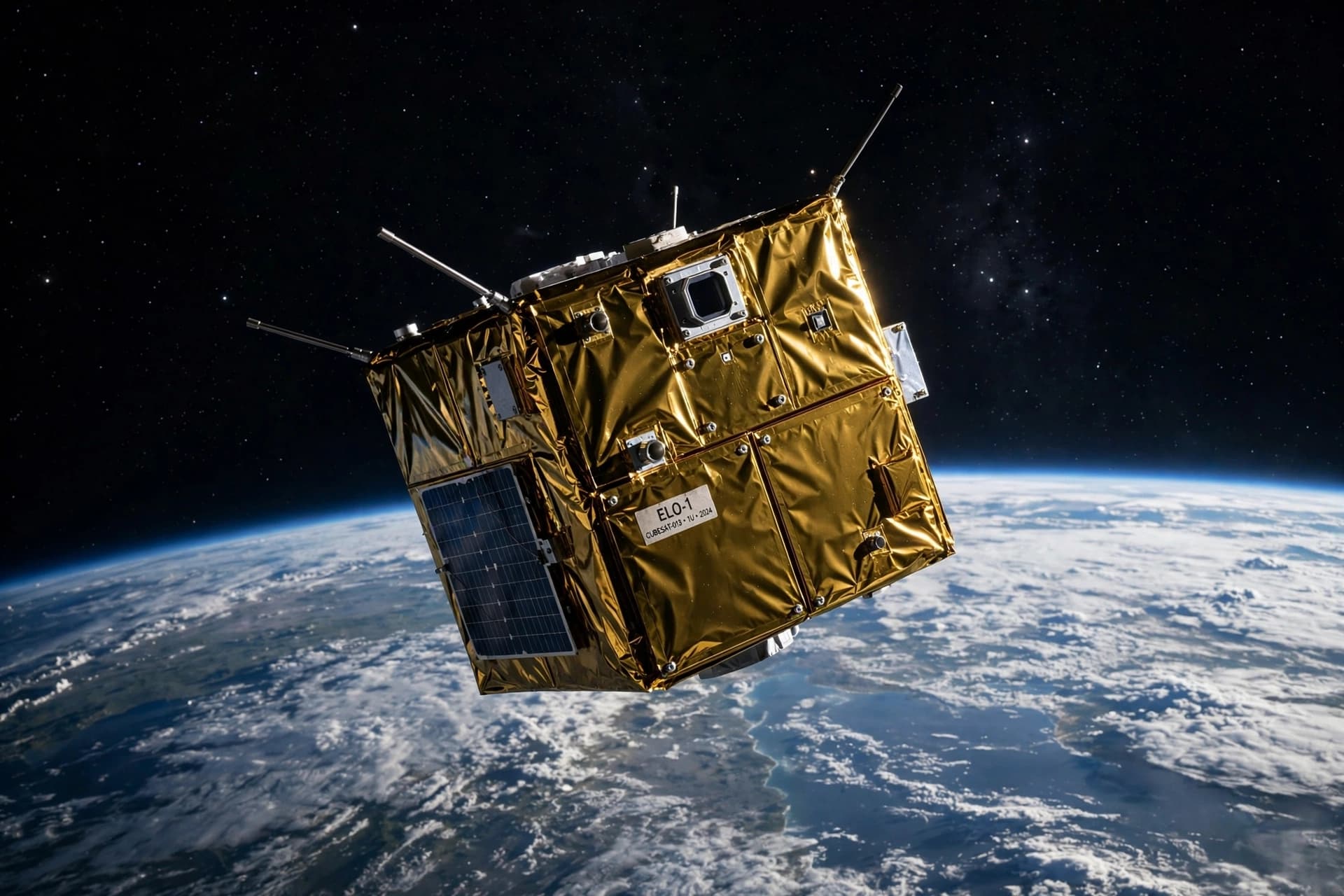
One such example is the NƐSS nanosatellite, a 3U CubeSat weighing just 4.9 kilograms. Launched into low Earth orbit, NƐSS serves as a demonstrator for miniaturized technologies capable of detecting and locating radio interference on Earth. Its mission is not just to gather data but to validate new concepts for agile, cost-effective space operations. By using commercial off-the-shelf components and innovative design, CNES is reducing the cost and time required to build and launch satellites.
The impact of these small satellites extends beyond technical demonstration. They allow for rapid iteration and testing of new instruments, fostering a culture of experimentation in space research. Universities and startups can participate more easily, bringing fresh perspectives and diverse talents to the field. This inclusivity is driving innovation, as smaller teams can afford to take risks that larger agencies might avoid. It is a shift from monolithic projects to a constellation of collaborative efforts.
For Earth observation, nanosatellites offer the ability to monitor changes with high frequency. While large satellites may pass over a location only occasionally, swarms of small satellites can provide daily or even hourly updates. This capability is crucial for tracking climate change, managing disasters, and monitoring agriculture. The data collected is timely and actionable, helping policymakers and scientists respond quickly to emerging issues.
The success of French nanosatellites like ANGELS and EyeSat has paved the way for a new product line in the European space industry. These missions have demonstrated that small platforms can perform complex scientific tasks, from studying zodiacal light to measuring magnetic fields. They are proving that size does not limit scientific value, but rather enhances flexibility and accessibility. The future of space research may well be defined by these modular, scalable systems.
Challenges remain, particularly in terms of durability and data transmission. Small satellites have limited power and bandwidth, requiring efficient designs and smart algorithms. However, advancements in battery technology and communication protocols are addressing these limitations. As the technology matures, the capabilities of nanosatellites will continue to expand, opening new frontiers for exploration and application.
Internationally, France’s leadership in this area is inspiring other nations to invest in small satellite programs. Collaboration is key, as shared standards and open data policies can maximize the benefits of these missions. The global space community is recognizing that small satellites are not just supplements to large missions but essential tools in their own right. They represent a new paradigm for how we explore and understand our world.
In the end, the tiny French satellite is more than a technological achievement; it is a symbol of change. It shows that space research is becoming more accessible, agile, and inclusive. By embracing small solutions, we can tackle big questions with greater speed and creativity. The future of space is not just about going bigger, but about thinking smarter.
AI Image Disclaimer: The images accompanying this article are AI-generated artistic interpretations of nanosatellites and space technology, not actual photographs of the NƐSS or ANGELS satellites.
Sources: CNES (French Space Agency) ESA EO Portal
Published by Banx Network. This article is part of the Banx decentralized media programme, powered by the BXE token on the XRP Ledger.