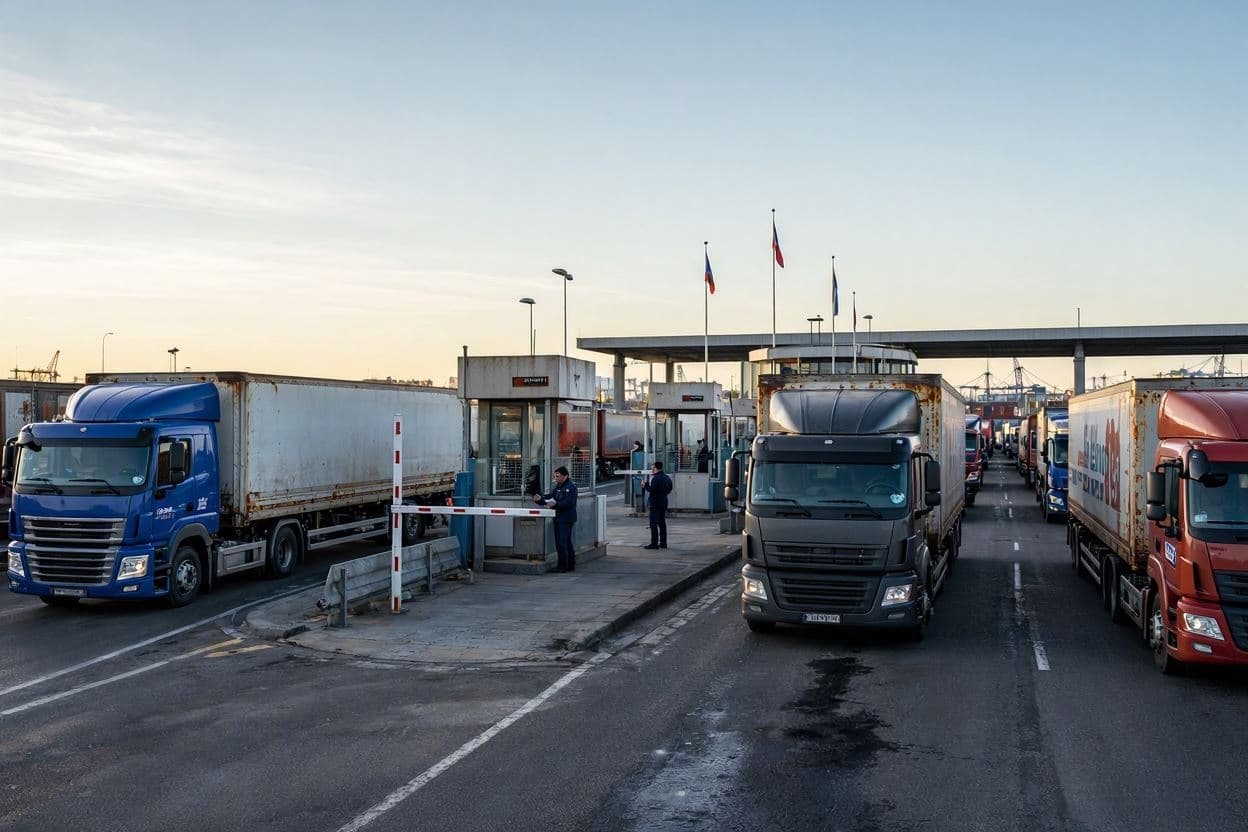
In the complex dance of international trade, where political rhetoric meets economic reality, the recent imposition of tariffs between the United States and Canada has created ripples of uncertainty. For Republican leaders, particularly those in states with strong ties to their northern neighbor, the challenge is no longer just about ideological positioning but about addressing the tangible impacts on local economies. As the costs begin to mount, the search for a coherent and compelling message becomes paramount, reflecting the delicate balance between national policy and regional welfare.
The tariffs, part of a broader trade dispute, have affected industries ranging from agriculture to manufacturing. In states like Michigan, Ohio, and Wisconsin, where cross-border commerce is vital, businesses are feeling the pinch. Farmers, in particular, face higher costs for equipment and reduced access to markets, leading to growing concern among constituents. This economic pressure has forced Republican politicians to reconsider their stance, moving from unwavering support of protectionist policies to a more nuanced approach that acknowledges the pain points.
The internal debate within the party highlights a divide between those who prioritize strict adherence to trade aggression as a negotiating tool and those who advocate for pragmatic solutions to mitigate harm. Senators and representatives from affected districts are increasingly vocal, urging for exemptions or negotiations that protect their local interests. This shift suggests that political loyalty is being tested by economic necessity, creating a dynamic environment where messaging must evolve rapidly.
Public opinion plays a crucial role in this recalibration. Voters who previously supported tough trade measures are now questioning their effectiveness as prices rise and jobs feel threatened. Polls indicate a growing skepticism, prompting party strategists to refine their communication. The goal is to frame the tariffs not as a failure but as a necessary step toward long-term fairness, while simultaneously offering relief to those currently suffering. It is a difficult narrative to sustain, requiring both empathy and strategic foresight.
Media coverage has amplified these tensions, with stories of struggling businesses and angry farmers dominating the news cycle. This visibility puts pressure on elected officials to deliver results, not just rhetoric. The Republican response has thus become a mix of defending the broader policy while seeking specific fixes for immediate problems. This dual track allows them to maintain their base while appealing to swing voters who are sensitive to economic stability.
The situation also underscores the interconnectedness of the North American economy. Disruptions in one area quickly spread to others, affecting supply chains and consumer prices. Recognizing this, some Republicans are calling for a return to more collaborative trade frameworks, such as the USMCA, rather than unilateral actions. This perspective gains traction as the initial enthusiasm for trade wars wanes in the face of real-world consequences.
As the midterm elections approach, the issue of tariffs will likely remain a focal point. Candidates will need to articulate a clear vision that balances national strength with local prosperity. The ability to do so effectively could determine the outcome in key battleground states. It is a test of political agility, requiring leaders to listen, adapt, and communicate with clarity and compassion.
The Republican search for a winning message amidst the tariff fallout is a reflection of the complex realities of modern governance. It highlights the tension between ideology and practicality, and the need for policies that serve both the nation and its communities. As the dialogue continues, the hope is that a balanced approach will emerge, one that fosters trade relationships while protecting domestic interests.
AI Image Disclaimer: Images included in this piece are AI-generated artistic renditions created for illustrative purposes and do not depict actual political figures or trade negotiations.
Sources: Fortune The Walrus Congressional Research Service Politico
Published by Banx Network. This article is part of the Banx decentralized media programme, powered by the BXE token on the XRP Ledger.

.jpg&w=3840&q=75 "New Wild Cat Species Identified for First Time in 100 Years, Researchers Say")