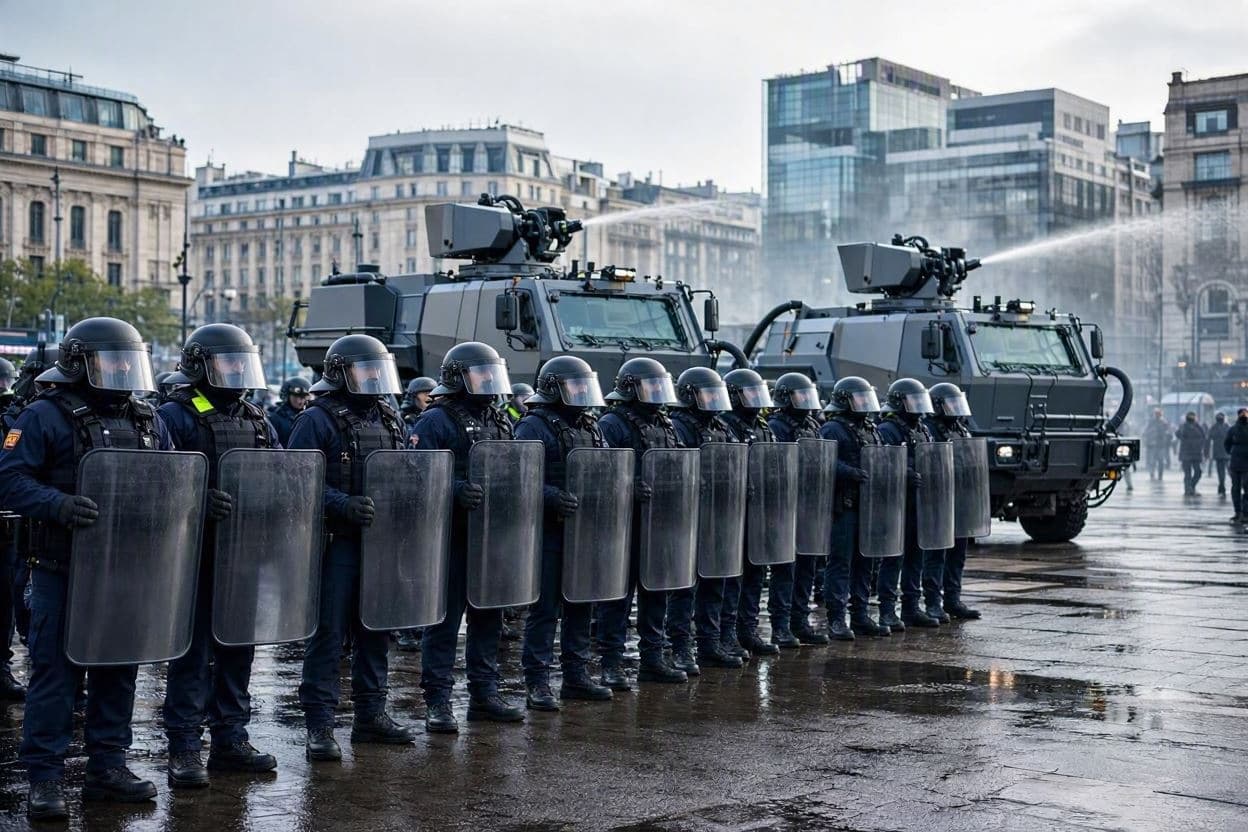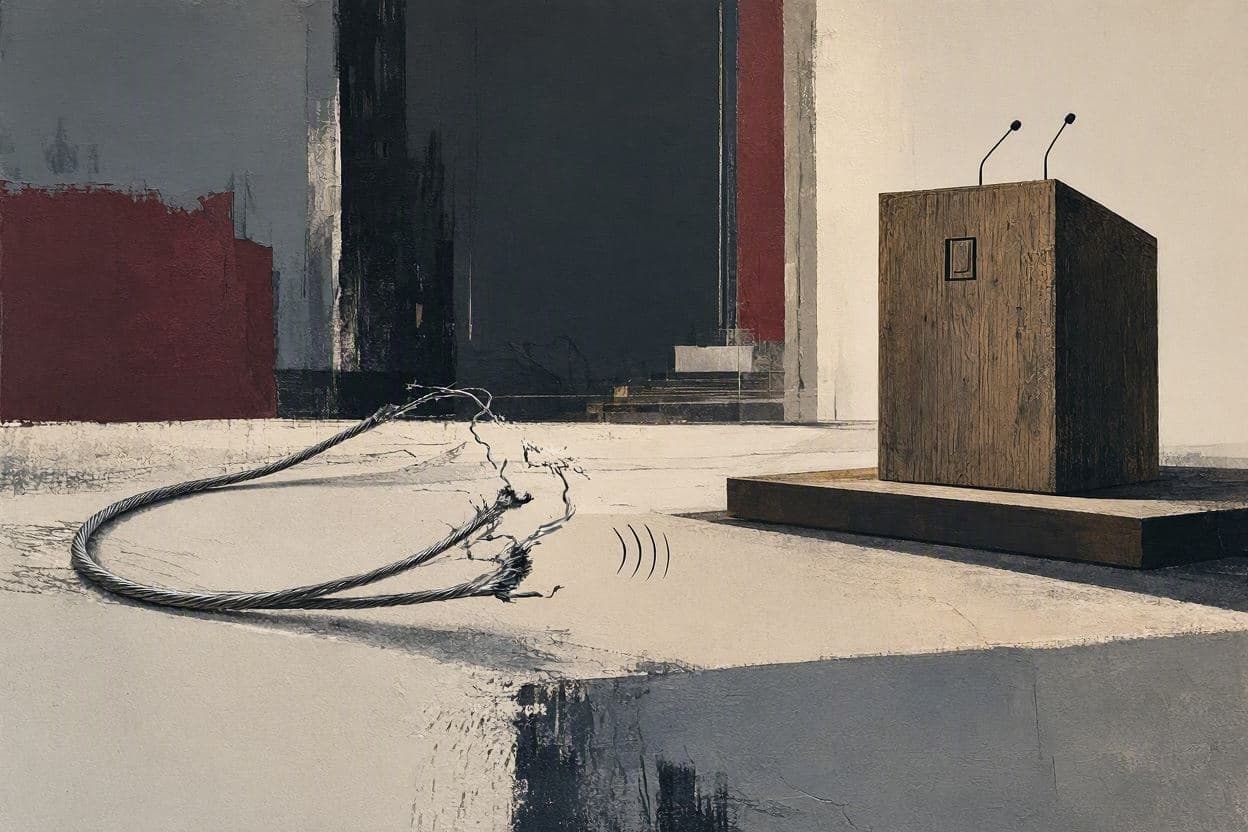
The John F. Kennedy Center for the Performing Arts, a beacon of culture in Washington, D.C., has found itself at the center of a contentious political storm. Recent developments suggest that the institution is facing severe financial strain, with reports of a projected 23 million deficit and a temporary closure for renovations. Critics argue that President Trump’s insistence on adding his name to the building, coupled with withheld federal funding, has destabilized the Center. It is a story of how political ego can intersect with public service, with lasting consequences for the arts.
The controversy began when President Trump sought to rename the Center, a move that faced legal and public resistance. When courts blocked the change, tensions escalated. The administration’s leverage over federal appropriations, including 256 million allocated by Congress for maintenance, became a point of contention. Allegations emerged that these funds were being held hostage to compel compliance with the naming demand. This tactic, while politically potent, undermined the Center’s financial stability and operational continuity.
Donors, sensitive to the political drama, began to withdraw support. Pledges dropped significantly, reflecting a broader discomfort with the politicization of a cultural institution. The loss of private philanthropy, combined with the uncertainty of federal funding, created a perfect storm. Ticket sales also declined, as audiences hesitated to associate themselves with the controversy. The Center, once a symbol of national unity through art, became a focal point of division.
The board’s decision to close the facility for two years of renovations was presented as a necessary step for structural repairs. However, internal documents suggest that the closure also served as a response to the financial crisis. By halting operations, the Center could reduce costs and reassess its future. For artists and staff, the shutdown was devastating, leaving them without income and a platform for expression. It was a pause that felt more like a silence imposed from above.
Public reaction has been one of outrage and sadness. Many view the Kennedy Center as a sacred space, dedicated to the legacy of a president who championed the arts. To see it embroiled in a branding dispute feels like a betrayal of that legacy. Advocacy groups have called for the restoration of federal funding and the removal of political conditions. They argue that art should remain independent, free from partisan manipulation.
Legal experts note that withholding congressionally approved funds may violate statutory obligations. Investigations are underway to determine the legality of the administration’s actions. Meanwhile, the Center’s leadership faces the daunting task of rebuilding trust. They must reassure donors, artists, and the public that the institution’s mission remains intact. It is a challenge that requires transparency, accountability, and a renewed commitment to artistic excellence.
The broader implication is a warning about the fragility of cultural institutions in a polarized political climate. When politics intrudes upon art, the result is often damage to both. The Kennedy Center’s struggle highlights the need for safeguards that protect non-profit organizations from political coercion. Stronger governance structures and diversified funding sources can help mitigate such risks in the future.
In the end, the crisis at the Kennedy Center is a cautionary tale. It shows how personal ambition can disrupt public good, leaving a legacy of debt and discord. As the building sits empty, the hope is for a revival that restores its dignity and purpose. The arts endure, but they require protection from those who would use them for political gain. The journey back to stability will be long, but necessary for the soul of the nation’s capital.
AI Image Disclaimer: The visual aids included here are AI-generated illustrations depicting the Kennedy Center exterior and themes of political conflict, not actual photographs of the closure notices or specific board meetings.
Sources: PBS NewsHour The Daily Record People Magazine
Published by Banx Network. This article is part of the Banx decentralized media programme, powered by the BXE token on the XRP Ledger.