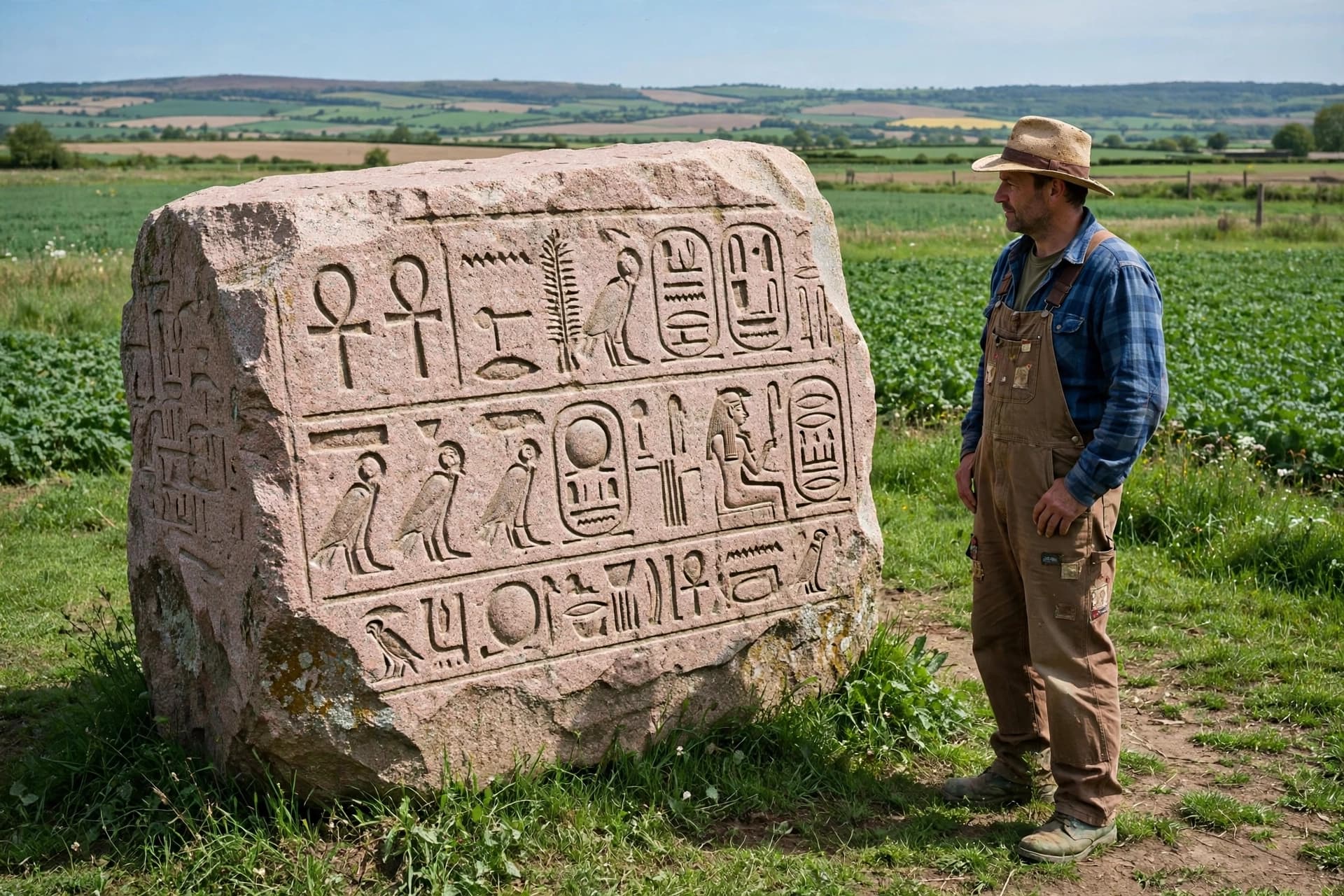
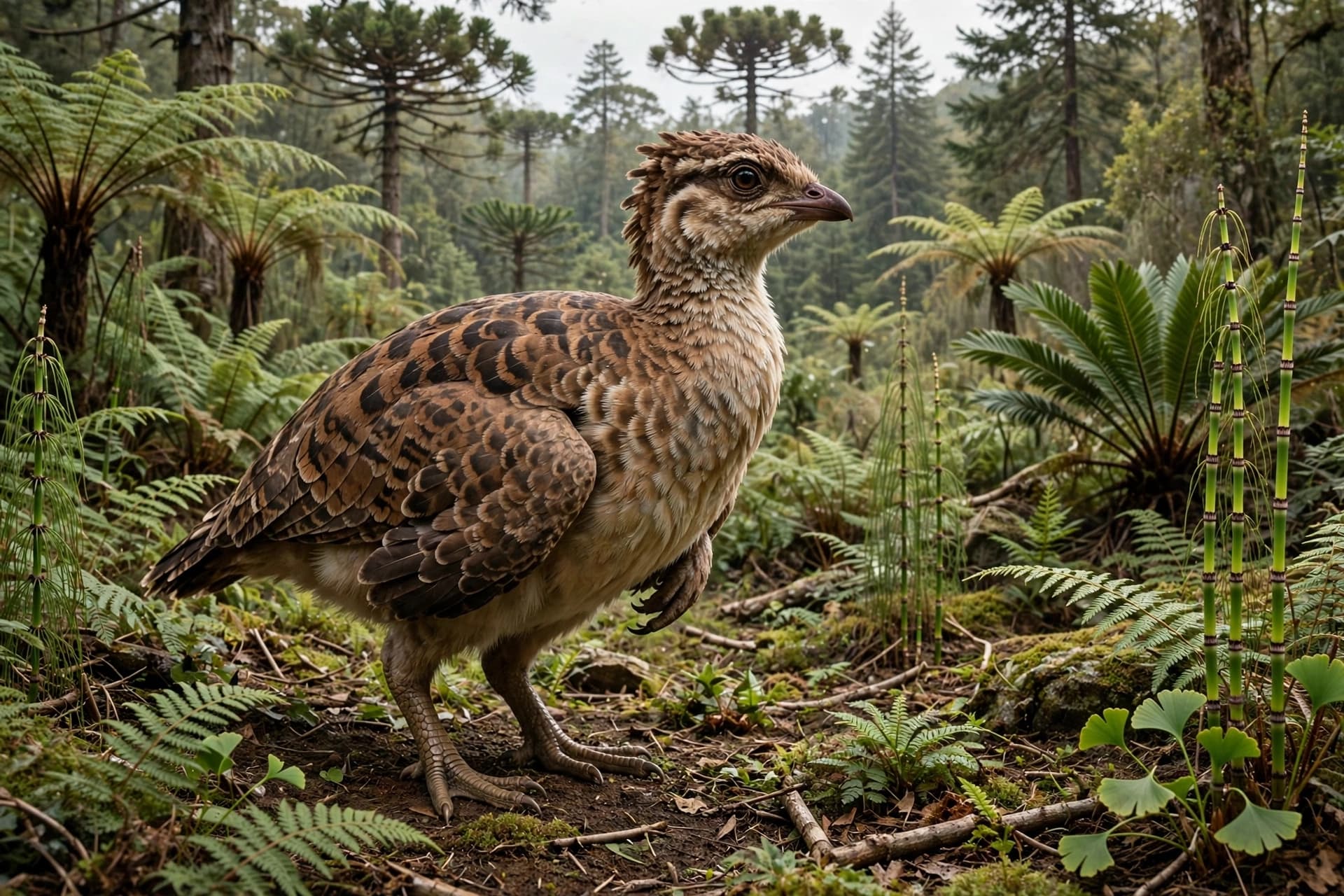
Time, in its quiet persistence, often leaves behind fragments—traces of life that once flourished and then faded. Yet occasionally, it offers something far stranger: a survivor. A living echo of a world long gone.
Scientists are now grappling with one such mystery—a so-called “living fossil” whose lineage stretches back approximately 275 million years. This organism, both familiar and alien in its structure, challenges the boundaries between past and present.
The term “living fossil” is often used sparingly, reserved for species that appear to have changed little over immense spans of time. But in this case, the label feels almost insufficient. The organism seems to carry within it a blueprint from an era predating dinosaurs, preserved with remarkable fidelity.
Researchers have been studying its anatomy, genetics, and ecological role, attempting to understand how it has endured through mass extinctions, shifting climates, and evolving ecosystems. Each discovery raises as many questions as it answers.
One possibility is that its environment remained relatively stable, allowing it to persist without the pressures that drive rapid evolution. Another suggests that its biological design is so efficient that significant change was simply unnecessary.
There is also the question of perception. What appears unchanged may, at a deeper level, conceal subtle adaptations—small shifts that accumulate over time without altering outward form. Evolution, after all, is not always visible.
The discovery has broader implications for how scientists understand resilience in nature. It suggests that survival is not always about transformation; sometimes, it is about endurance. About finding a balance that withstands the test of time.
There is something almost poetic in this idea. While much of life evolves in response to change, this organism seems to have found a way to remain, quietly persisting as the world transformed around it.
Yet, the mystery remains unresolved. Why this species? Why this lineage? What conditions allowed it to bridge such an immense span of history?
As research continues, scientists hope to uncover more clues hidden within its biology. Each detail brings them closer to understanding not just this organism, but the broader story of life on Earth.
In the end, the “living fossil” is not just a curiosity. It is a reminder that the past is never entirely gone. Sometimes, it lingers—breathing, adapting, and quietly defying the passage of time.
AI Image Disclaimer Illustrations were produced with AI and serve as conceptual depictions.
Source Check Nature National Geographic Science Magazine Smithsonian Magazine BBC Earth
Published by Banx Network. This article is part of the Banx decentralized media programme, powered by the BXE token on the XRP Ledger.