In the long conversation between East and West, business sometimes speaks most clearly through quiet gestures rather than loud declarations. A share acquired here, a stake strengthened there, and suddenly the balance of influence shifts—not abruptly, but with the steady confidence of intention. In the global sportswear industry, where logos travel faster than borders, such movements often signal stories still unfolding.
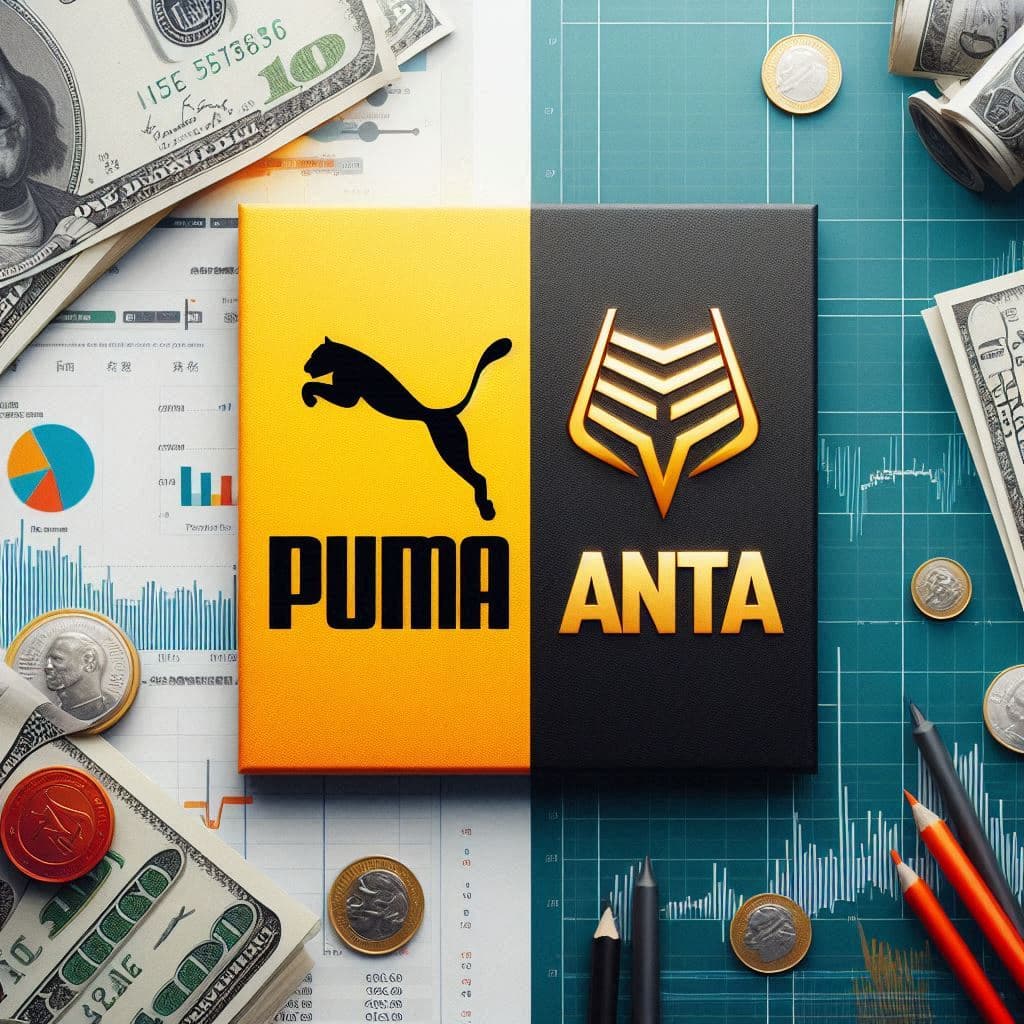
Anta Sports has taken a notable step by becoming the largest shareholder in Puma, investing approximately $1.8 billion to secure the position. The move does not arrive as a dramatic takeover, but as a calculated alignment between two established players navigating a competitive and evolving market. Anta, already a dominant force in China and an experienced steward of international brands, appears to be widening its lens rather than redrawing the map.
The investment places Anta ahead of previous major shareholders while stopping short of operational control. Puma remains an independent company, continuing its strategy under existing leadership. Yet the presence of Anta at the top of the shareholder list introduces a new layer of perspective, one shaped by Asia’s fast-growing consumer base and Anta’s track record with global brand partnerships.
For Puma, the development comes at a moment when sportswear brands are reassessing supply chains, regional demand, and long-term growth. Having a financially strong and strategically patient shareholder may offer stability rather than disruption. For Anta, the stake represents confidence in Puma’s global positioning and a belief that influence does not always require ownership of the steering wheel.
The broader context matters. Chinese companies have become more selective in overseas investments, favoring strategic stakes over aggressive expansion. Anta’s approach reflects this restraint, suggesting a preference for collaboration, observation, and long-term value rather than immediate transformation.
Market reactions have remained measured, mirroring the tone of the deal itself. Analysts largely view the move as financially grounded, while noting that any deeper cooperation between the two companies would likely unfold gradually.
In straight terms, Anta is now Puma’s largest shareholder following a $1.8 billion investment, while both companies continue to operate independently, leaving future strategic outcomes open and deliberately undefined.
AI Image Disclaimer Illustrations were produced with AI and serve as conceptual depictions.
Sources Reuters Bloomberg Financial Times Nikkei Asia The Wall Street Journal
Published by Banx Network. This article is part of the Banx decentralized media programme, powered by the BXE token on the XRP Ledger.