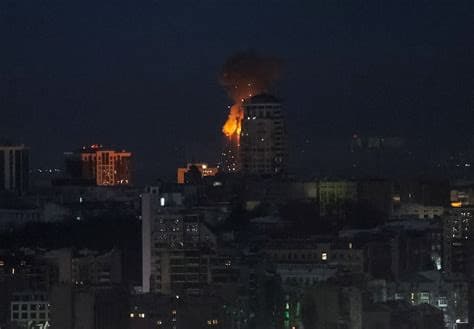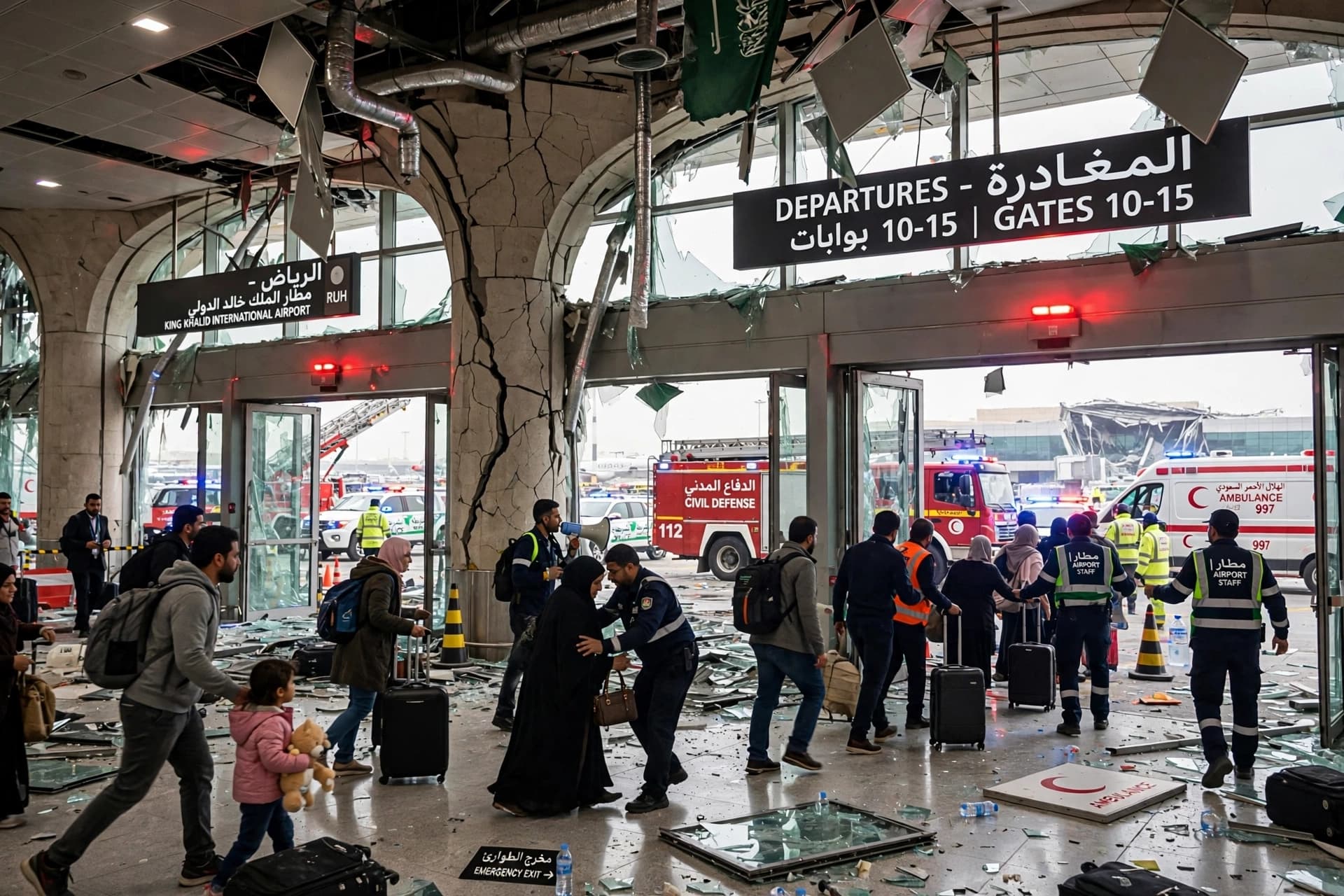
There is a particular escalation that occurs when attacks become routine—when the first day is shocking, the second is concerning, and the third is a pattern that signals a new phase of conflict. In Saudi Arabia, that pattern has now emerged. For the third consecutive day, Iran-backed Houthi rebels have targeted Saudi airports, launching drones and missiles at civilian aviation infrastructure. The attacks have disrupted flights, damaged facilities, and prompted warnings from the Houthis that the conflict will be long and costly.
The targets have included airports in southern Saudi Arabia, near the border with Yemen, as well as facilities deeper inside the kingdom. Abha International Airport, a key hub in the Asir region, has been struck multiple times. The Saudi-led coalition has intercepted some of the projectiles, but others have reached their targets, causing damage and injuries. The Houthis have claimed responsibility for the attacks, describing them as retaliation for Saudi airstrikes on Yemen and as a warning that the war will not end until Saudi Arabia ceases its military campaign.
The Houthis' warning of a long conflict is significant. The group has demonstrated an ability to sustain attacks over years, using increasingly sophisticated drones and missiles. Their arsenal, supplied by Iran, has been used to target Saudi oil facilities, airports, and infrastructure. The attacks have not changed the strategic balance of the war, but they have imposed costs on Saudi Arabia—economic costs, reputational costs, and the cost of diverting resources to air defense.
The conflict in Yemen has been grinding on for more than a decade. The Houthis seized the capital, Sanaa, in 2014, prompting a Saudi-led coalition to intervene in 2015. The war has killed hundreds of thousands of people, displaced millions, and created one of the world's worst humanitarian crises. Peace efforts have repeatedly failed, and the recent escalation suggests that neither side believes a military victory is imminent or a negotiated settlement is possible.
For Saudi Arabia, the attacks on airports are a particular humiliation. The kingdom has invested heavily in its aviation infrastructure, positioning itself as a hub for tourism and business travel. The Houthis' ability to strike those facilities—even if the damage is limited—undermines that vision and exposes the vulnerability of civilian infrastructure. The coalition has vowed to respond, and Saudi airstrikes on Yemen have intensified. The cycle of attack and retaliation continues, with no end in sight.
AI Image Disclaimer: All images in this article are AI-generated and are intended for illustrative purposes only.
Sources: Al Jazeera, Reuters, Associated Press, Anadolu Ajansı
Published by Banx Network. This article is part of the Banx decentralized media programme, powered by the BXE token on the XRP Ledger.